










.webp)

Follow us on Instagram
More Than an Outdoor Company.

@sawyerproducts
Follow us on Instagram

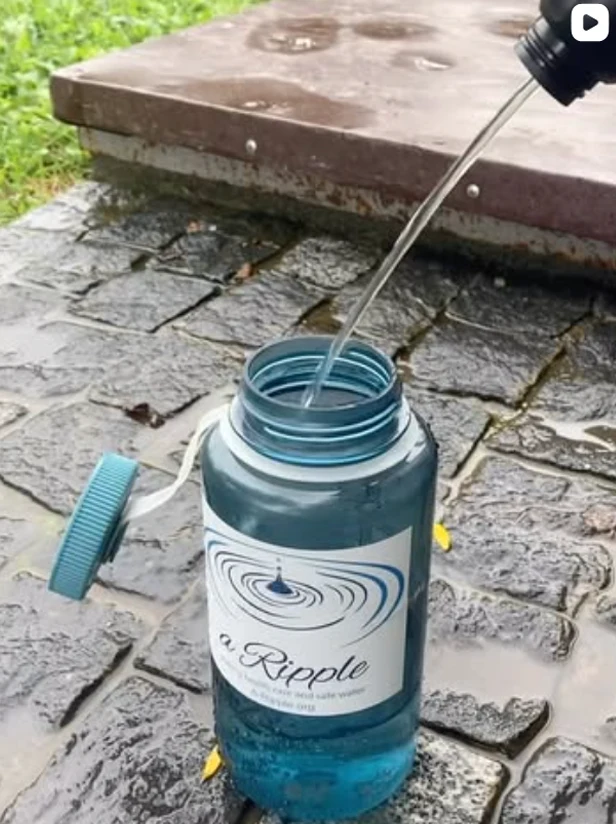









Gear up for the United States' toughest long path with these expert picks.
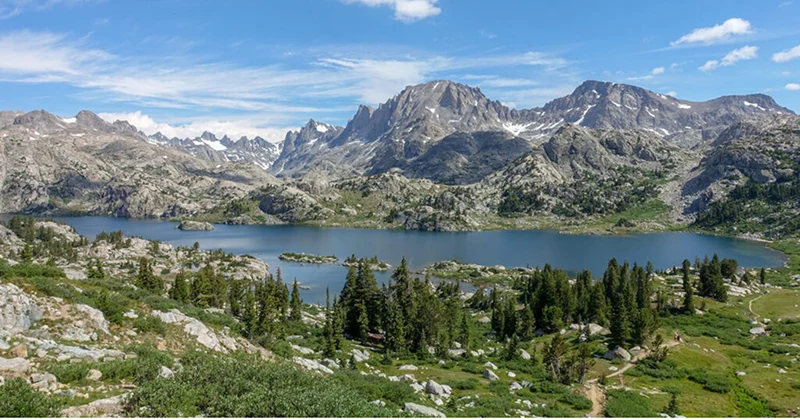
Watch videoOn a path as long, high, and remote as the Continental Divide Trail, there is little room for gear errors. For four to six months of walking, CDT thru-hikers have a laundry list of concerns that outpace those of many other long trails: grizzly bears, lightning storms, avalanche danger, unmarked or non-existent trails, long food and water carries, weeks at altitude, and raging snowmelt-filled river fords. That is one reason that while first-time thru-hikers occasionally make it, most wait to tackle the CDT until they have more experience.
Most hikers find the CDT exhausting on a day-to-day basis. When tired, hungry, and at altitude, hikers often don’t have the patience to put up with gear that may be rubbing oddly or isn’t functioning properly. The solution: get it right the first time.
Compared to the Pacific Crest or Appalachian Trails, many CDT hikers choose slightly heavier-duty gear: their picks have to be strong enough to handle the New Mexico desert and trudge through snow at 14,000 feet in Colorado. Still, hikers try to choose lighter packs to minimize the impact of all that vertical on their back, knees, and joints. Food and water carries on the CDT can be heavy, too, so light gear choices help reduce overall pack weight
Should you need to replace gear, know that brick-and-mortar gear stores are few and far between on the CDT, especially in the crucial first and last 500 miles. Before setting out, CDT hikers should develop a plan to replace gear like shoes along the way, preferably with the help of an at-home support person who can coordinate shipments.
Your gear choices may change depending on whether you attempt to hike the whole CDT in one push, flip flop, or break it up in sections over multiple years. Why? Much of the trail is at 12,000 feet and depending on which week of the summer you travel through that area, you may hit deep snow, rain, bugs, warm temps, or lightning storms.
More than on any other long trail, it’s imperative that you know how to use your gear before you set out. Your best bet is to test it out on a different, easier thru-hike; learn to set up your tent or work your stove without much brain power, and you’ll have a much easier time.
There’s no one best CDT gear system, but these lightweight, simple picks are a good place to start.
Read the full article by Liz 'Snorkel' Thomas on Backpacker Magazine's website here.


On a path as long, high, and remote as the Continental Divide Trail, there is little room for gear errors. For four to six months of walking, CDT thru-hikers have a laundry list of concerns that outpace those of many other long trails: grizzly bears, lightning storms, avalanche danger, unmarked or non-existent trails, long food and water carries, weeks at altitude, and raging snowmelt-filled river fords. That is one reason that while first-time thru-hikers occasionally make it, most wait to tackle the CDT until they have more experience.
Most hikers find the CDT exhausting on a day-to-day basis. When tired, hungry, and at altitude, hikers often don’t have the patience to put up with gear that may be rubbing oddly or isn’t functioning properly. The solution: get it right the first time.
Compared to the Pacific Crest or Appalachian Trails, many CDT hikers choose slightly heavier-duty gear: their picks have to be strong enough to handle the New Mexico desert and trudge through snow at 14,000 feet in Colorado. Still, hikers try to choose lighter packs to minimize the impact of all that vertical on their back, knees, and joints. Food and water carries on the CDT can be heavy, too, so light gear choices help reduce overall pack weight
Should you need to replace gear, know that brick-and-mortar gear stores are few and far between on the CDT, especially in the crucial first and last 500 miles. Before setting out, CDT hikers should develop a plan to replace gear like shoes along the way, preferably with the help of an at-home support person who can coordinate shipments.
Your gear choices may change depending on whether you attempt to hike the whole CDT in one push, flip flop, or break it up in sections over multiple years. Why? Much of the trail is at 12,000 feet and depending on which week of the summer you travel through that area, you may hit deep snow, rain, bugs, warm temps, or lightning storms.
More than on any other long trail, it’s imperative that you know how to use your gear before you set out. Your best bet is to test it out on a different, easier thru-hike; learn to set up your tent or work your stove without much brain power, and you’ll have a much easier time.
There’s no one best CDT gear system, but these lightweight, simple picks are a good place to start.
Read the full article by Liz 'Snorkel' Thomas on Backpacker Magazine's website here.
On a path as long, high, and remote as the Continental Divide Trail, there is little room for gear errors. For four to six months of walking, CDT thru-hikers have a laundry list of concerns that outpace those of many other long trails: grizzly bears, lightning storms, avalanche danger, unmarked or non-existent trails, long food and water carries, weeks at altitude, and raging snowmelt-filled river fords. That is one reason that while first-time thru-hikers occasionally make it, most wait to tackle the CDT until they have more experience.
Most hikers find the CDT exhausting on a day-to-day basis. When tired, hungry, and at altitude, hikers often don’t have the patience to put up with gear that may be rubbing oddly or isn’t functioning properly. The solution: get it right the first time.
Compared to the Pacific Crest or Appalachian Trails, many CDT hikers choose slightly heavier-duty gear: their picks have to be strong enough to handle the New Mexico desert and trudge through snow at 14,000 feet in Colorado. Still, hikers try to choose lighter packs to minimize the impact of all that vertical on their back, knees, and joints. Food and water carries on the CDT can be heavy, too, so light gear choices help reduce overall pack weight
Should you need to replace gear, know that brick-and-mortar gear stores are few and far between on the CDT, especially in the crucial first and last 500 miles. Before setting out, CDT hikers should develop a plan to replace gear like shoes along the way, preferably with the help of an at-home support person who can coordinate shipments.
Your gear choices may change depending on whether you attempt to hike the whole CDT in one push, flip flop, or break it up in sections over multiple years. Why? Much of the trail is at 12,000 feet and depending on which week of the summer you travel through that area, you may hit deep snow, rain, bugs, warm temps, or lightning storms.
More than on any other long trail, it’s imperative that you know how to use your gear before you set out. Your best bet is to test it out on a different, easier thru-hike; learn to set up your tent or work your stove without much brain power, and you’ll have a much easier time.
There’s no one best CDT gear system, but these lightweight, simple picks are a good place to start.
Read the full article by Liz 'Snorkel' Thomas on Backpacker Magazine's website here.
More Than an Outdoor Company.

