







Follow us on Instagram
More Than an Outdoor Company.

@sawyerproducts
Follow us on Instagram
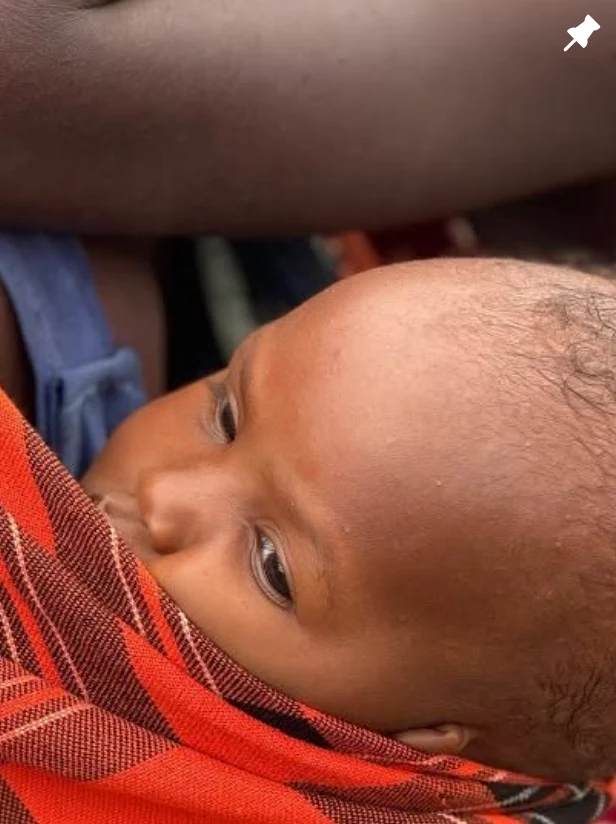
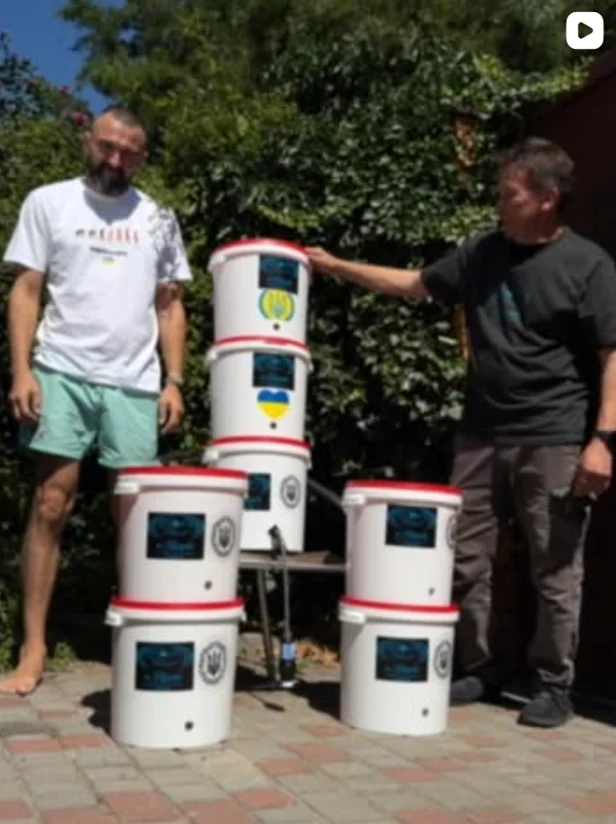
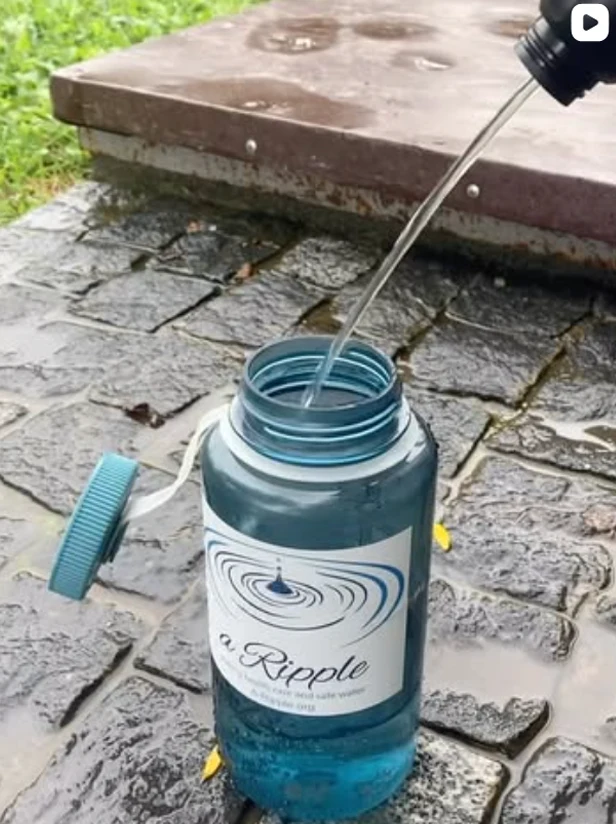

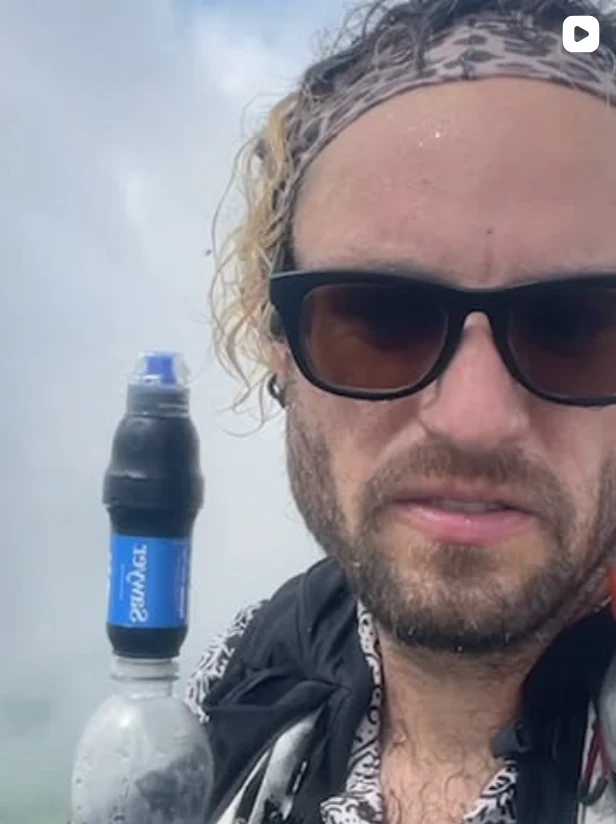
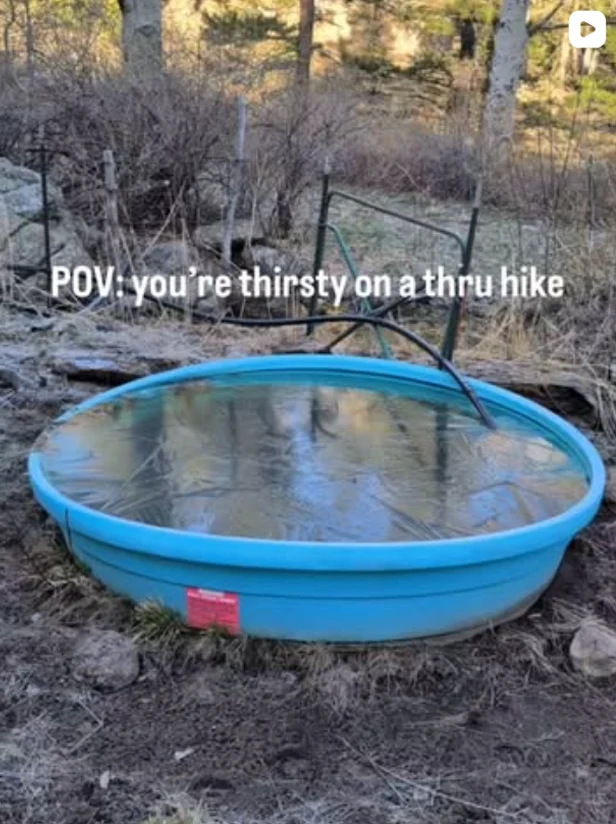



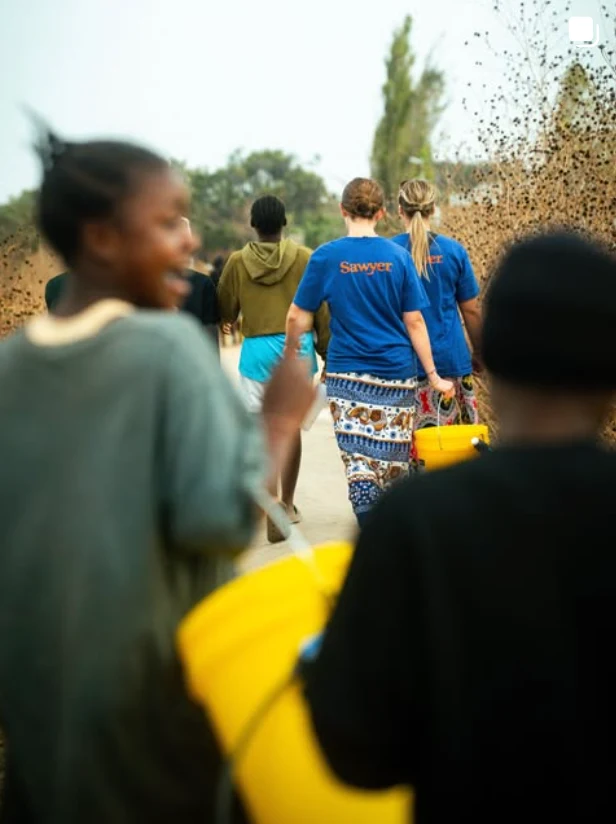
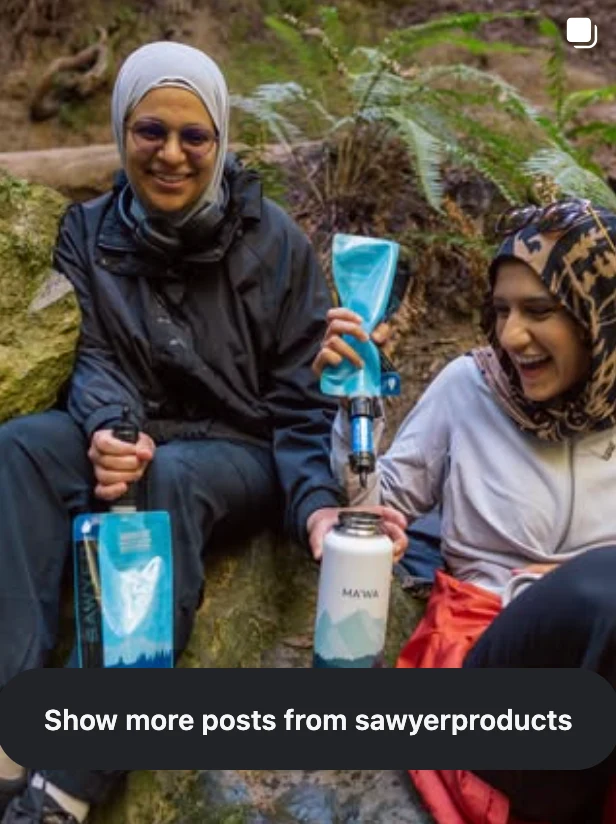

Sawyer Products, through The Sawyer Foundation, is leading efforts to provide sustainable, life-saving solutions to ensure clean water for all.
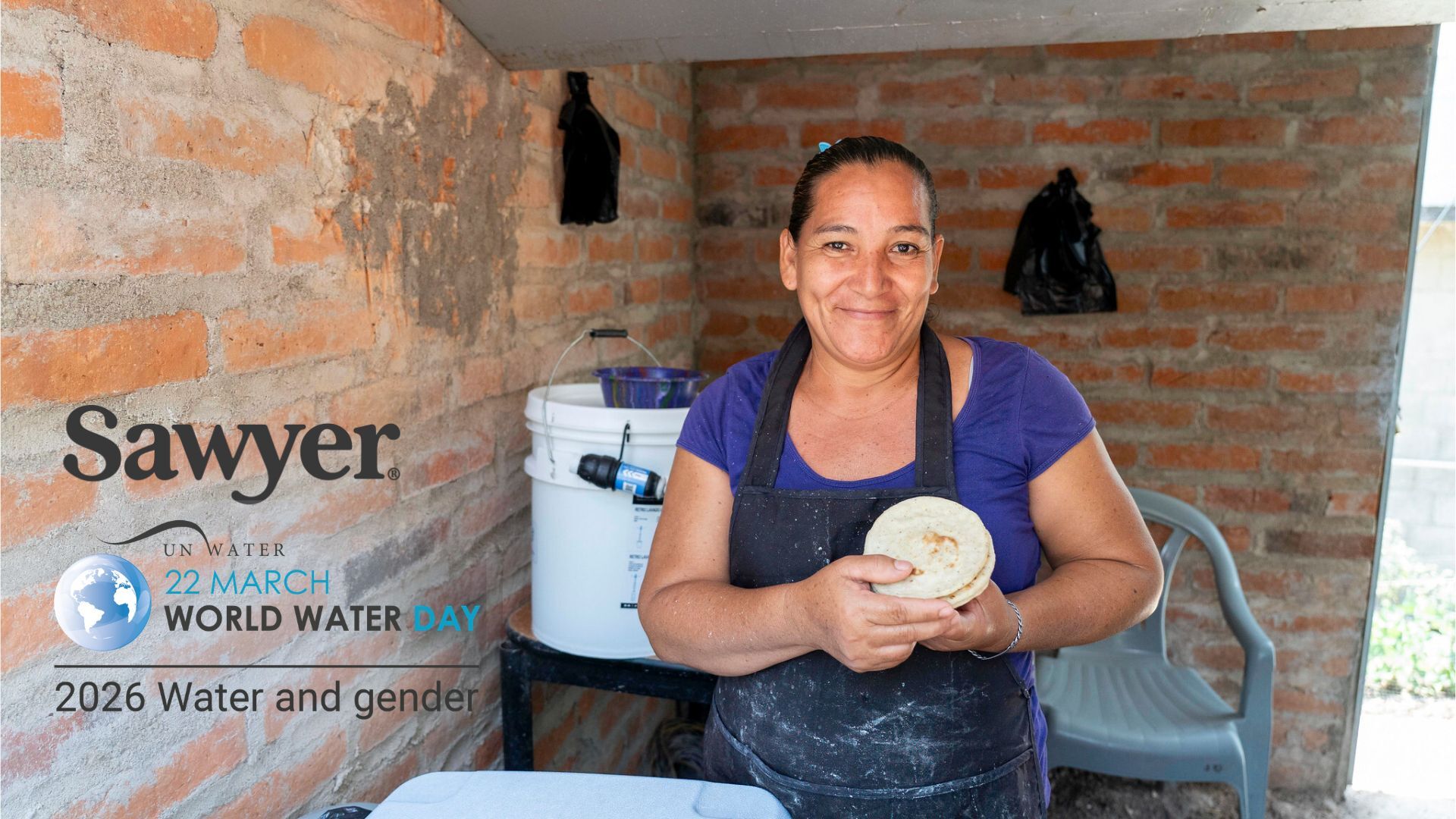
Watch videoAccess to clean water has been recognized as a fundamental human right for 15 years now, yet over 2.2 billion people across the globe still live without safe drinking water readily available. This crisis is not exclusive to undeveloped countries, but it disproportionately affects people in rural areas, slums, and places ravaged by war, climate change, and lack of infrastructure. With World Water Day just around the corner,now is the time for us to reflect on the global water crisis and take steps toward overcoming this stain in human history. Sawyer Products, through The Sawyer Foundation, is leading efforts to provide sustainable, life-saving solutions to ensure clean water for all.
The Global Water Crisis: An Ongoing Challenge
It can be difficult to wrap one’s head around a problem shared by a fourth of the entire planet. According to the United Nations, over 2 billion people lack access to safely managed drinking water. This lack of access often leads to a series of other problems, including exposure to waterborne diseases such as cholera, dysentery, and typhoid, which spread through contaminated water sources. Lack of clean water also disrupts economic development, as entire communities are forced to spend hours collecting water instead of engaging in education, employment, or income-generating activities.
Continue reading to learn more, written by Heather DeSantis Holmes.


Access to clean water has been recognized as a fundamental human right for 15 years now, yet over 2.2 billion people across the globe still live without safe drinking water readily available. This crisis is not exclusive to undeveloped countries, but it disproportionately affects people in rural areas, slums, and places ravaged by war, climate change, and lack of infrastructure. With World Water Day just around the corner,now is the time for us to reflect on the global water crisis and take steps toward overcoming this stain in human history. Sawyer Products, through The Sawyer Foundation, is leading efforts to provide sustainable, life-saving solutions to ensure clean water for all.
The Global Water Crisis: An Ongoing Challenge
It can be difficult to wrap one’s head around a problem shared by a fourth of the entire planet. According to the United Nations, over 2 billion people lack access to safely managed drinking water. This lack of access often leads to a series of other problems, including exposure to waterborne diseases such as cholera, dysentery, and typhoid, which spread through contaminated water sources. Lack of clean water also disrupts economic development, as entire communities are forced to spend hours collecting water instead of engaging in education, employment, or income-generating activities.
Continue reading to learn more, written by Heather DeSantis Holmes.
Access to clean water has been recognized as a fundamental human right for 15 years now, yet over 2.2 billion people across the globe still live without safe drinking water readily available. This crisis is not exclusive to undeveloped countries, but it disproportionately affects people in rural areas, slums, and places ravaged by war, climate change, and lack of infrastructure. With World Water Day just around the corner,now is the time for us to reflect on the global water crisis and take steps toward overcoming this stain in human history. Sawyer Products, through The Sawyer Foundation, is leading efforts to provide sustainable, life-saving solutions to ensure clean water for all.
The Global Water Crisis: An Ongoing Challenge
It can be difficult to wrap one’s head around a problem shared by a fourth of the entire planet. According to the United Nations, over 2 billion people lack access to safely managed drinking water. This lack of access often leads to a series of other problems, including exposure to waterborne diseases such as cholera, dysentery, and typhoid, which spread through contaminated water sources. Lack of clean water also disrupts economic development, as entire communities are forced to spend hours collecting water instead of engaging in education, employment, or income-generating activities.
Continue reading to learn more, written by Heather DeSantis Holmes.
More Than an Outdoor Company.

