









Follow us on Instagram
More Than an Outdoor Company.

@sawyerproducts
Follow us on Instagram
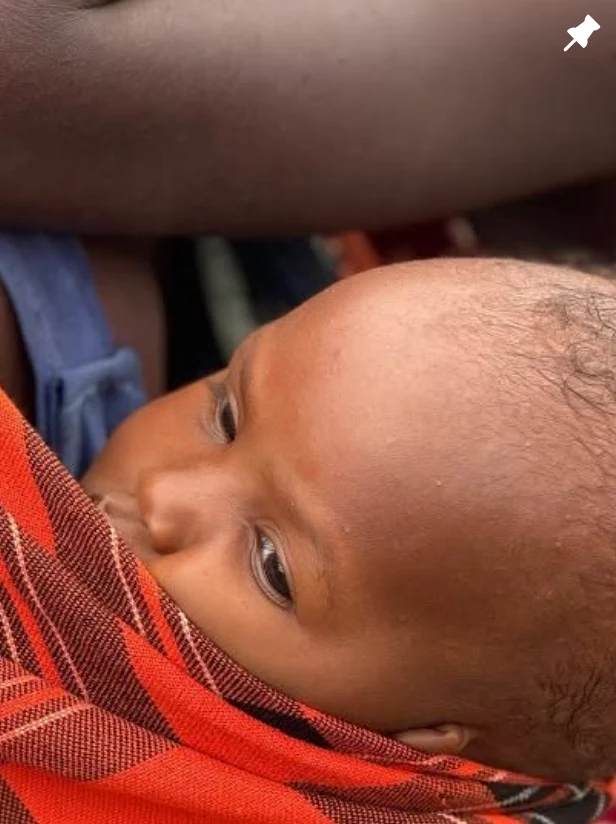
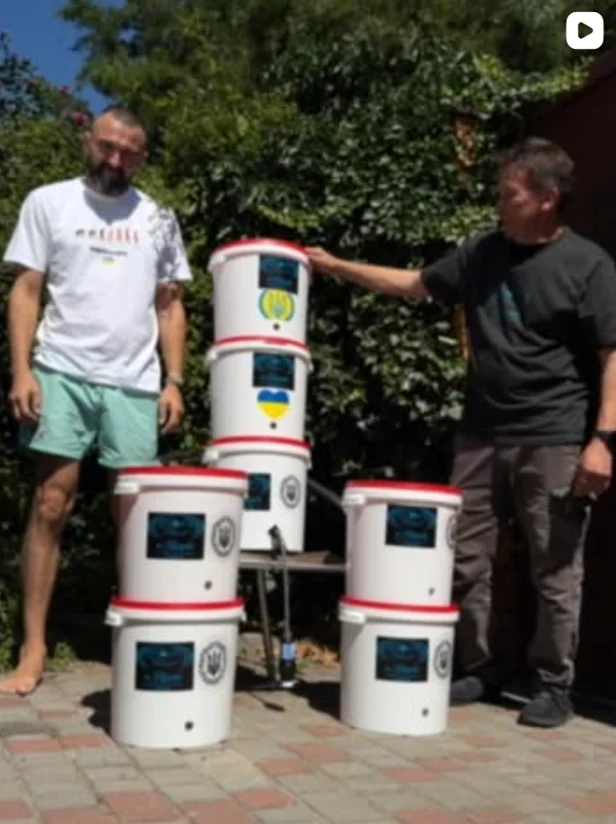
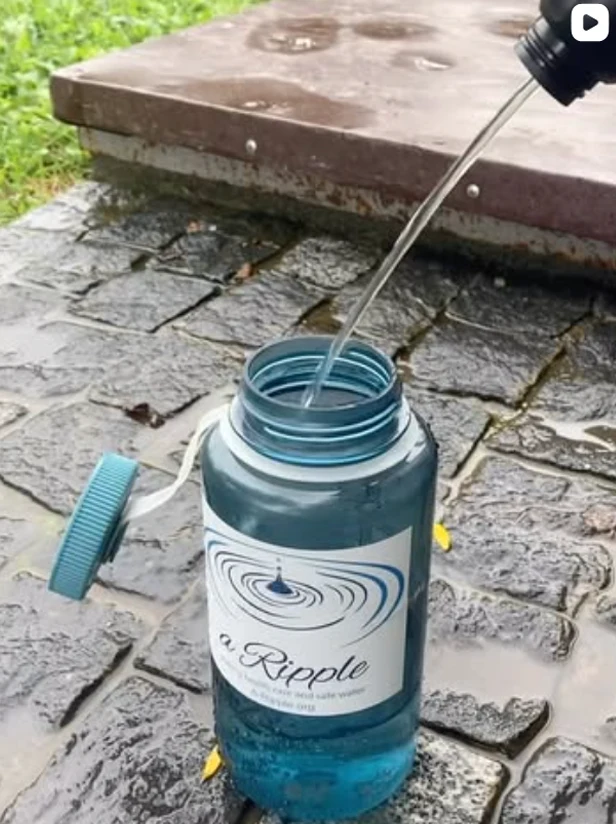

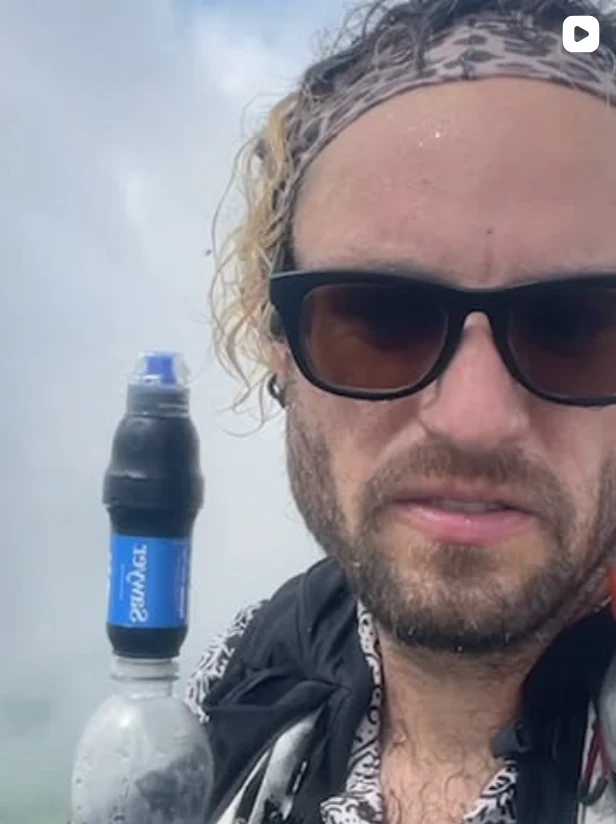


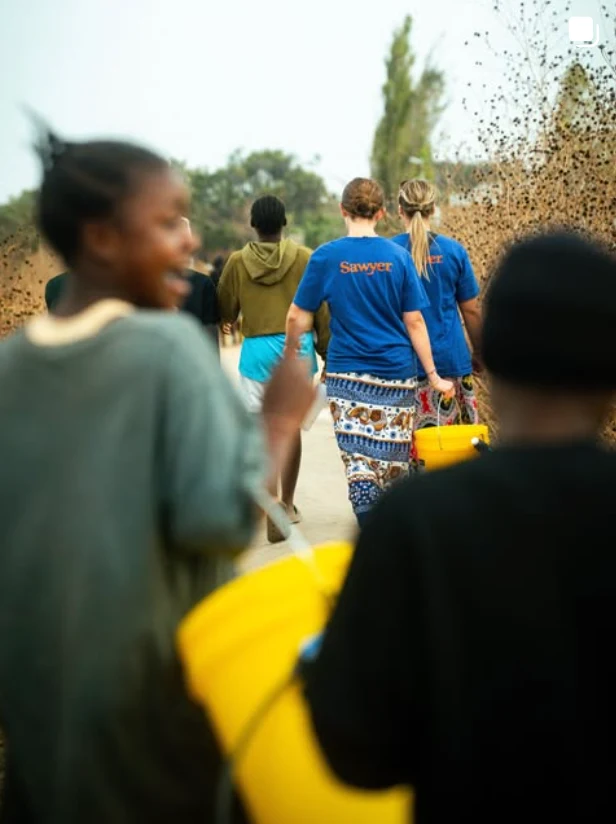
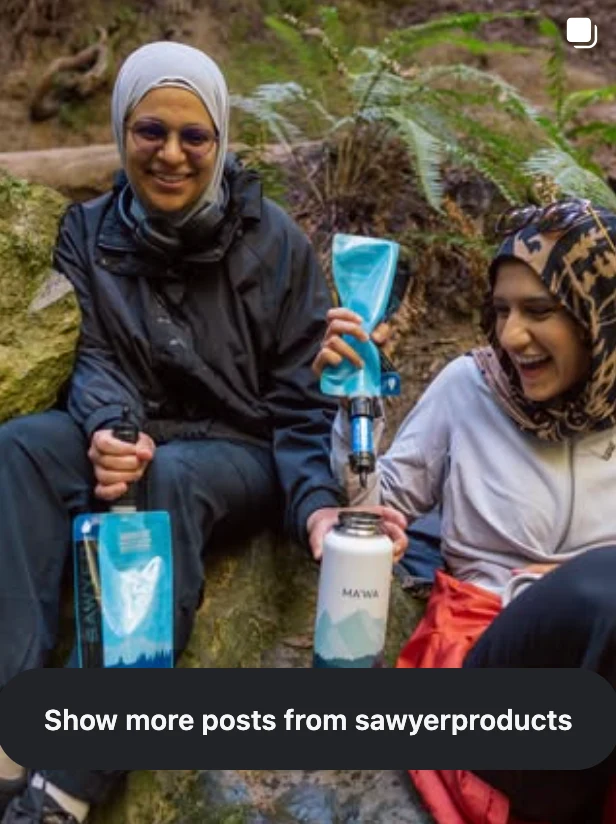

Here at Sawyer, we're celebrating World Water Day by raising awareness and inspiring action to tackle the clean water crisis.
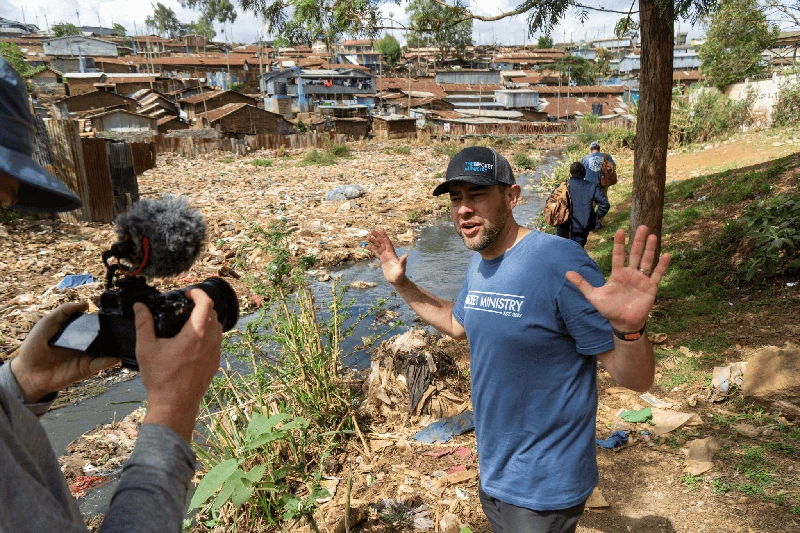
Watch videoEvery year, World Water Day tackles the clean water crisis by raising awareness and inspiring action to tackle the clean water crisis. Over 2.2 billion people worldwide live without access to safely managed drinking water, and in 2015 the United Nations responded with the development and support of Sustainable Development Goal #6: clean water and sanitation.
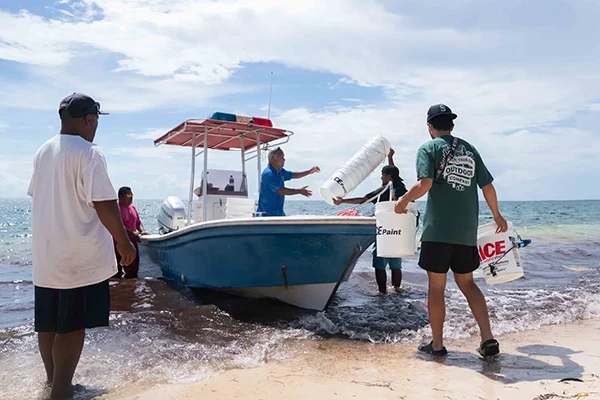
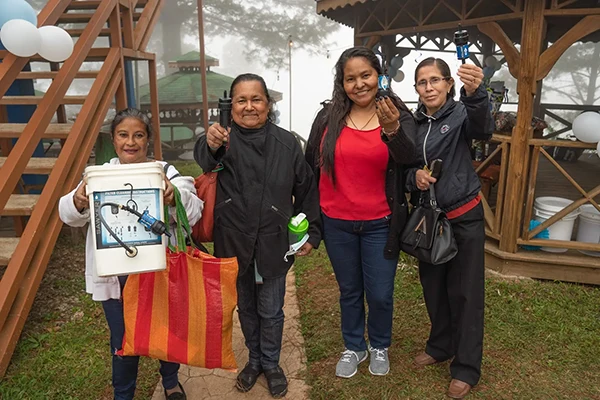
We partner with over 140 charities across 80 countries to combat the clean water crisis at the source through education, empowerment, and sustainably safe drinking water.

As a dominating force for humanity, water often plays a role during conflict. For instance:
1. Water can be a trigger when the interests of different water users, including States and provinces, clash and are perceived as irreconcilable, or when water quantity and/or quality decreases, which may affect human- and ecosystem health.
2. Water can be a weapon during armed conflict as a means to gain or maintain control over territory and populations or as a means to pressurize opponent groups.
3. Water can be a casualty of conflict when water resources, water systems or utility employees are intentional or incidental casualties or targets of violence. Attacks on civilian infrastructure, including water systems, pose serious health risks and violate international humanitarian law.

Peaceful cooperation around water can flow into peaceful cooperation in all sectors. This means that non-discrimination and equality in ensuring access to water and sanitation can have a positive ripple effect across society.

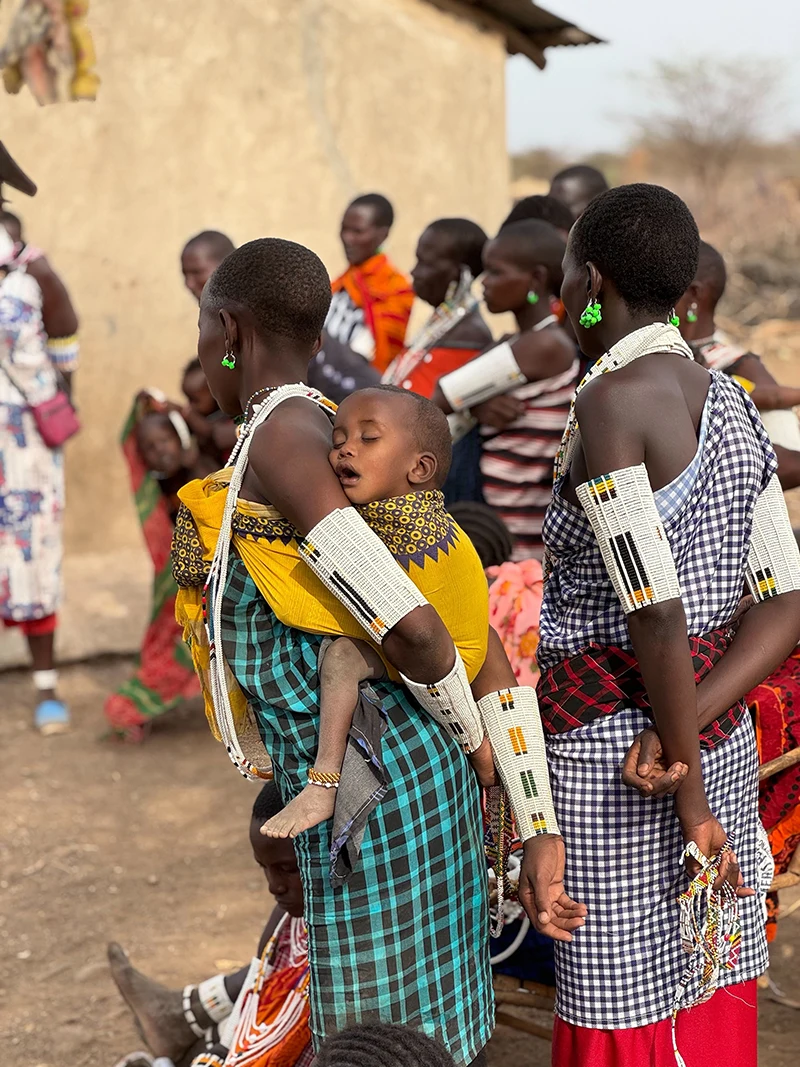
At the community level, water can unite different water users or ‘rightsholders’ – often from different ethnicities or religious groups – around a common cause and provide an entry point for dialogue, reconciliation and peacebuilding.
At the national level, the need to cooperate across different water-using sectors might provide a starting point for coordination across interests.
At the transboundary level, cooperation over shared water resources and ‘hydrodiplomacy’ can be a starting point for communication and broader cooperation, including beyond water resources.
In post-conflict situations, water cooperation plays a pivotal role in rebuilding trust and fostering long-term stability, offering a tangible foundation for collaboration and mutual understanding.

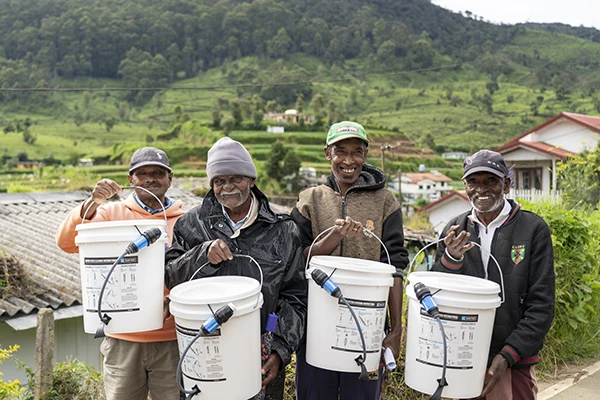
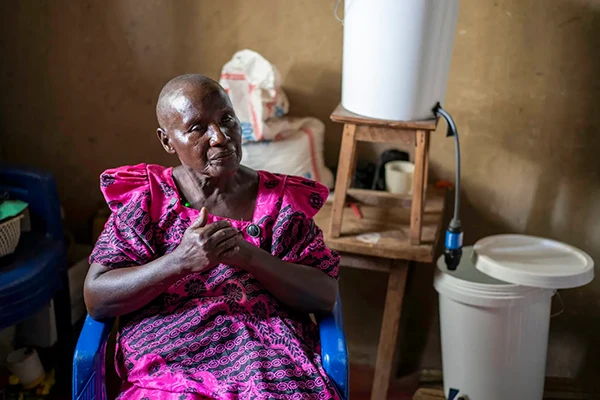
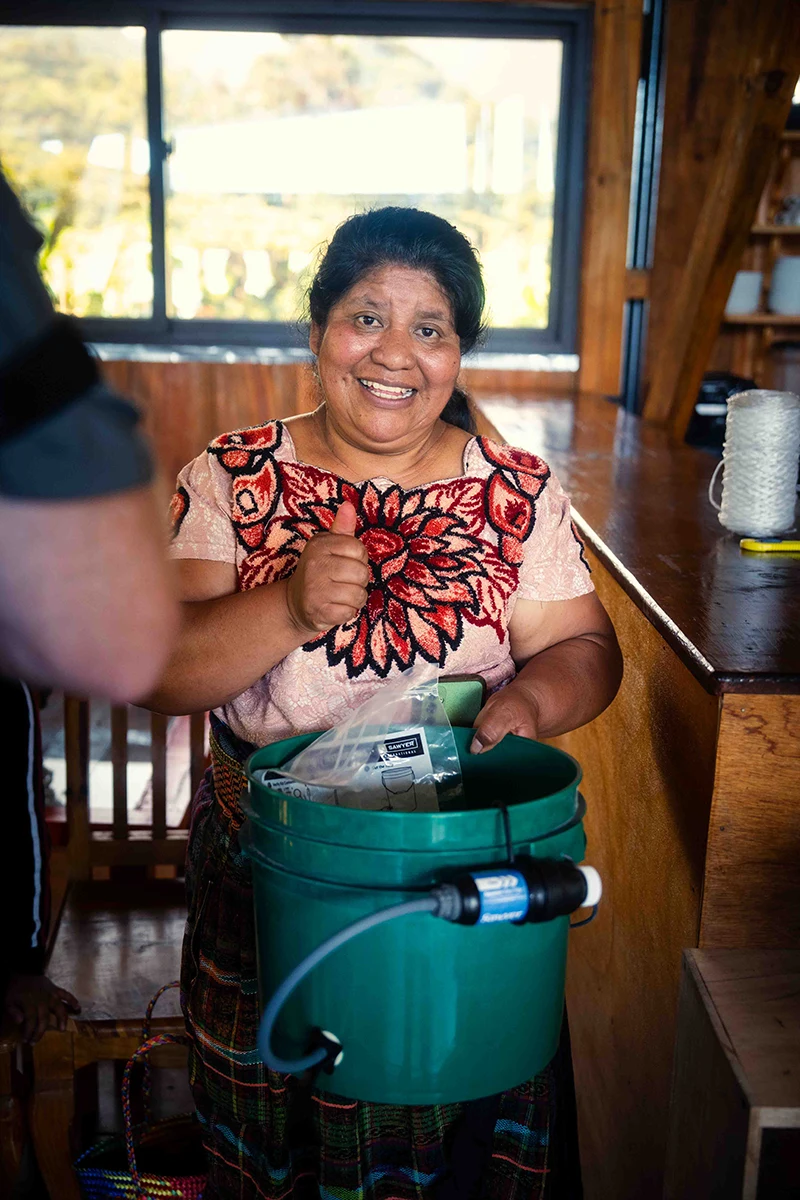
The clean water crisis is a solvable one. Sawyer’s filters enable families and communities to confidently and sustainably reap the benefits of clean water - overall community health, economic opportunities, education access, and more - for over a decade. Training and maintenance programs (often led by locals), quality materials, durability, and thorough follow-ups ensure the process is as sustainable and effective as possible.

In general, science and education are essential, as they allow us to share understanding and solutions to perfect processes and make the biggest impact possible. That’s why, here at Sawyer, our best practices are supported by data and research.

Educating yourself and those around you about water’s role in peace, stability, social equity, and prosperity, is crucial to building the awareness and skills that will ensure a more sustainable and peaceful world is created with water at its core.
Simply by purchasing a Sawyer Product, you’re contributing to clean water for all. Over 90% of our profits support this important work. By working together to balance everyone’s human rights and needs, water can be a stabilizing force and a catalyst for sustainable development.
2024 UN World Water Development Report, released on World Water Day


Every year, World Water Day tackles the clean water crisis by raising awareness and inspiring action to tackle the clean water crisis. Over 2.2 billion people worldwide live without access to safely managed drinking water, and in 2015 the United Nations responded with the development and support of Sustainable Development Goal #6: clean water and sanitation.
We partner with over 140 charities across 80 countries to combat the clean water crisis at the source through education, empowerment, and sustainably safe drinking water.
As a dominating force for humanity, water often plays a role during conflict. For instance:
1. Water can be a trigger when the interests of different water users, including States and provinces, clash and are perceived as irreconcilable, or when water quantity and/or quality decreases, which may affect human- and ecosystem health.
2. Water can be a weapon during armed conflict as a means to gain or maintain control over territory and populations or as a means to pressurize opponent groups.
3. Water can be a casualty of conflict when water resources, water systems or utility employees are intentional or incidental casualties or targets of violence. Attacks on civilian infrastructure, including water systems, pose serious health risks and violate international humanitarian law.
Peaceful cooperation around water can flow into peaceful cooperation in all sectors. This means that non-discrimination and equality in ensuring access to water and sanitation can have a positive ripple effect across society.
At the community level, water can unite different water users or ‘rightsholders’ – often from different ethnicities or religious groups – around a common cause and provide an entry point for dialogue, reconciliation and peacebuilding.
At the national level, the need to cooperate across different water-using sectors might provide a starting point for coordination across interests.
At the transboundary level, cooperation over shared water resources and ‘hydrodiplomacy’ can be a starting point for communication and broader cooperation, including beyond water resources.
In post-conflict situations, water cooperation plays a pivotal role in rebuilding trust and fostering long-term stability, offering a tangible foundation for collaboration and mutual understanding.
The clean water crisis is a solvable one. Sawyer’s filters enable families and communities to confidently and sustainably reap the benefits of clean water - overall community health, economic opportunities, education access, and more - for over a decade. Training and maintenance programs (often led by locals), quality materials, durability, and thorough follow-ups ensure the process is as sustainable and effective as possible.
In general, science and education are essential, as they allow us to share understanding and solutions to perfect processes and make the biggest impact possible. That’s why, here at Sawyer, our best practices are supported by data and research.
Educating yourself and those around you about water’s role in peace, stability, social equity, and prosperity, is crucial to building the awareness and skills that will ensure a more sustainable and peaceful world is created with water at its core.
Simply by purchasing a Sawyer Product, you’re contributing to clean water for all. Over 90% of our profits support this important work. By working together to balance everyone’s human rights and needs, water can be a stabilizing force and a catalyst for sustainable development.
2024 UN World Water Development Report, released on World Water Day
Every year, World Water Day tackles the clean water crisis by raising awareness and inspiring action to tackle the clean water crisis. Over 2.2 billion people worldwide live without access to safely managed drinking water, and in 2015 the United Nations responded with the development and support of Sustainable Development Goal #6: clean water and sanitation.
We partner with over 140 charities across 80 countries to combat the clean water crisis at the source through education, empowerment, and sustainably safe drinking water.
As a dominating force for humanity, water often plays a role during conflict. For instance:
1. Water can be a trigger when the interests of different water users, including States and provinces, clash and are perceived as irreconcilable, or when water quantity and/or quality decreases, which may affect human- and ecosystem health.
2. Water can be a weapon during armed conflict as a means to gain or maintain control over territory and populations or as a means to pressurize opponent groups.
3. Water can be a casualty of conflict when water resources, water systems or utility employees are intentional or incidental casualties or targets of violence. Attacks on civilian infrastructure, including water systems, pose serious health risks and violate international humanitarian law.
Peaceful cooperation around water can flow into peaceful cooperation in all sectors. This means that non-discrimination and equality in ensuring access to water and sanitation can have a positive ripple effect across society.
At the community level, water can unite different water users or ‘rightsholders’ – often from different ethnicities or religious groups – around a common cause and provide an entry point for dialogue, reconciliation and peacebuilding.
At the national level, the need to cooperate across different water-using sectors might provide a starting point for coordination across interests.
At the transboundary level, cooperation over shared water resources and ‘hydrodiplomacy’ can be a starting point for communication and broader cooperation, including beyond water resources.
In post-conflict situations, water cooperation plays a pivotal role in rebuilding trust and fostering long-term stability, offering a tangible foundation for collaboration and mutual understanding.
The clean water crisis is a solvable one. Sawyer’s filters enable families and communities to confidently and sustainably reap the benefits of clean water - overall community health, economic opportunities, education access, and more - for over a decade. Training and maintenance programs (often led by locals), quality materials, durability, and thorough follow-ups ensure the process is as sustainable and effective as possible.
In general, science and education are essential, as they allow us to share understanding and solutions to perfect processes and make the biggest impact possible. That’s why, here at Sawyer, our best practices are supported by data and research.
Educating yourself and those around you about water’s role in peace, stability, social equity, and prosperity, is crucial to building the awareness and skills that will ensure a more sustainable and peaceful world is created with water at its core.
Simply by purchasing a Sawyer Product, you’re contributing to clean water for all. Over 90% of our profits support this important work. By working together to balance everyone’s human rights and needs, water can be a stabilizing force and a catalyst for sustainable development.
2024 UN World Water Development Report, released on World Water Day
More Than an Outdoor Company.

