





Follow us on Instagram
More Than an Outdoor Company.

@sawyerproducts
Follow us on Instagram










Steer clear of mosquitoes, ticks, and other pests with these EPA-approved bug sprays, lotions, and wipes.
Watch videoSteer clear of mosquitoes, ticks, and other pests with these EPA-approved bug sprays, lotions, and wipes.
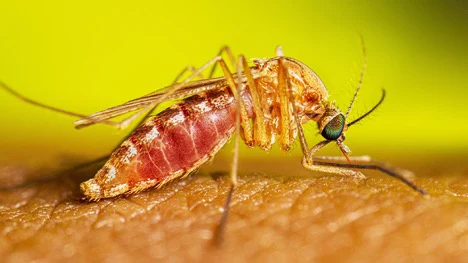
Spending time outdoors is more important than ever these days. But in summer, there’s a new threat to worry about: bugs. On top of itchy bites, tiny bloodsuckers like mosquitoes and ticks can spread serious diseases.
Enter insect repellents, or your first line of defense against practically any pest you rather avoid. Still, there are tons of repellents to choose from, “and they work to varying levels of effectiveness,” explains Mike Merchant, Ph.D., a professor and urban entomologist at Texas A&M University’s AgriLife Extension Service. Below, everything you need to know to choose an effective bug spray, plus the best ones to stock up on.
What are the best insect repellents?
There are eight insect repellents approved by the Environmental Protection Agency (EPA) for use on skin: DEET, picaridin, IR3535, oil of lemon eucalyptus (OLE), para-menthane-diol (PMD), 2-undecanone, catnip oil, and oil of citronella. By far, the most popular ingredient is DEET. “It’s a really effective mosquito repellent for a lot of different species,” Merchant says, adding that DEET lasts the longest, too.
That doesn’t mean other ingredients aren’t effective, “it just depends what you’re going to do with [them],” Merchant says. “If you’re going out to work in the garden for 30 minutes, there’s no problem with using a shorter-acting repellent.” (It’s worth noting that OLE is the only “natural” repellent that’s viewed as effective against aggressive insects like ticks.)
Permethrin is another fantastic insect repellent to consider. It isn’t cleared for use on skin, but is approved by the EPA as a clothing treatment (just note you shouldn’t wear the clothes while you’re treating them).
Find reviews of multiple insect repellents to protect you all summer long written by Jake Smith.


Steer clear of mosquitoes, ticks, and other pests with these EPA-approved bug sprays, lotions, and wipes.
Spending time outdoors is more important than ever these days. But in summer, there’s a new threat to worry about: bugs. On top of itchy bites, tiny bloodsuckers like mosquitoes and ticks can spread serious diseases.
Enter insect repellents, or your first line of defense against practically any pest you rather avoid. Still, there are tons of repellents to choose from, “and they work to varying levels of effectiveness,” explains Mike Merchant, Ph.D., a professor and urban entomologist at Texas A&M University’s AgriLife Extension Service. Below, everything you need to know to choose an effective bug spray, plus the best ones to stock up on.
What are the best insect repellents?
There are eight insect repellents approved by the Environmental Protection Agency (EPA) for use on skin: DEET, picaridin, IR3535, oil of lemon eucalyptus (OLE), para-menthane-diol (PMD), 2-undecanone, catnip oil, and oil of citronella. By far, the most popular ingredient is DEET. “It’s a really effective mosquito repellent for a lot of different species,” Merchant says, adding that DEET lasts the longest, too.
That doesn’t mean other ingredients aren’t effective, “it just depends what you’re going to do with [them],” Merchant says. “If you’re going out to work in the garden for 30 minutes, there’s no problem with using a shorter-acting repellent.” (It’s worth noting that OLE is the only “natural” repellent that’s viewed as effective against aggressive insects like ticks.)
Permethrin is another fantastic insect repellent to consider. It isn’t cleared for use on skin, but is approved by the EPA as a clothing treatment (just note you shouldn’t wear the clothes while you’re treating them).
Find reviews of multiple insect repellents to protect you all summer long written by Jake Smith.
Steer clear of mosquitoes, ticks, and other pests with these EPA-approved bug sprays, lotions, and wipes.
Spending time outdoors is more important than ever these days. But in summer, there’s a new threat to worry about: bugs. On top of itchy bites, tiny bloodsuckers like mosquitoes and ticks can spread serious diseases.
Enter insect repellents, or your first line of defense against practically any pest you rather avoid. Still, there are tons of repellents to choose from, “and they work to varying levels of effectiveness,” explains Mike Merchant, Ph.D., a professor and urban entomologist at Texas A&M University’s AgriLife Extension Service. Below, everything you need to know to choose an effective bug spray, plus the best ones to stock up on.
What are the best insect repellents?
There are eight insect repellents approved by the Environmental Protection Agency (EPA) for use on skin: DEET, picaridin, IR3535, oil of lemon eucalyptus (OLE), para-menthane-diol (PMD), 2-undecanone, catnip oil, and oil of citronella. By far, the most popular ingredient is DEET. “It’s a really effective mosquito repellent for a lot of different species,” Merchant says, adding that DEET lasts the longest, too.
That doesn’t mean other ingredients aren’t effective, “it just depends what you’re going to do with [them],” Merchant says. “If you’re going out to work in the garden for 30 minutes, there’s no problem with using a shorter-acting repellent.” (It’s worth noting that OLE is the only “natural” repellent that’s viewed as effective against aggressive insects like ticks.)
Permethrin is another fantastic insect repellent to consider. It isn’t cleared for use on skin, but is approved by the EPA as a clothing treatment (just note you shouldn’t wear the clothes while you’re treating them).
Find reviews of multiple insect repellents to protect you all summer long written by Jake Smith.
More Than an Outdoor Company.

