



Follow us on Instagram
More Than an Outdoor Company.

@sawyerproducts
Follow us on Instagram

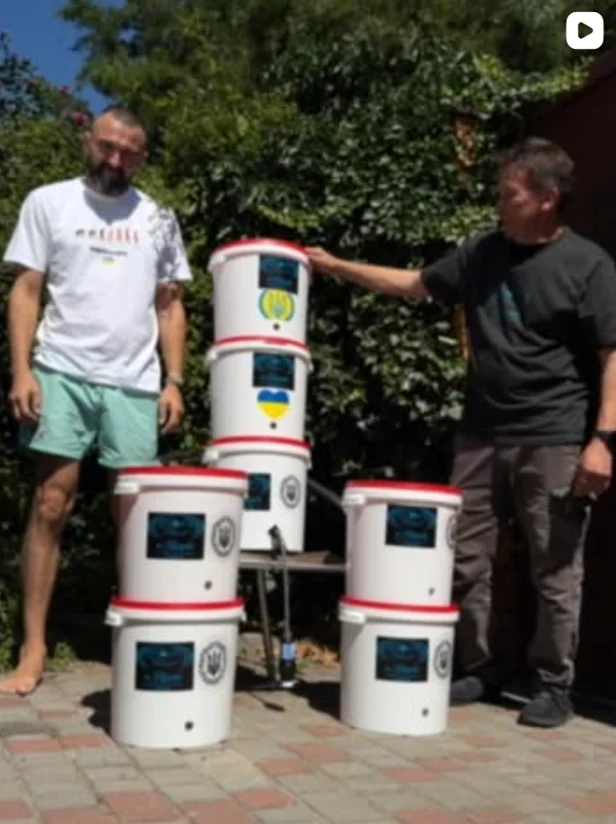
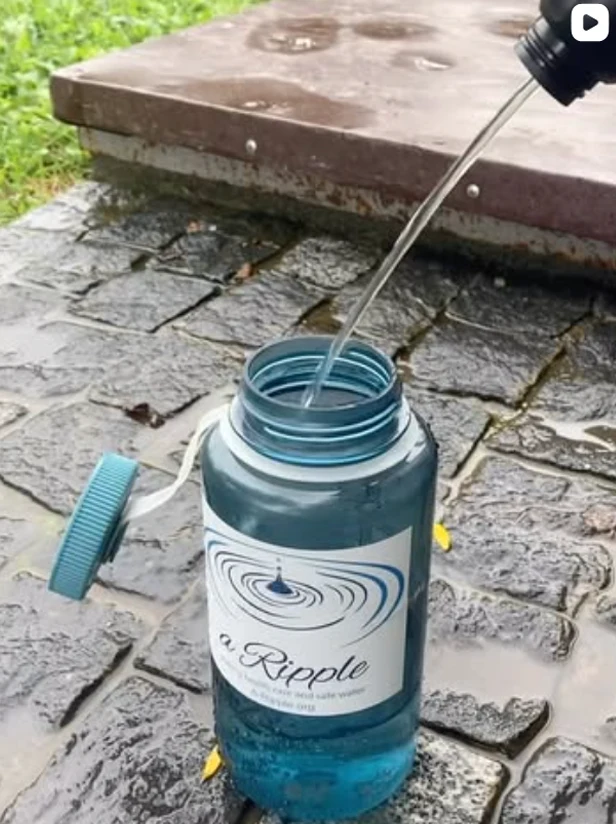





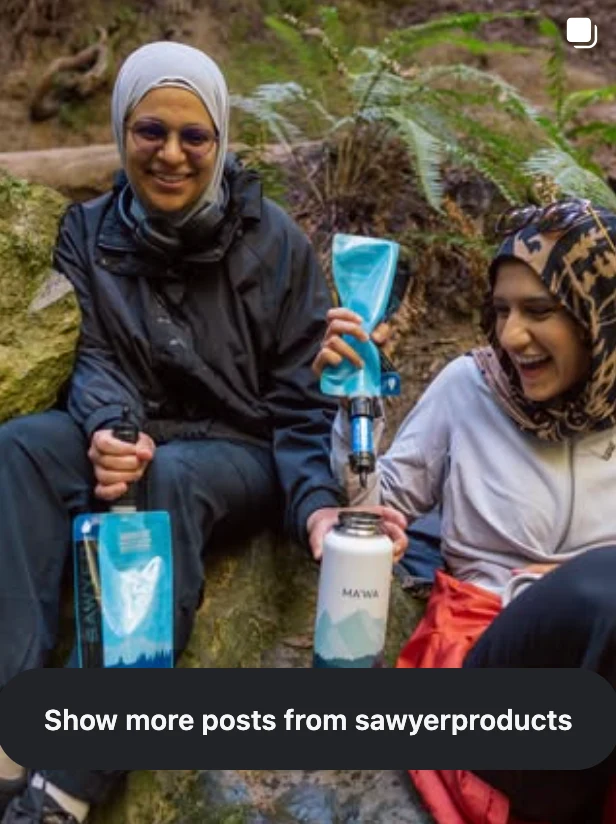

Although there are several water purification methods, a water filter is one of the easiest and most commonly used.
Watch videoBackflushing and sanitizing your water filter ensures you have a fully functional system for your next adventure.
Proper gear care helps you prolong the life of that gear, and in the case of water filters, it can also increase the performance and flow rate. Something like a water filter or any water purification system is invaluable in the backcountry. Without fresh, clean water, any adventure can go sideways fast.
Although there are several water purification methods, a water filter is one of the easiest and most commonly used. We overview a few types of filters, but the main focus of this how-to guide is to walk you through the steps of backflushing and cleaning a water filter element.
The first thing to note is that water filters and purifiers differ. The primary difference between these two is the size of the microorganisms they catch and remove from water.
Water filters remove protozoan cysts and bacteria. Protozoan cysts include Giardia lamblia. Bacteria include Salmonella and E. Coli, among many others. Water filters are great for travel within places like Canada and the United States, where biological pathogens like these are the primary concern.
Viruses are generally too small for a water filter to effectively catch and remove, which is where water purifiers come into play. Water purification methods are recommended when traveling in areas with higher cases of contaminated water or virus exposure through the water.
All water filters contain a filter element (or cartridge), but only some water purifiers have them. Many purifiers use chemicals (like iodine or bleach) to kill viruses. Any water filtration or purification system that contains an internal filtering element needs to be cleaned or backflushed occasionally for best results.
Continue learning more about backflushing your water filter, written by Meg Carney here.


Backflushing and sanitizing your water filter ensures you have a fully functional system for your next adventure.
Proper gear care helps you prolong the life of that gear, and in the case of water filters, it can also increase the performance and flow rate. Something like a water filter or any water purification system is invaluable in the backcountry. Without fresh, clean water, any adventure can go sideways fast.
Although there are several water purification methods, a water filter is one of the easiest and most commonly used. We overview a few types of filters, but the main focus of this how-to guide is to walk you through the steps of backflushing and cleaning a water filter element.
The first thing to note is that water filters and purifiers differ. The primary difference between these two is the size of the microorganisms they catch and remove from water.
Water filters remove protozoan cysts and bacteria. Protozoan cysts include Giardia lamblia. Bacteria include Salmonella and E. Coli, among many others. Water filters are great for travel within places like Canada and the United States, where biological pathogens like these are the primary concern.
Viruses are generally too small for a water filter to effectively catch and remove, which is where water purifiers come into play. Water purification methods are recommended when traveling in areas with higher cases of contaminated water or virus exposure through the water.
All water filters contain a filter element (or cartridge), but only some water purifiers have them. Many purifiers use chemicals (like iodine or bleach) to kill viruses. Any water filtration or purification system that contains an internal filtering element needs to be cleaned or backflushed occasionally for best results.
Continue learning more about backflushing your water filter, written by Meg Carney here.
Backflushing and sanitizing your water filter ensures you have a fully functional system for your next adventure.
Proper gear care helps you prolong the life of that gear, and in the case of water filters, it can also increase the performance and flow rate. Something like a water filter or any water purification system is invaluable in the backcountry. Without fresh, clean water, any adventure can go sideways fast.
Although there are several water purification methods, a water filter is one of the easiest and most commonly used. We overview a few types of filters, but the main focus of this how-to guide is to walk you through the steps of backflushing and cleaning a water filter element.
The first thing to note is that water filters and purifiers differ. The primary difference between these two is the size of the microorganisms they catch and remove from water.
Water filters remove protozoan cysts and bacteria. Protozoan cysts include Giardia lamblia. Bacteria include Salmonella and E. Coli, among many others. Water filters are great for travel within places like Canada and the United States, where biological pathogens like these are the primary concern.
Viruses are generally too small for a water filter to effectively catch and remove, which is where water purifiers come into play. Water purification methods are recommended when traveling in areas with higher cases of contaminated water or virus exposure through the water.
All water filters contain a filter element (or cartridge), but only some water purifiers have them. Many purifiers use chemicals (like iodine or bleach) to kill viruses. Any water filtration or purification system that contains an internal filtering element needs to be cleaned or backflushed occasionally for best results.
Continue learning more about backflushing your water filter, written by Meg Carney here.
More Than an Outdoor Company.

