






Follow us on Instagram
More Than an Outdoor Company.

@sawyerproducts
Follow us on Instagram
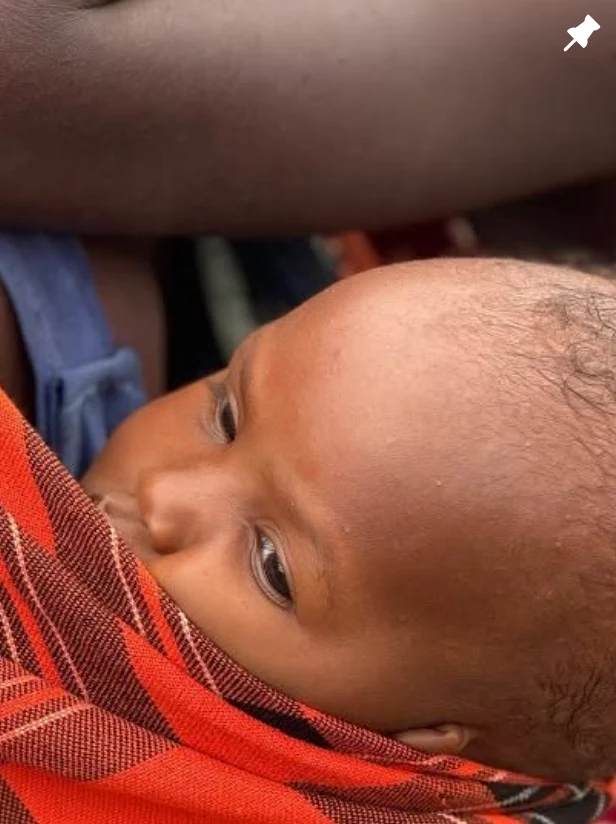






Lack of clean water isn’t unique to the Marshall Islands. According to a 2023 UNICEF report, over 2.2 billion people around the world don’t have access..
Watch videoIn the middle of the Pacific Ocean, about halfway between Hawaii and Guam, lies the Republic of the Marshall Islands (RMI). Made up of hundreds of tiny islands and about 30 atolls (ring-shaped islands with lagoons in the center), the country is more ocean than it is land. But despite being surrounded on all sides by water, the 60,000 residents haven’t ever had reliable access to clean drinking water.
Most Marshall Islands residents have long relied on traditional rainwater harvesting, which is easier to set up and manage than water utility systems in such a remote region. But as droplets fall on roofs and run into catchment systems, the water can become contaminated with bacteria from animal poop and debris. Groundwater, which is used in times of drought, is just as bad, if not worse, because sea level rise is causing salt water to infiltrate the freshwater aquifers underground. Residents frequently got sick with waterborne diseases, like gastroenteritis and cholera, which caused malnutrition and other health issues. “[We've spent] so much money trying to provide medication to or cure people and children suffering from all these waterborne diseases,” explains Moriana Phillip, general manager of the Environmental Protection Authority (EPA) in the RMI.
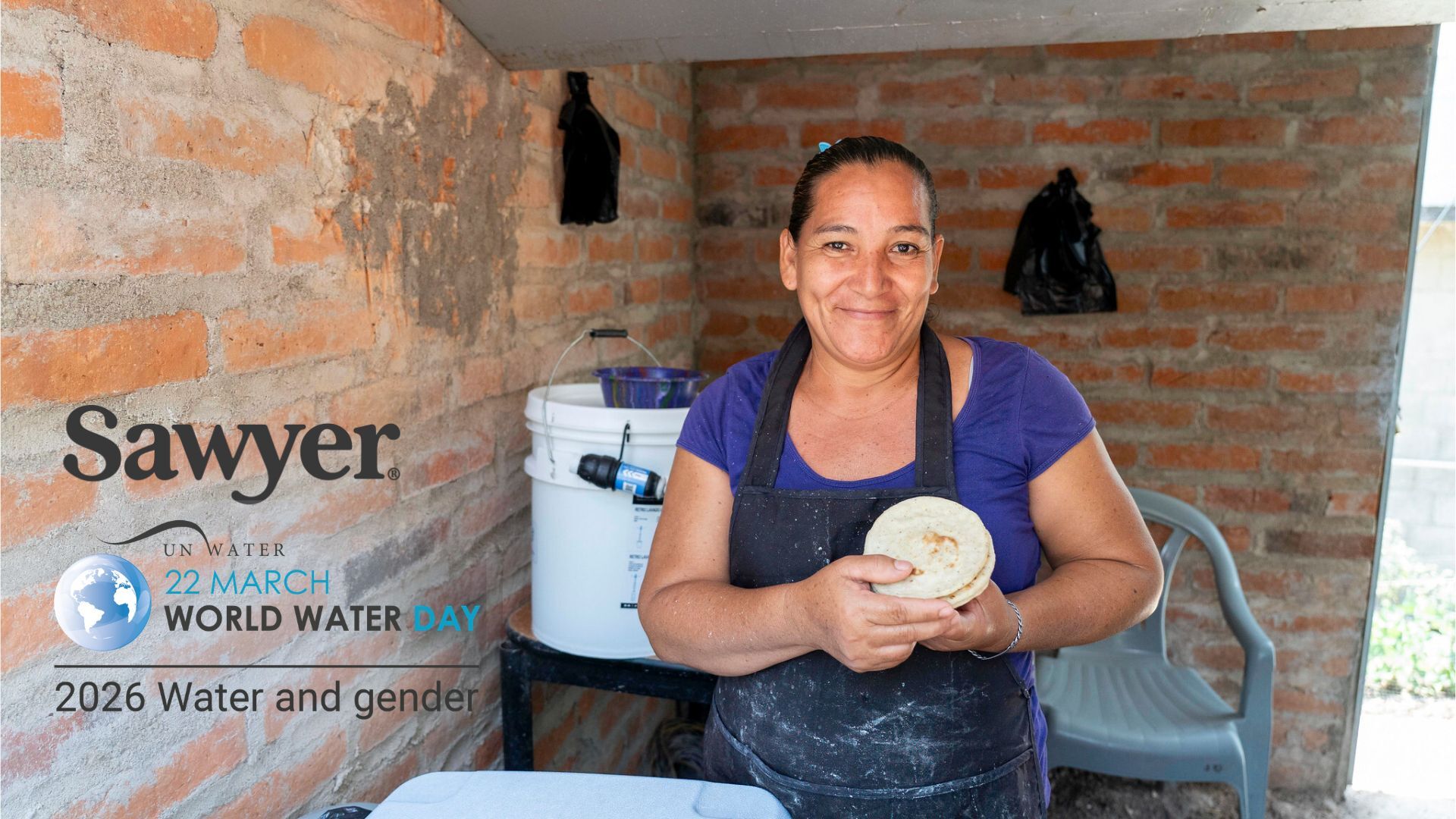
Lack of clean water isn’t unique to the Marshall Islands. According to a 2023 UNICEF report, over 2.2 billion people around the world don’t have access to safely managed drinking water, which is defined as “drinking water from an improved source that is accessible on premises, available when needed and free from fecal and chemical contamination.” In some rural or impoverished areas, water treatment infrastructure was never established so residents are left to drink untreated well water, rainfall, or surface water like lakes and streams—which is often contaminated by pollutants from the surrounding watershed (like agricultural fertilizers or animal waste). However, lack of clean water access can also result from aging infrastructure and government mismanagement (like in the case of Flint, Michigan) and/or natural disasters (like in Jackson, Mississippi).


In the middle of the Pacific Ocean, about halfway between Hawaii and Guam, lies the Republic of the Marshall Islands (RMI). Made up of hundreds of tiny islands and about 30 atolls (ring-shaped islands with lagoons in the center), the country is more ocean than it is land. But despite being surrounded on all sides by water, the 60,000 residents haven’t ever had reliable access to clean drinking water.
Most Marshall Islands residents have long relied on traditional rainwater harvesting, which is easier to set up and manage than water utility systems in such a remote region. But as droplets fall on roofs and run into catchment systems, the water can become contaminated with bacteria from animal poop and debris. Groundwater, which is used in times of drought, is just as bad, if not worse, because sea level rise is causing salt water to infiltrate the freshwater aquifers underground. Residents frequently got sick with waterborne diseases, like gastroenteritis and cholera, which caused malnutrition and other health issues. “[We've spent] so much money trying to provide medication to or cure people and children suffering from all these waterborne diseases,” explains Moriana Phillip, general manager of the Environmental Protection Authority (EPA) in the RMI.
Lack of clean water isn’t unique to the Marshall Islands. According to a 2023 UNICEF report, over 2.2 billion people around the world don’t have access to safely managed drinking water, which is defined as “drinking water from an improved source that is accessible on premises, available when needed and free from fecal and chemical contamination.” In some rural or impoverished areas, water treatment infrastructure was never established so residents are left to drink untreated well water, rainfall, or surface water like lakes and streams—which is often contaminated by pollutants from the surrounding watershed (like agricultural fertilizers or animal waste). However, lack of clean water access can also result from aging infrastructure and government mismanagement (like in the case of Flint, Michigan) and/or natural disasters (like in Jackson, Mississippi).
In the middle of the Pacific Ocean, about halfway between Hawaii and Guam, lies the Republic of the Marshall Islands (RMI). Made up of hundreds of tiny islands and about 30 atolls (ring-shaped islands with lagoons in the center), the country is more ocean than it is land. But despite being surrounded on all sides by water, the 60,000 residents haven’t ever had reliable access to clean drinking water.
Most Marshall Islands residents have long relied on traditional rainwater harvesting, which is easier to set up and manage than water utility systems in such a remote region. But as droplets fall on roofs and run into catchment systems, the water can become contaminated with bacteria from animal poop and debris. Groundwater, which is used in times of drought, is just as bad, if not worse, because sea level rise is causing salt water to infiltrate the freshwater aquifers underground. Residents frequently got sick with waterborne diseases, like gastroenteritis and cholera, which caused malnutrition and other health issues. “[We've spent] so much money trying to provide medication to or cure people and children suffering from all these waterborne diseases,” explains Moriana Phillip, general manager of the Environmental Protection Authority (EPA) in the RMI.
Lack of clean water isn’t unique to the Marshall Islands. According to a 2023 UNICEF report, over 2.2 billion people around the world don’t have access to safely managed drinking water, which is defined as “drinking water from an improved source that is accessible on premises, available when needed and free from fecal and chemical contamination.” In some rural or impoverished areas, water treatment infrastructure was never established so residents are left to drink untreated well water, rainfall, or surface water like lakes and streams—which is often contaminated by pollutants from the surrounding watershed (like agricultural fertilizers or animal waste). However, lack of clean water access can also result from aging infrastructure and government mismanagement (like in the case of Flint, Michigan) and/or natural disasters (like in Jackson, Mississippi).
More Than an Outdoor Company.

