





Follow us on Instagram
More Than an Outdoor Company.

@sawyerproducts
Follow us on Instagram











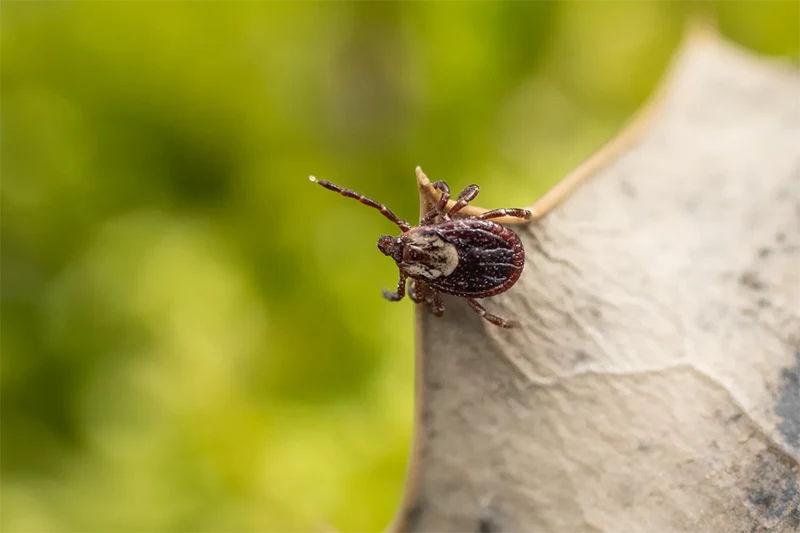
DEET is one of the most effective and common flea, tick, and mosquito repellents in the world. The active ingredient in about 120 commercially available products, it is considered safe for humans and the environment by the World Health Organization (WHO), the Environmental Protection Agency (EPA), and the Centers for Disease Control and Prevention (CDC). Despite its robust credentials, many people retain a strong buzz of concern about DEET.
A commonly cited 2019 study from researchers at Johns Hopkins University and Virginia Polytechnic Institute suggests that DEET changes the scent of human sweat and either makes humans smell noxious to mosquitoes and ticks or makes people harder for them to find. However, not enough is known about how mosquitoes and ticks process odors to understand precisely how the chemical repels them.
The National Pesticide Information Center says that about 30% of Americans use some formulation of DEET. They find it in various brand-name products at concentrations varying from 4% to 100%. The concentration percentage forecasts not how well a product will work but how long its effect will last.


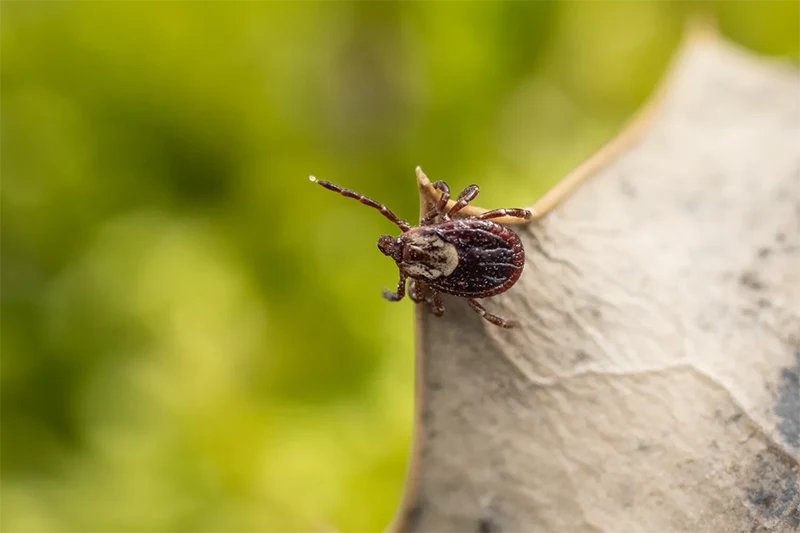
DEET is one of the most effective and common flea, tick, and mosquito repellents in the world. The active ingredient in about 120 commercially available products, it is considered safe for humans and the environment by the World Health Organization (WHO), the Environmental Protection Agency (EPA), and the Centers for Disease Control and Prevention (CDC). Despite its robust credentials, many people retain a strong buzz of concern about DEET.
A commonly cited 2019 study from researchers at Johns Hopkins University and Virginia Polytechnic Institute suggests that DEET changes the scent of human sweat and either makes humans smell noxious to mosquitoes and ticks or makes people harder for them to find. However, not enough is known about how mosquitoes and ticks process odors to understand precisely how the chemical repels them.
The National Pesticide Information Center says that about 30% of Americans use some formulation of DEET. They find it in various brand-name products at concentrations varying from 4% to 100%. The concentration percentage forecasts not how well a product will work but how long its effect will last.
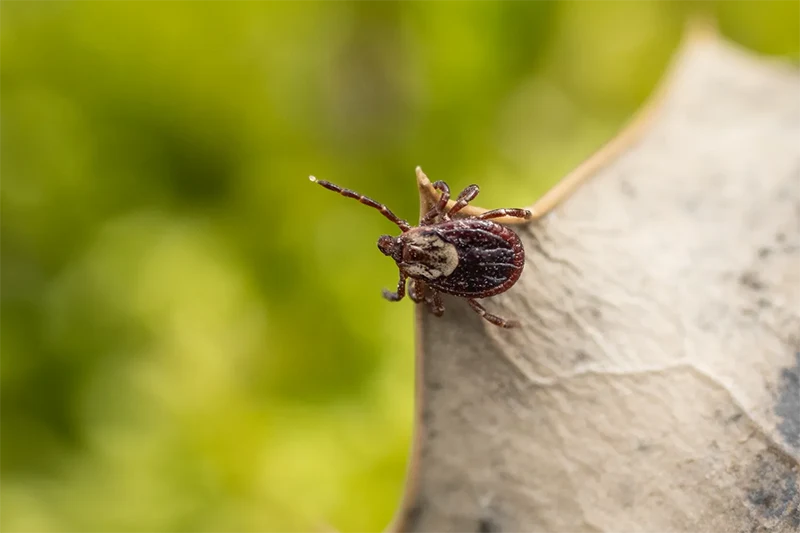
DEET is one of the most effective and common flea, tick, and mosquito repellents in the world. The active ingredient in about 120 commercially available products, it is considered safe for humans and the environment by the World Health Organization (WHO), the Environmental Protection Agency (EPA), and the Centers for Disease Control and Prevention (CDC). Despite its robust credentials, many people retain a strong buzz of concern about DEET.
A commonly cited 2019 study from researchers at Johns Hopkins University and Virginia Polytechnic Institute suggests that DEET changes the scent of human sweat and either makes humans smell noxious to mosquitoes and ticks or makes people harder for them to find. However, not enough is known about how mosquitoes and ticks process odors to understand precisely how the chemical repels them.
The National Pesticide Information Center says that about 30% of Americans use some formulation of DEET. They find it in various brand-name products at concentrations varying from 4% to 100%. The concentration percentage forecasts not how well a product will work but how long its effect will last.
More Than an Outdoor Company.

