




Follow us on Instagram
More Than an Outdoor Company.

@sawyerproducts
Follow us on Instagram










TICK SEASON 101: WHAT YOU NEED TO KNOW + TICK REPELLENT from WIDE OPEN SPACES
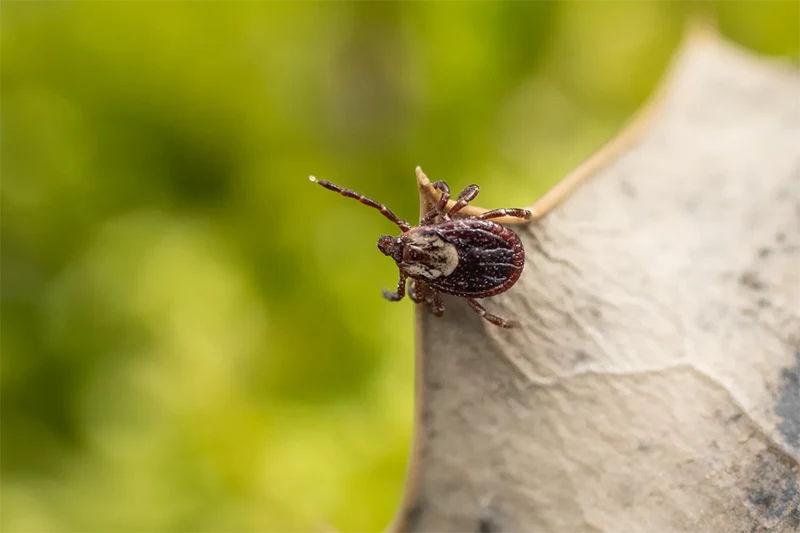
Watch videoSome might say mosquitoes are the bane of their existence when it comes to the outdoors, but if you've ever encountered ticks, then you might think that mosquitoes are hardly any trouble. The Centers for Disease Control and Prevention usually address tick season each year, typically around April or late spring.
It's that time of the year, so be wary when in wooded areas and grassy areas. Tick bites can be dangerous, leading to tick-borne illnesses like Lyme disease or Rocky Mountain spotted fever.
The CDC is an excellent resource for tick populations in the United States. Some regions may have high counts of the black-legged tick (or deer tick), and some may have high populations of the American dog tick.
The Black-legged tick is prominent across the eastern United States, in states such as Connecticut, New Jersey, Rhode Island, Wisconsin, and New York.
Be proactive and protect yourself from tick bites. Long pants and insect repellent are easy ways to protect yourself. Be sure to become acquainted with how to remove a tick. Keeping a pair of tweezers in your first aid kit is something you should do from here on out.
Different species of ticks transmit different diseases, so do your research and find out which disease could be transmitted in your home state. During this time, try to keep your home tick-free, and be safe in tall grass areas.
See the full guide from Allison Johnson on Wide Open Spaces' website here.


Some might say mosquitoes are the bane of their existence when it comes to the outdoors, but if you've ever encountered ticks, then you might think that mosquitoes are hardly any trouble. The Centers for Disease Control and Prevention usually address tick season each year, typically around April or late spring.
It's that time of the year, so be wary when in wooded areas and grassy areas. Tick bites can be dangerous, leading to tick-borne illnesses like Lyme disease or Rocky Mountain spotted fever.
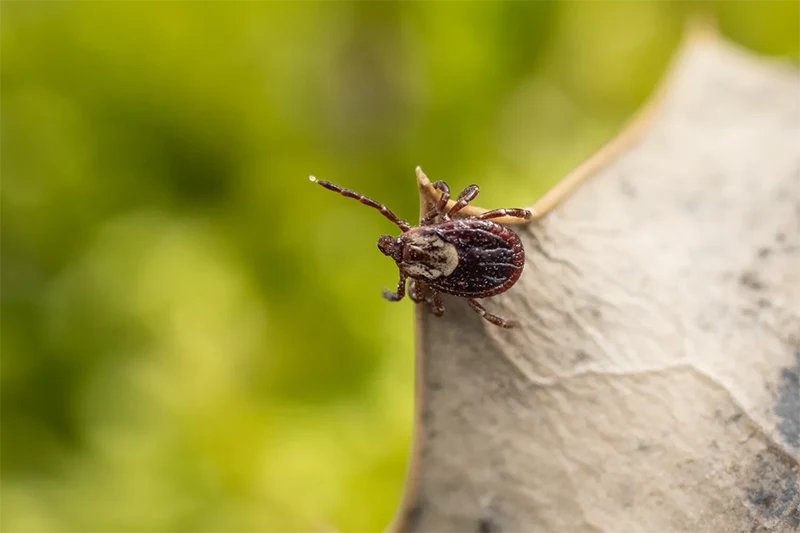
The CDC is an excellent resource for tick populations in the United States. Some regions may have high counts of the black-legged tick (or deer tick), and some may have high populations of the American dog tick.
The Black-legged tick is prominent across the eastern United States, in states such as Connecticut, New Jersey, Rhode Island, Wisconsin, and New York.
Be proactive and protect yourself from tick bites. Long pants and insect repellent are easy ways to protect yourself. Be sure to become acquainted with how to remove a tick. Keeping a pair of tweezers in your first aid kit is something you should do from here on out.
Different species of ticks transmit different diseases, so do your research and find out which disease could be transmitted in your home state. During this time, try to keep your home tick-free, and be safe in tall grass areas.
See the full guide from Allison Johnson on Wide Open Spaces' website here.
Some might say mosquitoes are the bane of their existence when it comes to the outdoors, but if you've ever encountered ticks, then you might think that mosquitoes are hardly any trouble. The Centers for Disease Control and Prevention usually address tick season each year, typically around April or late spring.
It's that time of the year, so be wary when in wooded areas and grassy areas. Tick bites can be dangerous, leading to tick-borne illnesses like Lyme disease or Rocky Mountain spotted fever.
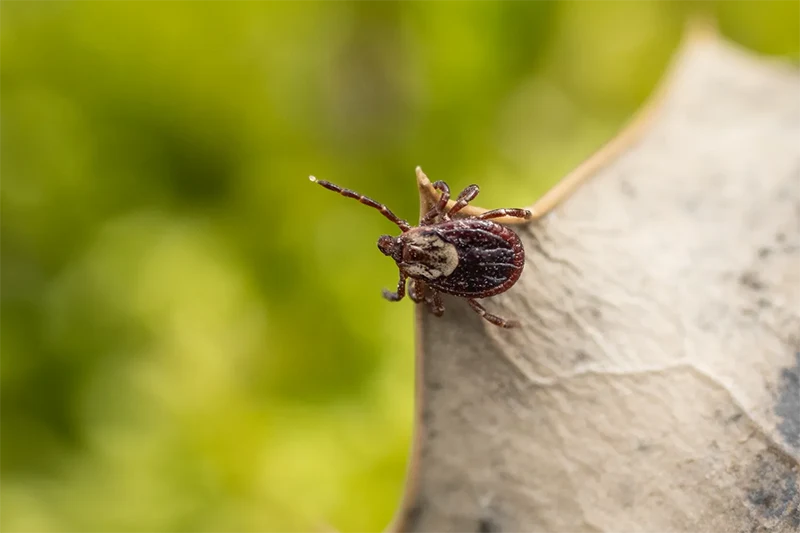
The CDC is an excellent resource for tick populations in the United States. Some regions may have high counts of the black-legged tick (or deer tick), and some may have high populations of the American dog tick.
The Black-legged tick is prominent across the eastern United States, in states such as Connecticut, New Jersey, Rhode Island, Wisconsin, and New York.
Be proactive and protect yourself from tick bites. Long pants and insect repellent are easy ways to protect yourself. Be sure to become acquainted with how to remove a tick. Keeping a pair of tweezers in your first aid kit is something you should do from here on out.
Different species of ticks transmit different diseases, so do your research and find out which disease could be transmitted in your home state. During this time, try to keep your home tick-free, and be safe in tall grass areas.
See the full guide from Allison Johnson on Wide Open Spaces' website here.
More Than an Outdoor Company.

