






Follow us on Instagram
More Than an Outdoor Company.

@sawyerproducts
Follow us on Instagram

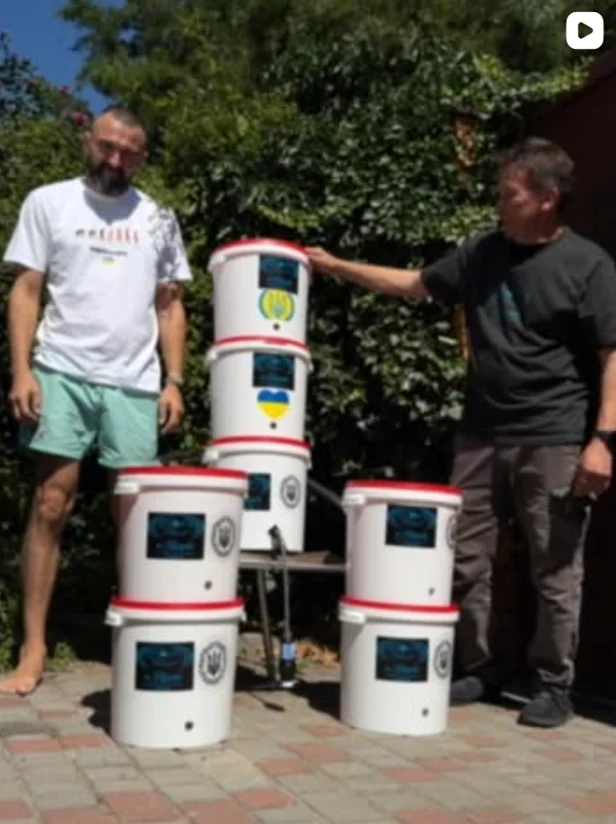




Every hopeful thru-hiker learns how to pop blisters and deal with basic medical emergencies before a thru-hike. But what do you do when it’s your gear that breaks? Thru-hikes are tough and demanding on your stuff, just as much as they are for you. Almost everyone will have to stitch up ripped backpack mesh, splint a tent pole, or fix a clogged filter at some point. Fixing your gear rather than just tossing it is also better for your wallet and the planet. It makes sense to learn some basic backpacking gear repairs before you head out.
Make sure your gear is in tip-top shape before you start your hike. You wouldn’t start a thru-hike with a broken ankle. So if your gear isn’t performing how you want it to, either replace it before you leave or fix it before you start the trail. Shakedown hikes can be invaluable for checking the condition of your gear. This is especially important for older or used gear.
Some things you might want to consider before starting your thru-hike include:
In addition to checking pre-hike, you should also keep an eye on your gear throughout your trip. Zeros in town are a great chance to wash or repair worn gear before it fails on you completely.
Throughout your hike, try and take good care of your stuff as much as possible. If your gear gets wet, dry it out so there’s no mold or mildew. If it gets dirty, clean it (sand will kill zippers quickly). Be careful around fires or barbed wire fences, unless you really want to have to fix holes.


Every hopeful thru-hiker learns how to pop blisters and deal with basic medical emergencies before a thru-hike. But what do you do when it’s your gear that breaks? Thru-hikes are tough and demanding on your stuff, just as much as they are for you. Almost everyone will have to stitch up ripped backpack mesh, splint a tent pole, or fix a clogged filter at some point. Fixing your gear rather than just tossing it is also better for your wallet and the planet. It makes sense to learn some basic backpacking gear repairs before you head out.
Make sure your gear is in tip-top shape before you start your hike. You wouldn’t start a thru-hike with a broken ankle. So if your gear isn’t performing how you want it to, either replace it before you leave or fix it before you start the trail. Shakedown hikes can be invaluable for checking the condition of your gear. This is especially important for older or used gear.
Some things you might want to consider before starting your thru-hike include:
In addition to checking pre-hike, you should also keep an eye on your gear throughout your trip. Zeros in town are a great chance to wash or repair worn gear before it fails on you completely.
Throughout your hike, try and take good care of your stuff as much as possible. If your gear gets wet, dry it out so there’s no mold or mildew. If it gets dirty, clean it (sand will kill zippers quickly). Be careful around fires or barbed wire fences, unless you really want to have to fix holes.
Every hopeful thru-hiker learns how to pop blisters and deal with basic medical emergencies before a thru-hike. But what do you do when it’s your gear that breaks? Thru-hikes are tough and demanding on your stuff, just as much as they are for you. Almost everyone will have to stitch up ripped backpack mesh, splint a tent pole, or fix a clogged filter at some point. Fixing your gear rather than just tossing it is also better for your wallet and the planet. It makes sense to learn some basic backpacking gear repairs before you head out.
Make sure your gear is in tip-top shape before you start your hike. You wouldn’t start a thru-hike with a broken ankle. So if your gear isn’t performing how you want it to, either replace it before you leave or fix it before you start the trail. Shakedown hikes can be invaluable for checking the condition of your gear. This is especially important for older or used gear.
Some things you might want to consider before starting your thru-hike include:
In addition to checking pre-hike, you should also keep an eye on your gear throughout your trip. Zeros in town are a great chance to wash or repair worn gear before it fails on you completely.
Throughout your hike, try and take good care of your stuff as much as possible. If your gear gets wet, dry it out so there’s no mold or mildew. If it gets dirty, clean it (sand will kill zippers quickly). Be careful around fires or barbed wire fences, unless you really want to have to fix holes.
More Than an Outdoor Company.

