






Follow us on Instagram
More Than an Outdoor Company.

@sawyerproducts
Follow us on Instagram


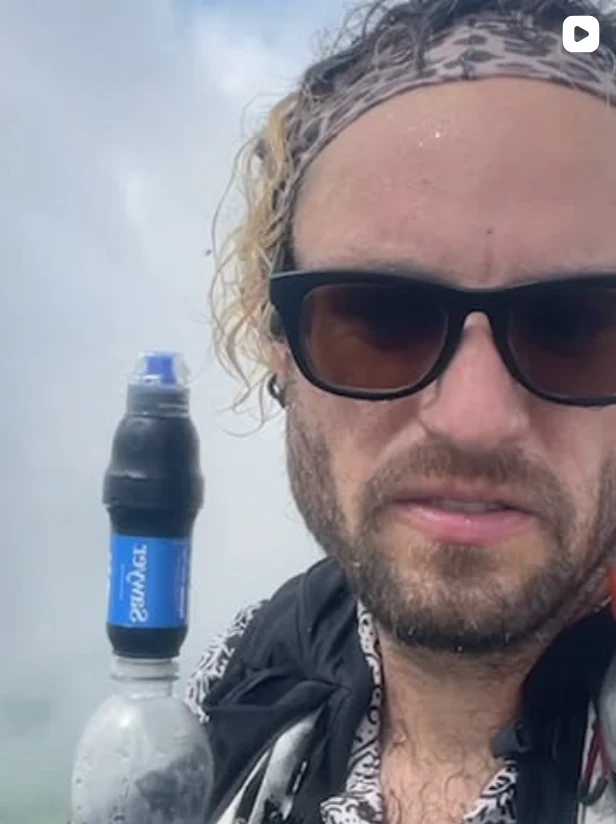
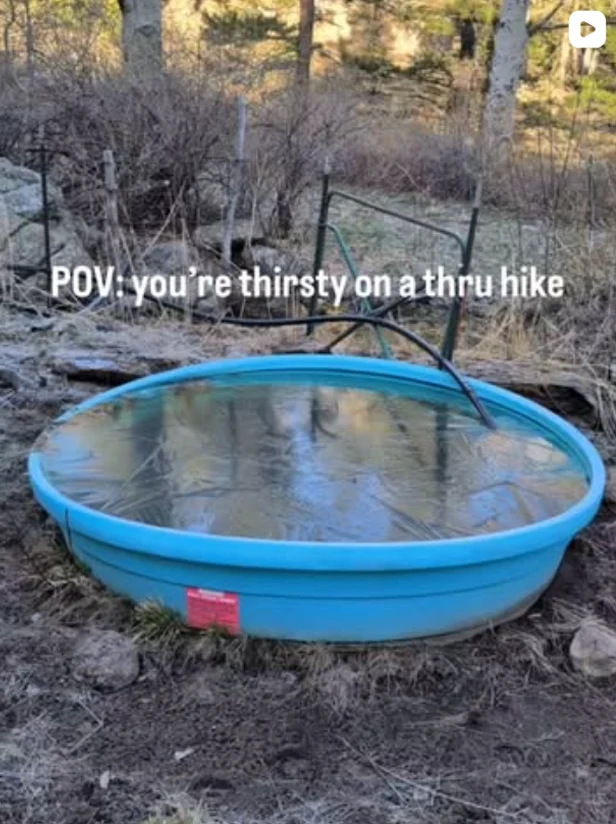


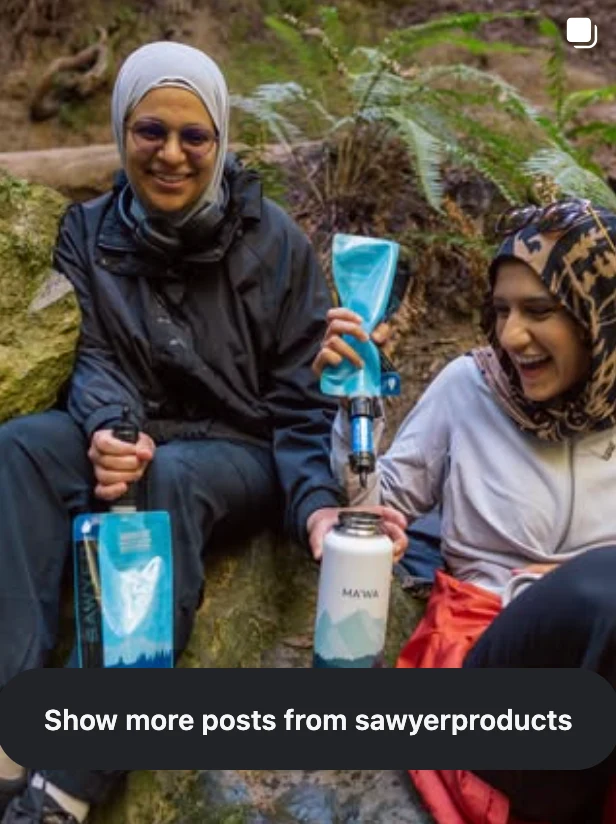

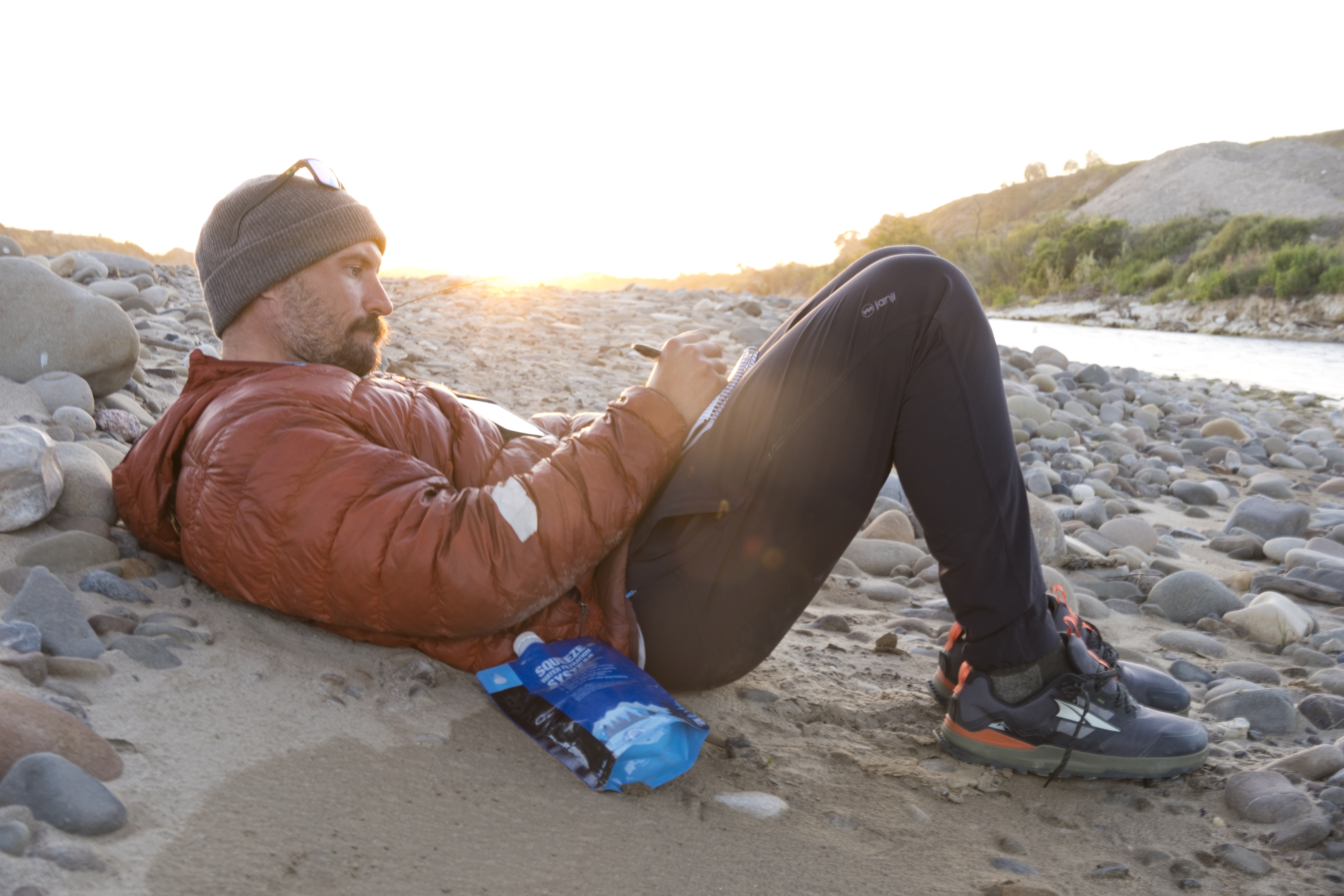
One of the reasons why I love backpacking is because walking from point A to B with all your essentials on your back simplifies life to its basic level. Each day all I need to do is walk and make three decisions. That’s it. Just three decisions:
Where will I get water?
Where will I sleep?
What will I eat?
In the next three posts I’d like to focus on each one of these basic principles of survival. Let’s start with water- the driver of everything in the arid and desert sections of Southern California.
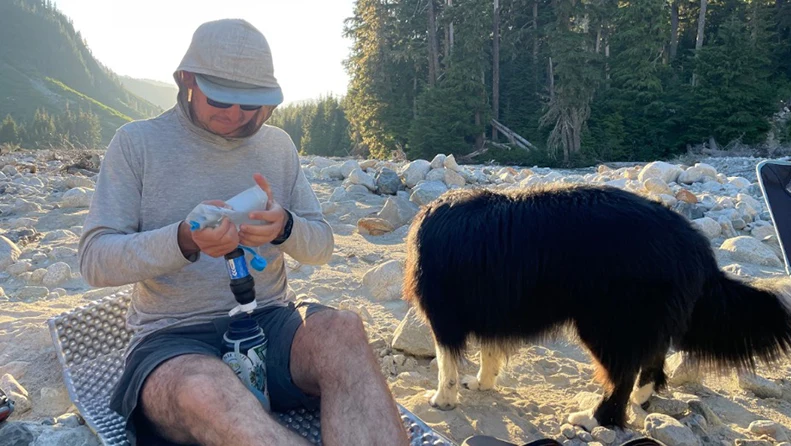
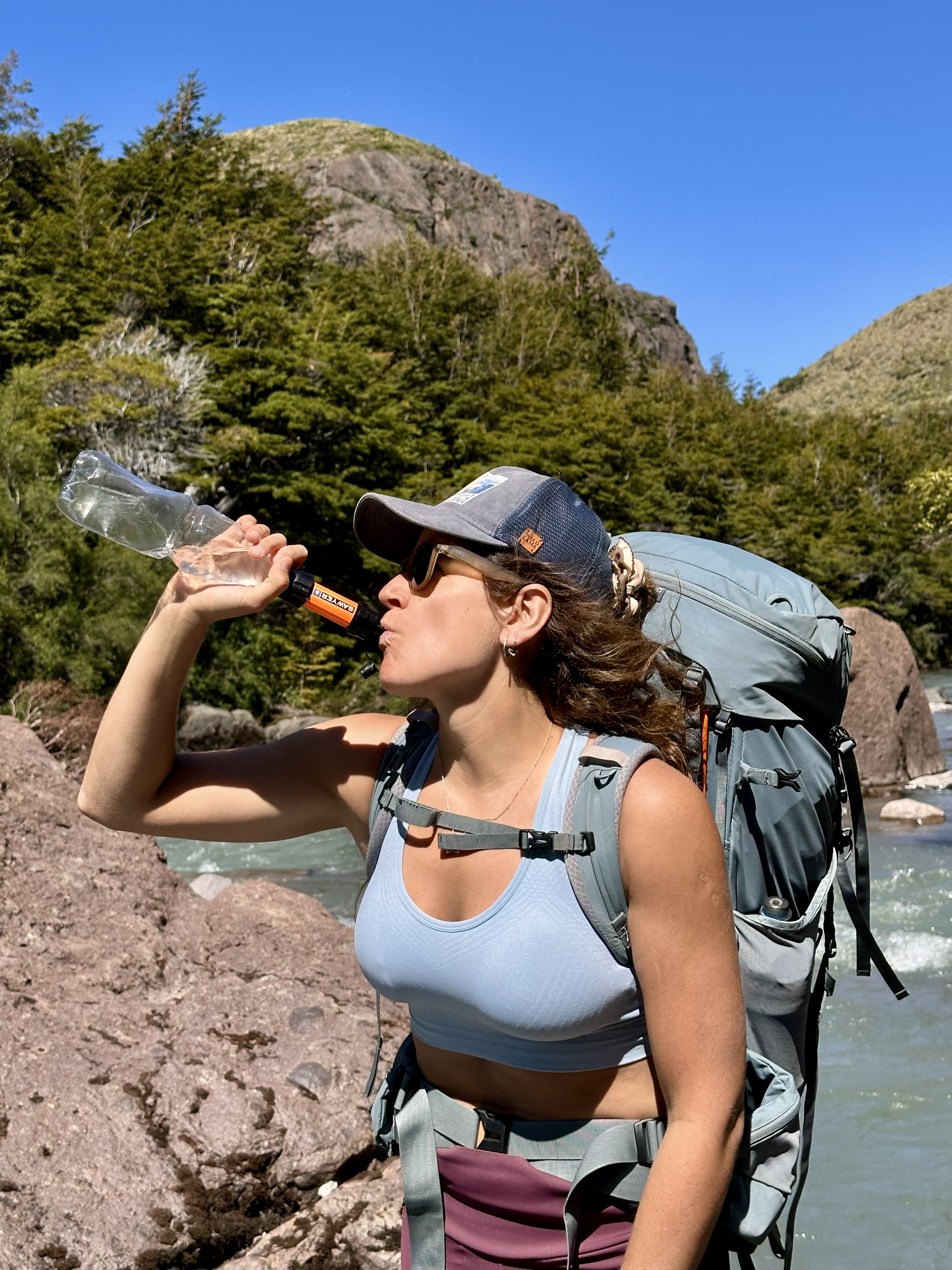
Water is essential each day for hydration, cooking and cleaning. As hikers, we determine daily mileage, next destinations, the time of day when we will hike, and what we will eat based completely on the availability of water. We always know exactly how much we are carrying and how much we will need per mile on trail.
I generally drink one liter of water for every four miles, but that can vary widely if the terrain is uphill or the mercury is rising. I’ve already had a couple close calls where I underestimated my consumption and had some long, hot miles getting to the next water source.
On the PCT, and most other long trails, hikers use a GPS app called FarOut which pinpoints with extreme accuracy our location and the location of water sources near the trail. Then hikers leave up-to-date comments describing the flow and ease of filling our water bottles each day. Using the GPS and the comments, I can be assured to find water if it exists.


One of the reasons why I love backpacking is because walking from point A to B with all your essentials on your back simplifies life to its basic level. Each day all I need to do is walk and make three decisions. That’s it. Just three decisions:
Where will I get water?
Where will I sleep?
What will I eat?
In the next three posts I’d like to focus on each one of these basic principles of survival. Let’s start with water- the driver of everything in the arid and desert sections of Southern California.
Water is essential each day for hydration, cooking and cleaning. As hikers, we determine daily mileage, next destinations, the time of day when we will hike, and what we will eat based completely on the availability of water. We always know exactly how much we are carrying and how much we will need per mile on trail.
I generally drink one liter of water for every four miles, but that can vary widely if the terrain is uphill or the mercury is rising. I’ve already had a couple close calls where I underestimated my consumption and had some long, hot miles getting to the next water source.
On the PCT, and most other long trails, hikers use a GPS app called FarOut which pinpoints with extreme accuracy our location and the location of water sources near the trail. Then hikers leave up-to-date comments describing the flow and ease of filling our water bottles each day. Using the GPS and the comments, I can be assured to find water if it exists.
One of the reasons why I love backpacking is because walking from point A to B with all your essentials on your back simplifies life to its basic level. Each day all I need to do is walk and make three decisions. That’s it. Just three decisions:
Where will I get water?
Where will I sleep?
What will I eat?
In the next three posts I’d like to focus on each one of these basic principles of survival. Let’s start with water- the driver of everything in the arid and desert sections of Southern California.
Water is essential each day for hydration, cooking and cleaning. As hikers, we determine daily mileage, next destinations, the time of day when we will hike, and what we will eat based completely on the availability of water. We always know exactly how much we are carrying and how much we will need per mile on trail.
I generally drink one liter of water for every four miles, but that can vary widely if the terrain is uphill or the mercury is rising. I’ve already had a couple close calls where I underestimated my consumption and had some long, hot miles getting to the next water source.
On the PCT, and most other long trails, hikers use a GPS app called FarOut which pinpoints with extreme accuracy our location and the location of water sources near the trail. Then hikers leave up-to-date comments describing the flow and ease of filling our water bottles each day. Using the GPS and the comments, I can be assured to find water if it exists.
More Than an Outdoor Company.

