











Follow us on Instagram
More Than an Outdoor Company.

@sawyerproducts
Follow us on Instagram








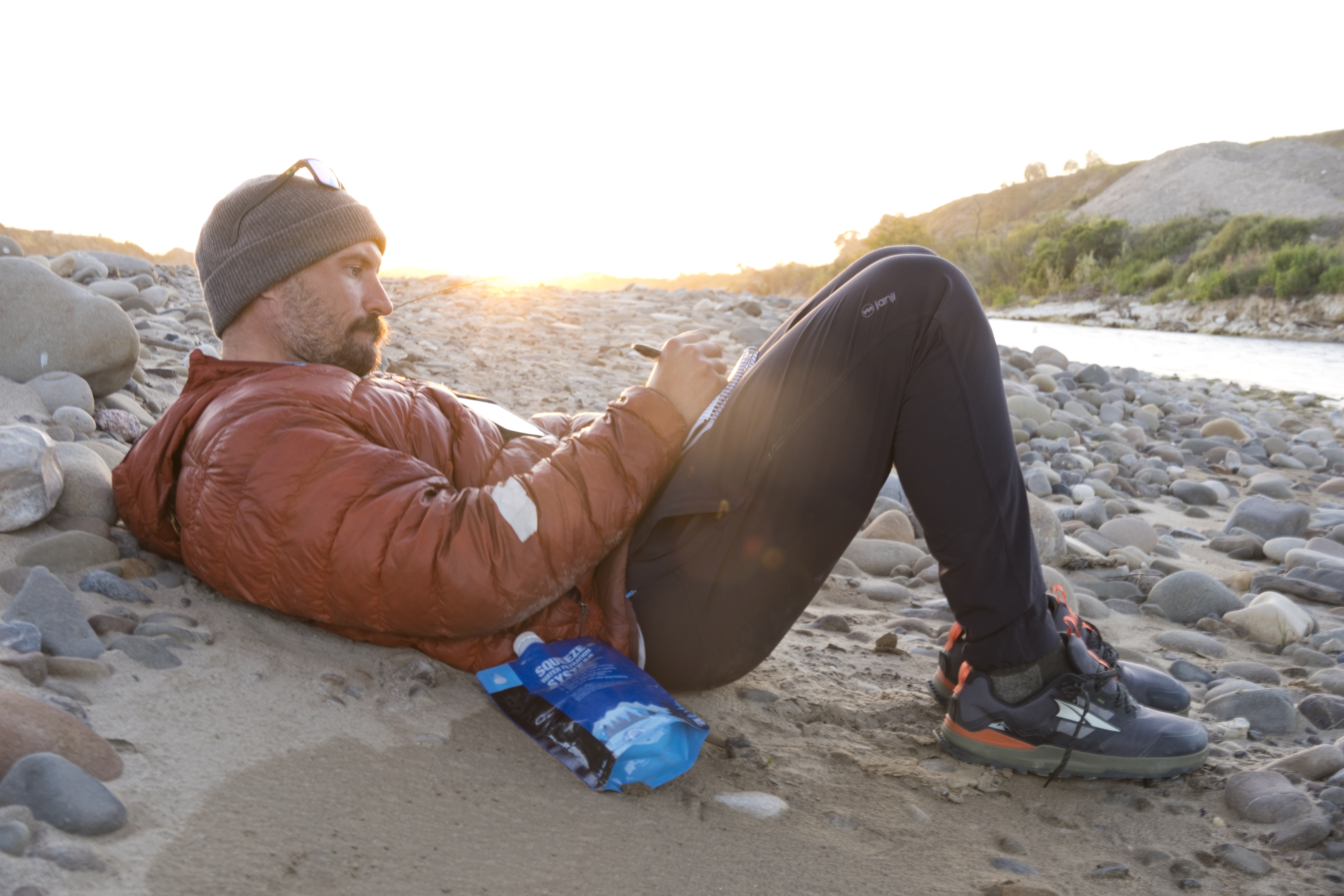
Camping by water makes it easy to take a quick dip, spend the day floating along with the current, and fall asleep to the sound of lapping waves! Want to try this memorable experience yourself? Here is some gear that will come in handy when there’s water and sand involved.
Note: Stay in designated campsites and follow local rules on how far from the water you can set up your tent, cook, and go to the bathroom. Look up these regulations at the campground, state park, or other designated land management organization in charge of the area. Follow Leave No Trace principles like camping on durable surfaces, being responsible about fires, and properly disposing of waste.
Any outdoor location can get buggy, but many insects like to linger (and even lay eggs!) by the waterfront. When camping on or near a shoreline, you may encounter toe biters, mosquitoes, sand flies, and midges - to name a few. Prevent uncomfortable, itchy bites with bug deterrents so you can spend more time enjoying the experience!
Picaridin is one option for limiting insect bites. It's odorless, non-greasy, and won’t dissolve plastics or other synthetics. Picaridin spray repellents like this one from Sawyer are a fan favorite. The pump-spray method is easy to evenly apply without leaving an oily puddle on your skin. Plus, it won't eat through a raincoat if you put it on while sheltering from precipitation.
In the warmer months, soak up the sun and cool off by taking a dip. Make sure you know the water depth so you're not diving in shallow areas. Follow signage on where you are allowed to swim - some beaches or shorelines may be off-limits due to currents or other dangerous conditions.
If you’re packing light, skip the suit in favor of quick-drying shorts and a tank or sports bra. You can always hop in a secluded waterway in your skivvies so long as you’re being mindful of potential passersby.
Continue to read about more must-bring gear for camping by the water here.


Camping by water makes it easy to take a quick dip, spend the day floating along with the current, and fall asleep to the sound of lapping waves! Want to try this memorable experience yourself? Here is some gear that will come in handy when there’s water and sand involved.
Note: Stay in designated campsites and follow local rules on how far from the water you can set up your tent, cook, and go to the bathroom. Look up these regulations at the campground, state park, or other designated land management organization in charge of the area. Follow Leave No Trace principles like camping on durable surfaces, being responsible about fires, and properly disposing of waste.
Any outdoor location can get buggy, but many insects like to linger (and even lay eggs!) by the waterfront. When camping on or near a shoreline, you may encounter toe biters, mosquitoes, sand flies, and midges - to name a few. Prevent uncomfortable, itchy bites with bug deterrents so you can spend more time enjoying the experience!
Picaridin is one option for limiting insect bites. It's odorless, non-greasy, and won’t dissolve plastics or other synthetics. Picaridin spray repellents like this one from Sawyer are a fan favorite. The pump-spray method is easy to evenly apply without leaving an oily puddle on your skin. Plus, it won't eat through a raincoat if you put it on while sheltering from precipitation.
In the warmer months, soak up the sun and cool off by taking a dip. Make sure you know the water depth so you're not diving in shallow areas. Follow signage on where you are allowed to swim - some beaches or shorelines may be off-limits due to currents or other dangerous conditions.
If you’re packing light, skip the suit in favor of quick-drying shorts and a tank or sports bra. You can always hop in a secluded waterway in your skivvies so long as you’re being mindful of potential passersby.
Continue to read about more must-bring gear for camping by the water here.
Camping by water makes it easy to take a quick dip, spend the day floating along with the current, and fall asleep to the sound of lapping waves! Want to try this memorable experience yourself? Here is some gear that will come in handy when there’s water and sand involved.
Note: Stay in designated campsites and follow local rules on how far from the water you can set up your tent, cook, and go to the bathroom. Look up these regulations at the campground, state park, or other designated land management organization in charge of the area. Follow Leave No Trace principles like camping on durable surfaces, being responsible about fires, and properly disposing of waste.
Any outdoor location can get buggy, but many insects like to linger (and even lay eggs!) by the waterfront. When camping on or near a shoreline, you may encounter toe biters, mosquitoes, sand flies, and midges - to name a few. Prevent uncomfortable, itchy bites with bug deterrents so you can spend more time enjoying the experience!
Picaridin is one option for limiting insect bites. It's odorless, non-greasy, and won’t dissolve plastics or other synthetics. Picaridin spray repellents like this one from Sawyer are a fan favorite. The pump-spray method is easy to evenly apply without leaving an oily puddle on your skin. Plus, it won't eat through a raincoat if you put it on while sheltering from precipitation.
In the warmer months, soak up the sun and cool off by taking a dip. Make sure you know the water depth so you're not diving in shallow areas. Follow signage on where you are allowed to swim - some beaches or shorelines may be off-limits due to currents or other dangerous conditions.
If you’re packing light, skip the suit in favor of quick-drying shorts and a tank or sports bra. You can always hop in a secluded waterway in your skivvies so long as you’re being mindful of potential passersby.
Continue to read about more must-bring gear for camping by the water here.
More Than an Outdoor Company.

