







Follow us on Instagram
More Than an Outdoor Company.

@sawyerproducts
Follow us on Instagram


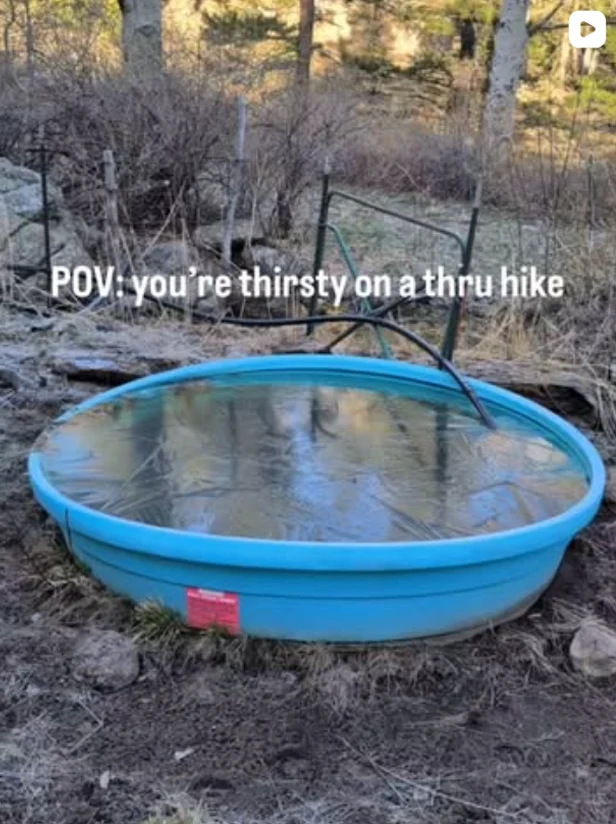



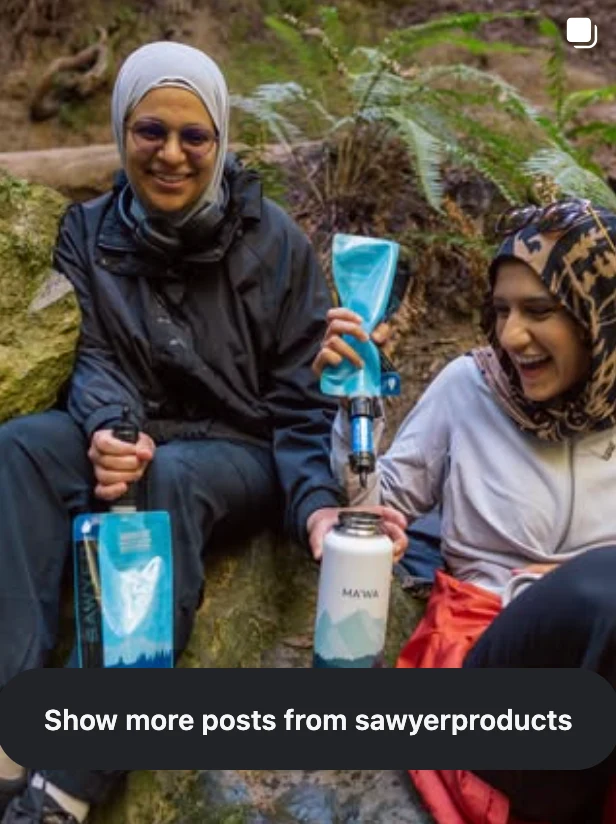

Find healthy water to treat your water to stay healthy in the backcountry.
Watch videoSickness-causing microorganisms in the water, called “pathogens,” are top reasons hikers bail on a big trip, says Chris Casserly with Outdoor Gear Exchange, an outdoor sports store in Burlington, Vermont. Casserly has conquered New Hampshire’s 4,000-foot peaks in both summer and winter, and has been camping and backpacking in the Northeast for the last 15 years.
“Take water treatment seriously,” Casserly says. “Getting sick on the trails is no fun.”
Getting diarrhea on the trail is one thing, but some illnesses can linger for months. Most nasty pathogens come from animal poop in the water.
In North America, these nasties include parasites, protozoa and bacteria, like giardia, cryptosporidium, e-coli and salmonella.
Treat all your water, including melted snow. Don’t assume water is clean, even if it looks clear. Choose your water source carefully. Running water is the best, and a murky puddle is the worst, Casserly says.
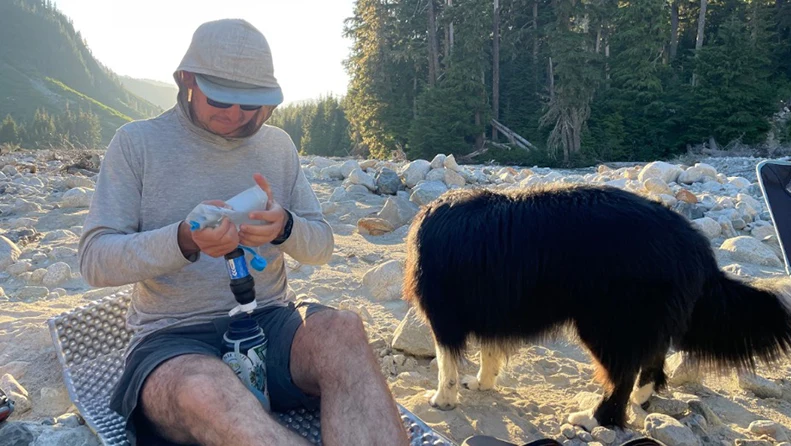
Fill your bottle from the middle of the source. Skim the surface with your hand to remove insects, leaves and other floaters. Keep particles down by not disturbing the water as you’re filling up. A rainstorm also stirs up particles in a water source, so avoid gathering water right after a storm.
Runoff is often the dirtiest water. If the water you plan to filter and drink isn’t clear, use a prefilter. Prefilters are available for many water filters.
Continue learning about ways to treat your water in the backcountry here.


Sickness-causing microorganisms in the water, called “pathogens,” are top reasons hikers bail on a big trip, says Chris Casserly with Outdoor Gear Exchange, an outdoor sports store in Burlington, Vermont. Casserly has conquered New Hampshire’s 4,000-foot peaks in both summer and winter, and has been camping and backpacking in the Northeast for the last 15 years.
“Take water treatment seriously,” Casserly says. “Getting sick on the trails is no fun.”
Getting diarrhea on the trail is one thing, but some illnesses can linger for months. Most nasty pathogens come from animal poop in the water.
In North America, these nasties include parasites, protozoa and bacteria, like giardia, cryptosporidium, e-coli and salmonella.
Treat all your water, including melted snow. Don’t assume water is clean, even if it looks clear. Choose your water source carefully. Running water is the best, and a murky puddle is the worst, Casserly says.
Fill your bottle from the middle of the source. Skim the surface with your hand to remove insects, leaves and other floaters. Keep particles down by not disturbing the water as you’re filling up. A rainstorm also stirs up particles in a water source, so avoid gathering water right after a storm.
Runoff is often the dirtiest water. If the water you plan to filter and drink isn’t clear, use a prefilter. Prefilters are available for many water filters.
Continue learning about ways to treat your water in the backcountry here.
Sickness-causing microorganisms in the water, called “pathogens,” are top reasons hikers bail on a big trip, says Chris Casserly with Outdoor Gear Exchange, an outdoor sports store in Burlington, Vermont. Casserly has conquered New Hampshire’s 4,000-foot peaks in both summer and winter, and has been camping and backpacking in the Northeast for the last 15 years.
“Take water treatment seriously,” Casserly says. “Getting sick on the trails is no fun.”
Getting diarrhea on the trail is one thing, but some illnesses can linger for months. Most nasty pathogens come from animal poop in the water.
In North America, these nasties include parasites, protozoa and bacteria, like giardia, cryptosporidium, e-coli and salmonella.
Treat all your water, including melted snow. Don’t assume water is clean, even if it looks clear. Choose your water source carefully. Running water is the best, and a murky puddle is the worst, Casserly says.
Fill your bottle from the middle of the source. Skim the surface with your hand to remove insects, leaves and other floaters. Keep particles down by not disturbing the water as you’re filling up. A rainstorm also stirs up particles in a water source, so avoid gathering water right after a storm.
Runoff is often the dirtiest water. If the water you plan to filter and drink isn’t clear, use a prefilter. Prefilters are available for many water filters.
Continue learning about ways to treat your water in the backcountry here.
More Than an Outdoor Company.

