





Follow us on Instagram
More Than an Outdoor Company.

@sawyerproducts
Follow us on Instagram









How to choose the best bug repellent and a list of the 12 best mosquito repellents
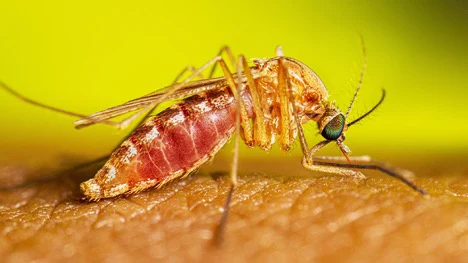
Watch videoAh, the sweet summer months are now upon us, which means picnics in the park, fun BBQ ideas, days at the pool…and mosquitos. Hopefully, you don’t live in one of the most mosquito infected cities in the US, but you can still get bitten almost anywhere.
And although mosquitos have not been shown to transmit COVID, they can ruin your evening and leave you itching and scratching for days. Luckily, there are plenty of safe and simple ways to keep mosquitos at bay, from plants that repel mosquitos and natural bug repellents to mosquito-repelling lawn treatments and EPA-approved bug sprays. The challenge is to pick the right one.
“When choosing a personal repellent, make sure you match your insect repellent to the environment you are going to be in, as well as your activity,” says Tania Elliott, MD, an internist, allergist, and immunologist. “Different repellents offer a varied range of active ingredients, strengths, and lengths of protection.” Keep in mind: “The higher the percentage of the active ingredient (i.e. DEET), the longer one application will last,” she adds.
The mosquito repellent you use in your yard should not be the same kind you use on your body.
For skin:
According to the U.S. Centers for Disease Control and Prevention (CDC), these mosquito repellent ingredients are EPA-approved and safe for use—even by pregnant or breastfeeding women:
For yards and large areas: The above ingredients won’t be as effective on large spaces. These are the recommended active ingredients for large-scale adult mosquito treatments in residential settings:
You may also want to invest in one of these best bug zappers.
If your interested in learning more about the best mosquito repellents to help keep your family protected, continue reading the complete article written by Maryn Liles here.


Ah, the sweet summer months are now upon us, which means picnics in the park, fun BBQ ideas, days at the pool…and mosquitos. Hopefully, you don’t live in one of the most mosquito infected cities in the US, but you can still get bitten almost anywhere.
And although mosquitos have not been shown to transmit COVID, they can ruin your evening and leave you itching and scratching for days. Luckily, there are plenty of safe and simple ways to keep mosquitos at bay, from plants that repel mosquitos and natural bug repellents to mosquito-repelling lawn treatments and EPA-approved bug sprays. The challenge is to pick the right one.
“When choosing a personal repellent, make sure you match your insect repellent to the environment you are going to be in, as well as your activity,” says Tania Elliott, MD, an internist, allergist, and immunologist. “Different repellents offer a varied range of active ingredients, strengths, and lengths of protection.” Keep in mind: “The higher the percentage of the active ingredient (i.e. DEET), the longer one application will last,” she adds.
The mosquito repellent you use in your yard should not be the same kind you use on your body.
For skin:
According to the U.S. Centers for Disease Control and Prevention (CDC), these mosquito repellent ingredients are EPA-approved and safe for use—even by pregnant or breastfeeding women:
For yards and large areas: The above ingredients won’t be as effective on large spaces. These are the recommended active ingredients for large-scale adult mosquito treatments in residential settings:
You may also want to invest in one of these best bug zappers.
If your interested in learning more about the best mosquito repellents to help keep your family protected, continue reading the complete article written by Maryn Liles here.
Ah, the sweet summer months are now upon us, which means picnics in the park, fun BBQ ideas, days at the pool…and mosquitos. Hopefully, you don’t live in one of the most mosquito infected cities in the US, but you can still get bitten almost anywhere.
And although mosquitos have not been shown to transmit COVID, they can ruin your evening and leave you itching and scratching for days. Luckily, there are plenty of safe and simple ways to keep mosquitos at bay, from plants that repel mosquitos and natural bug repellents to mosquito-repelling lawn treatments and EPA-approved bug sprays. The challenge is to pick the right one.
“When choosing a personal repellent, make sure you match your insect repellent to the environment you are going to be in, as well as your activity,” says Tania Elliott, MD, an internist, allergist, and immunologist. “Different repellents offer a varied range of active ingredients, strengths, and lengths of protection.” Keep in mind: “The higher the percentage of the active ingredient (i.e. DEET), the longer one application will last,” she adds.
The mosquito repellent you use in your yard should not be the same kind you use on your body.
For skin:
According to the U.S. Centers for Disease Control and Prevention (CDC), these mosquito repellent ingredients are EPA-approved and safe for use—even by pregnant or breastfeeding women:
For yards and large areas: The above ingredients won’t be as effective on large spaces. These are the recommended active ingredients for large-scale adult mosquito treatments in residential settings:
You may also want to invest in one of these best bug zappers.
If your interested in learning more about the best mosquito repellents to help keep your family protected, continue reading the complete article written by Maryn Liles here.
More Than an Outdoor Company.

