




Follow us on Instagram
More Than an Outdoor Company.

@sawyerproducts
Follow us on Instagram










Medically reviewed by Dr. Mamta Sahu (MBBS, DGO (OB/GYN))
February 1, 2022 Written by Rebecca Malachi
Insects and bugs are a natural part of our environment, so it’s not possible to stay away from them. While some insects are harmless, others can be dangerous and should be avoided with insect repellents. However, you may be confused if you should use insect repellent when pregnant since some of the components in the repellents may harm you or your baby. So, we have answered your questions and included more information about insect repellents to help you out.
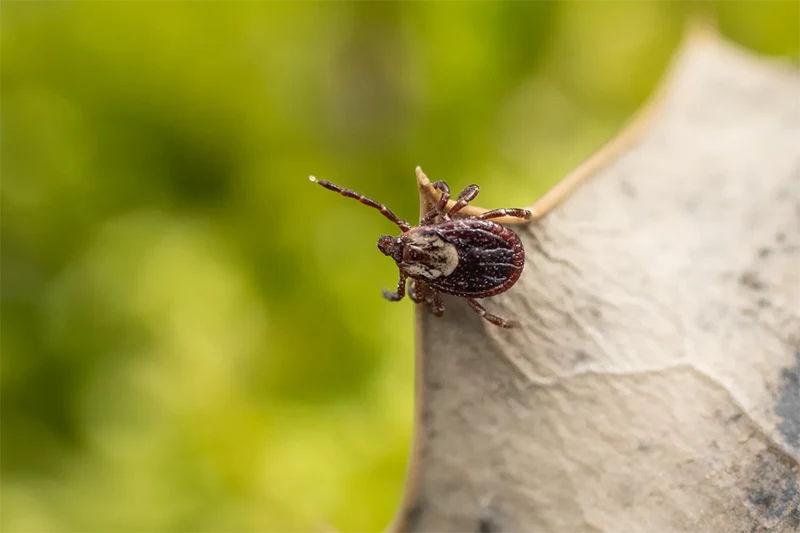
Insect repellents are sprays, oils or lotions that, when applied to skin, clothes or bed nets, prevent the insects from biting (1). They reduce the likeliness of bites from mosquitoes, spiders, flies or ticks, and thereby lower the chances of serious diseases such as malaria, Zika virus, West Nile virus or Lyme disease caused by these insects. Since these illnesses are very harmful to you and your baby, it is essential to use insect repellents to prevents the bites.
Yes, insect repellents are considered safe during pregnancy when you use them as recommended. Most insect repellents contain an active chemical, DEET (N, N-diethyl-meta-toluamide), which is an effective insecticide and safe to use in limited quantities (recommended concentration of DEET is 35% – 50%) (2).
Want a bit of confidence in using insect repellent when Pregnant? Head here to continue reading the complete article.


Medically reviewed by Dr. Mamta Sahu (MBBS, DGO (OB/GYN))
February 1, 2022 Written by Rebecca Malachi
Insects and bugs are a natural part of our environment, so it’s not possible to stay away from them. While some insects are harmless, others can be dangerous and should be avoided with insect repellents. However, you may be confused if you should use insect repellent when pregnant since some of the components in the repellents may harm you or your baby. So, we have answered your questions and included more information about insect repellents to help you out.
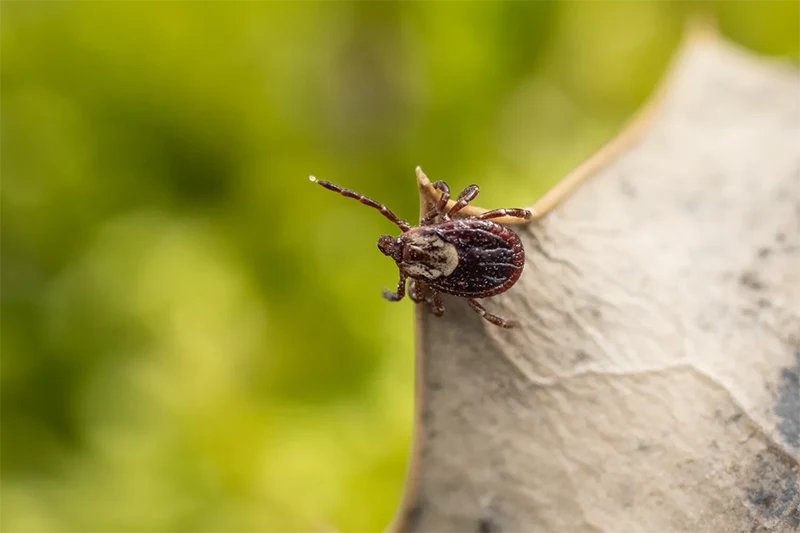
Insect repellents are sprays, oils or lotions that, when applied to skin, clothes or bed nets, prevent the insects from biting (1). They reduce the likeliness of bites from mosquitoes, spiders, flies or ticks, and thereby lower the chances of serious diseases such as malaria, Zika virus, West Nile virus or Lyme disease caused by these insects. Since these illnesses are very harmful to you and your baby, it is essential to use insect repellents to prevents the bites.
Yes, insect repellents are considered safe during pregnancy when you use them as recommended. Most insect repellents contain an active chemical, DEET (N, N-diethyl-meta-toluamide), which is an effective insecticide and safe to use in limited quantities (recommended concentration of DEET is 35% – 50%) (2).
Want a bit of confidence in using insect repellent when Pregnant? Head here to continue reading the complete article.
Medically reviewed by Dr. Mamta Sahu (MBBS, DGO (OB/GYN))
February 1, 2022 Written by Rebecca Malachi
Insects and bugs are a natural part of our environment, so it’s not possible to stay away from them. While some insects are harmless, others can be dangerous and should be avoided with insect repellents. However, you may be confused if you should use insect repellent when pregnant since some of the components in the repellents may harm you or your baby. So, we have answered your questions and included more information about insect repellents to help you out.
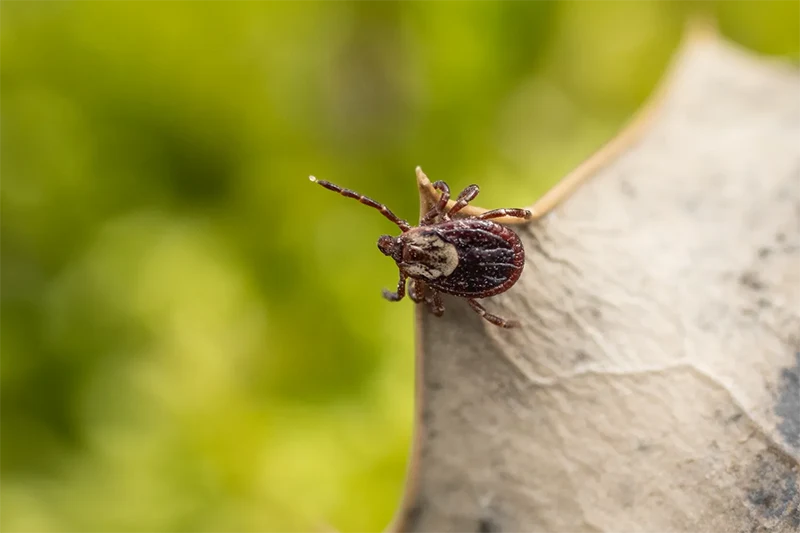
Insect repellents are sprays, oils or lotions that, when applied to skin, clothes or bed nets, prevent the insects from biting (1). They reduce the likeliness of bites from mosquitoes, spiders, flies or ticks, and thereby lower the chances of serious diseases such as malaria, Zika virus, West Nile virus or Lyme disease caused by these insects. Since these illnesses are very harmful to you and your baby, it is essential to use insect repellents to prevents the bites.
Yes, insect repellents are considered safe during pregnancy when you use them as recommended. Most insect repellents contain an active chemical, DEET (N, N-diethyl-meta-toluamide), which is an effective insecticide and safe to use in limited quantities (recommended concentration of DEET is 35% – 50%) (2).
Want a bit of confidence in using insect repellent when Pregnant? Head here to continue reading the complete article.
More Than an Outdoor Company.

