





Follow us on Instagram
More Than an Outdoor Company.

@sawyerproducts
Follow us on Instagram







Written by Jenny White
To stay safely hydrated on the go, having one of the best portable water filters makes things simple. The best pick for you will filter at a level that suits your needs when it comes to potential contaminants and come in a style that’s convenient for you. The water filter should also be lightweight and small in size, so it’s easy to transport.
When looking for your ideal water filter, prioritize finding one that can remove any contaminants that you could encounter in your water — and this will vary greatly based on where and how you’re accessing the water (for example, tap water compared with river water). Tap water is considered safe to drink in most parts of the U.S. and Canada, but it may contain small amounts of material that can impact the taste, such as chlorine or minerals like copper. If you don’t like these flavors in your tap water, look for an option with an activated carbon filter that’ll filter these out. If you’re drinking untreated water while camping, backpacking, or traveling, be extra cautious when selecting a product to ensure it’s capable of removing harmful contaminants that could potentially make you sick.
Pay attention to the size of the pores in the filter, which are measured in microns; filters with a micron size of 1 or less can filter out parasitic larvae, eggs, and protozoa, while options with a micron size of 0.4 or less will remove bacteria too. While viruses in your water aren’t a big threat in most of North America, you may want to choose a filter with a purifier that can also eliminate viruses (or at least use purifying tablets in addition to a filter) if you’re concerned. Most manufacturers list the contaminants its filters are capable of removing, so you should use this as a guide when possible. Just note that none of the options below will desalinate water, so they shouldn’t be used on saltwater sources.
Once you know what level of filtration you require, consider the style of portable water filter that best aligns with your needs. If you want to carry water around with you, a filtered water bottle is the perfect option. Pick a bottle that can hold enough water for your adventures, and think about whether you prefer a sturdy, hard-sided option or one that’s collapsible for easy storage once empty. If you don’t want to use a water bottle with a built-in filter, look for a water filter that attaches directly to a regular water bottle or hydration pack.
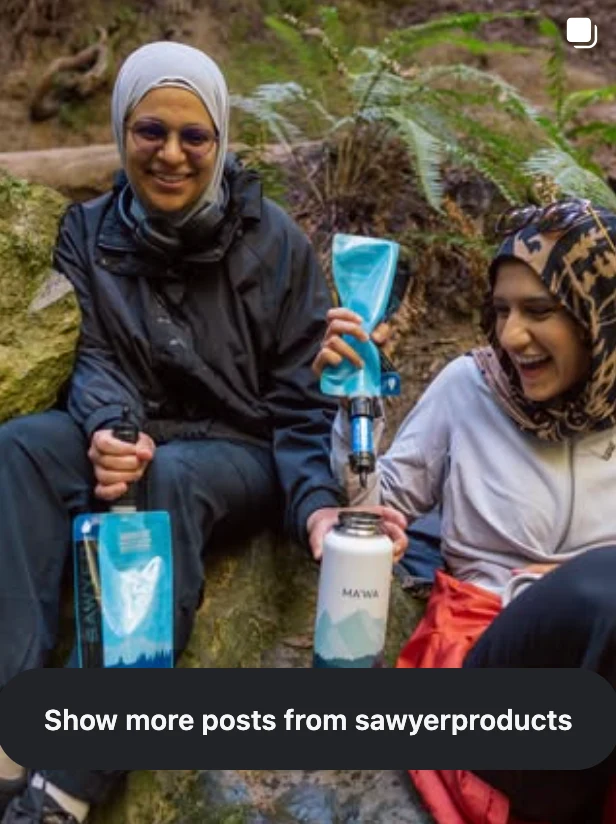
Want to drink straight from a body of water? There are a few filters that will allow you to do so, including straw-style options or a hand pump that requires you to pump the water through the filter to make it safe to drink. If you’re setting up camp, a gravity filter can be useful to have on hand — these hold a lot of water but take some time to filter it, so they might make the most sense for an overnight stay. Before you start filtering water, always take note of how long your filter will last before it needs to be replaced, too.
These eight water filters are all highly portable, ensuring clean, tasty water wherever you may be.


Written by Jenny White
To stay safely hydrated on the go, having one of the best portable water filters makes things simple. The best pick for you will filter at a level that suits your needs when it comes to potential contaminants and come in a style that’s convenient for you. The water filter should also be lightweight and small in size, so it’s easy to transport.
When looking for your ideal water filter, prioritize finding one that can remove any contaminants that you could encounter in your water — and this will vary greatly based on where and how you’re accessing the water (for example, tap water compared with river water). Tap water is considered safe to drink in most parts of the U.S. and Canada, but it may contain small amounts of material that can impact the taste, such as chlorine or minerals like copper. If you don’t like these flavors in your tap water, look for an option with an activated carbon filter that’ll filter these out. If you’re drinking untreated water while camping, backpacking, or traveling, be extra cautious when selecting a product to ensure it’s capable of removing harmful contaminants that could potentially make you sick.
Pay attention to the size of the pores in the filter, which are measured in microns; filters with a micron size of 1 or less can filter out parasitic larvae, eggs, and protozoa, while options with a micron size of 0.4 or less will remove bacteria too. While viruses in your water aren’t a big threat in most of North America, you may want to choose a filter with a purifier that can also eliminate viruses (or at least use purifying tablets in addition to a filter) if you’re concerned. Most manufacturers list the contaminants its filters are capable of removing, so you should use this as a guide when possible. Just note that none of the options below will desalinate water, so they shouldn’t be used on saltwater sources.
Once you know what level of filtration you require, consider the style of portable water filter that best aligns with your needs. If you want to carry water around with you, a filtered water bottle is the perfect option. Pick a bottle that can hold enough water for your adventures, and think about whether you prefer a sturdy, hard-sided option or one that’s collapsible for easy storage once empty. If you don’t want to use a water bottle with a built-in filter, look for a water filter that attaches directly to a regular water bottle or hydration pack.
Want to drink straight from a body of water? There are a few filters that will allow you to do so, including straw-style options or a hand pump that requires you to pump the water through the filter to make it safe to drink. If you’re setting up camp, a gravity filter can be useful to have on hand — these hold a lot of water but take some time to filter it, so they might make the most sense for an overnight stay. Before you start filtering water, always take note of how long your filter will last before it needs to be replaced, too.
These eight water filters are all highly portable, ensuring clean, tasty water wherever you may be.
Written by Jenny White
To stay safely hydrated on the go, having one of the best portable water filters makes things simple. The best pick for you will filter at a level that suits your needs when it comes to potential contaminants and come in a style that’s convenient for you. The water filter should also be lightweight and small in size, so it’s easy to transport.
When looking for your ideal water filter, prioritize finding one that can remove any contaminants that you could encounter in your water — and this will vary greatly based on where and how you’re accessing the water (for example, tap water compared with river water). Tap water is considered safe to drink in most parts of the U.S. and Canada, but it may contain small amounts of material that can impact the taste, such as chlorine or minerals like copper. If you don’t like these flavors in your tap water, look for an option with an activated carbon filter that’ll filter these out. If you’re drinking untreated water while camping, backpacking, or traveling, be extra cautious when selecting a product to ensure it’s capable of removing harmful contaminants that could potentially make you sick.
Pay attention to the size of the pores in the filter, which are measured in microns; filters with a micron size of 1 or less can filter out parasitic larvae, eggs, and protozoa, while options with a micron size of 0.4 or less will remove bacteria too. While viruses in your water aren’t a big threat in most of North America, you may want to choose a filter with a purifier that can also eliminate viruses (or at least use purifying tablets in addition to a filter) if you’re concerned. Most manufacturers list the contaminants its filters are capable of removing, so you should use this as a guide when possible. Just note that none of the options below will desalinate water, so they shouldn’t be used on saltwater sources.
Once you know what level of filtration you require, consider the style of portable water filter that best aligns with your needs. If you want to carry water around with you, a filtered water bottle is the perfect option. Pick a bottle that can hold enough water for your adventures, and think about whether you prefer a sturdy, hard-sided option or one that’s collapsible for easy storage once empty. If you don’t want to use a water bottle with a built-in filter, look for a water filter that attaches directly to a regular water bottle or hydration pack.
Want to drink straight from a body of water? There are a few filters that will allow you to do so, including straw-style options or a hand pump that requires you to pump the water through the filter to make it safe to drink. If you’re setting up camp, a gravity filter can be useful to have on hand — these hold a lot of water but take some time to filter it, so they might make the most sense for an overnight stay. Before you start filtering water, always take note of how long your filter will last before it needs to be replaced, too.
These eight water filters are all highly portable, ensuring clean, tasty water wherever you may be.
More Than an Outdoor Company.

