





Follow us on Instagram
More Than an Outdoor Company.

@sawyerproducts
Follow us on Instagram




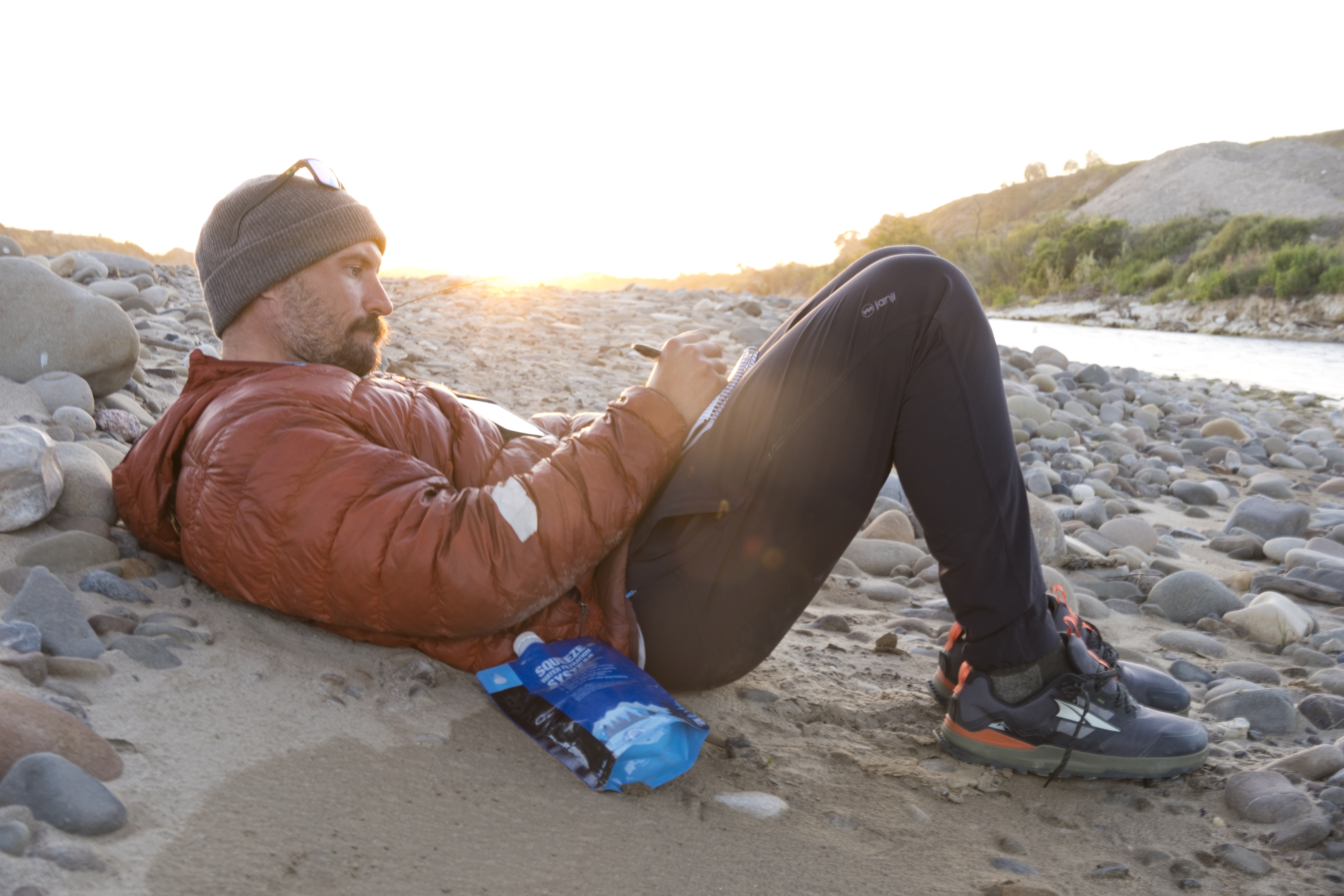
A guide to purifiers and filters to ensure clean water while camping
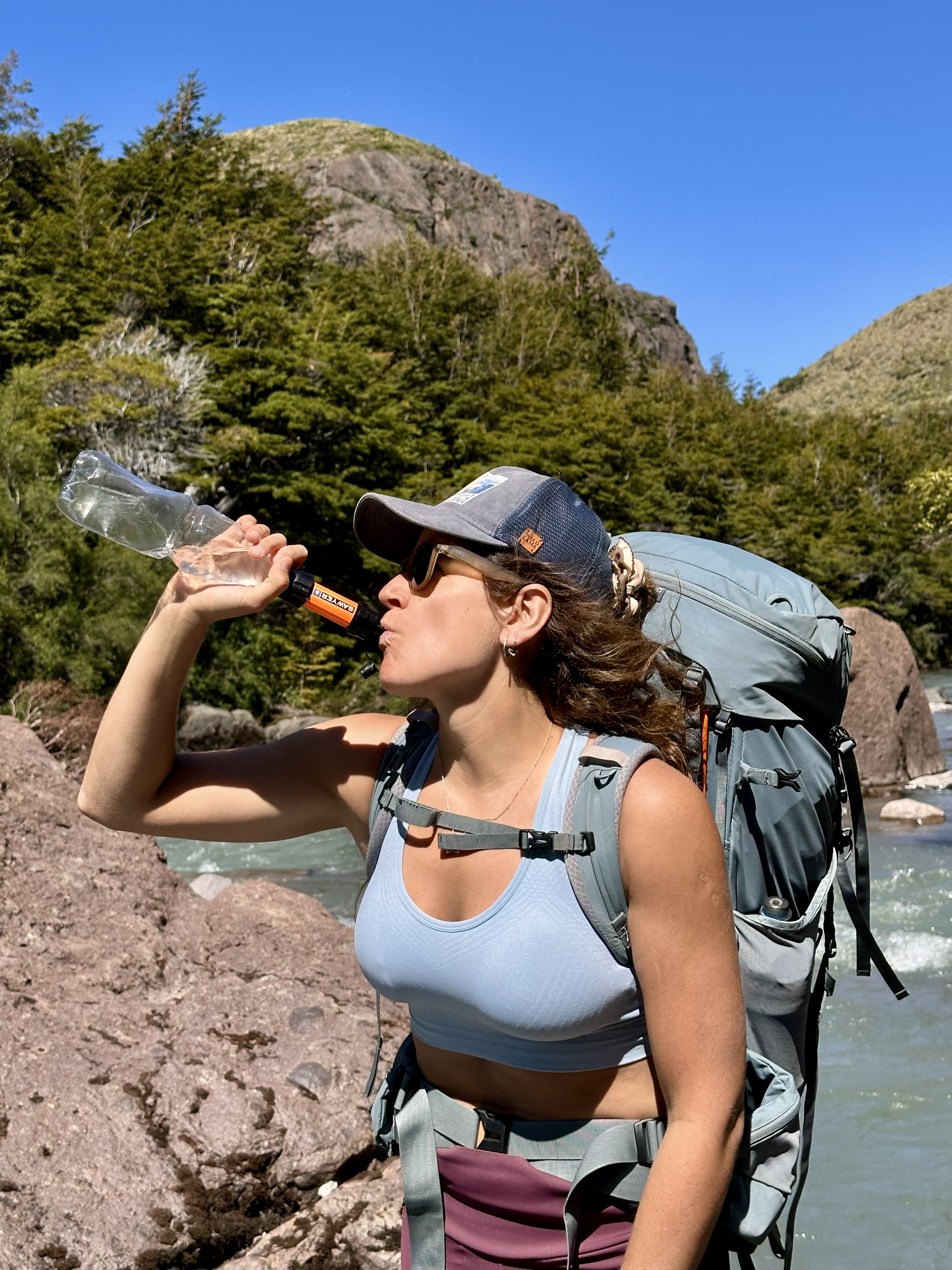
Watch videoClean drinking water should be your top priority on any backcountry trip. These purifiers and filters ensure you’re always drinking clean water, whether you’re by reservoirs or puddles.
Water is the most important consideration in any adventure. Unless you want to be lugging around liters and liters of H2O, or you have the water retention capacities of a camel, you’ll need a plan for obtaining clean, bacteria-free water on your adventure.
Some hikes are blessed with springs and streams so crystal clear that you can drink filter-quality water straight from the source; others have little more than murky puddles. Camping in the Argentinian desert, I drank water the color of weak tea, silt-filled and disgusting. It was safe to drink, but tasted like sludge. I’d purified the water, but I hadn’t filtered it, and it’s not an experience that I’m keen to repeat. So how do you know whether your water needs purifying or filtering, and which purifier or filter should you go for? Let me impart my wisdom.
First, let’s look at why we filter and/or purify water. There are five main reasons: to get rid of viruses, bacteria, parasites, chemical pollutants, and turbidity (essentially, the gunk and mud that makes your water taste and look unappetizing, just as mine did in the desert). Drinking contaminated water will make you very sick, and can even have fatal consequences.
Water filters are great against everything except viruses. In countries where sewage systems are less advanced, a filter is often not sufficient, and you’ll need to purify your water. Purifiers, however, do nothing against turbidity. The most important thing is to research your destination before you set off to check whether a filter or purifier is most practical.
If you are interested in learning more about how to choose a water purifier or filter for camping, continue reading the complete article here.


Clean drinking water should be your top priority on any backcountry trip. These purifiers and filters ensure you’re always drinking clean water, whether you’re by reservoirs or puddles.
Water is the most important consideration in any adventure. Unless you want to be lugging around liters and liters of H2O, or you have the water retention capacities of a camel, you’ll need a plan for obtaining clean, bacteria-free water on your adventure.
Some hikes are blessed with springs and streams so crystal clear that you can drink filter-quality water straight from the source; others have little more than murky puddles. Camping in the Argentinian desert, I drank water the color of weak tea, silt-filled and disgusting. It was safe to drink, but tasted like sludge. I’d purified the water, but I hadn’t filtered it, and it’s not an experience that I’m keen to repeat. So how do you know whether your water needs purifying or filtering, and which purifier or filter should you go for? Let me impart my wisdom.
First, let’s look at why we filter and/or purify water. There are five main reasons: to get rid of viruses, bacteria, parasites, chemical pollutants, and turbidity (essentially, the gunk and mud that makes your water taste and look unappetizing, just as mine did in the desert). Drinking contaminated water will make you very sick, and can even have fatal consequences.
Water filters are great against everything except viruses. In countries where sewage systems are less advanced, a filter is often not sufficient, and you’ll need to purify your water. Purifiers, however, do nothing against turbidity. The most important thing is to research your destination before you set off to check whether a filter or purifier is most practical.
If you are interested in learning more about how to choose a water purifier or filter for camping, continue reading the complete article here.
Clean drinking water should be your top priority on any backcountry trip. These purifiers and filters ensure you’re always drinking clean water, whether you’re by reservoirs or puddles.
Water is the most important consideration in any adventure. Unless you want to be lugging around liters and liters of H2O, or you have the water retention capacities of a camel, you’ll need a plan for obtaining clean, bacteria-free water on your adventure.
Some hikes are blessed with springs and streams so crystal clear that you can drink filter-quality water straight from the source; others have little more than murky puddles. Camping in the Argentinian desert, I drank water the color of weak tea, silt-filled and disgusting. It was safe to drink, but tasted like sludge. I’d purified the water, but I hadn’t filtered it, and it’s not an experience that I’m keen to repeat. So how do you know whether your water needs purifying or filtering, and which purifier or filter should you go for? Let me impart my wisdom.
First, let’s look at why we filter and/or purify water. There are five main reasons: to get rid of viruses, bacteria, parasites, chemical pollutants, and turbidity (essentially, the gunk and mud that makes your water taste and look unappetizing, just as mine did in the desert). Drinking contaminated water will make you very sick, and can even have fatal consequences.
Water filters are great against everything except viruses. In countries where sewage systems are less advanced, a filter is often not sufficient, and you’ll need to purify your water. Purifiers, however, do nothing against turbidity. The most important thing is to research your destination before you set off to check whether a filter or purifier is most practical.
If you are interested in learning more about how to choose a water purifier or filter for camping, continue reading the complete article here.
More Than an Outdoor Company.

