



Follow us on Instagram
More Than an Outdoor Company.

@sawyerproducts
Follow us on Instagram
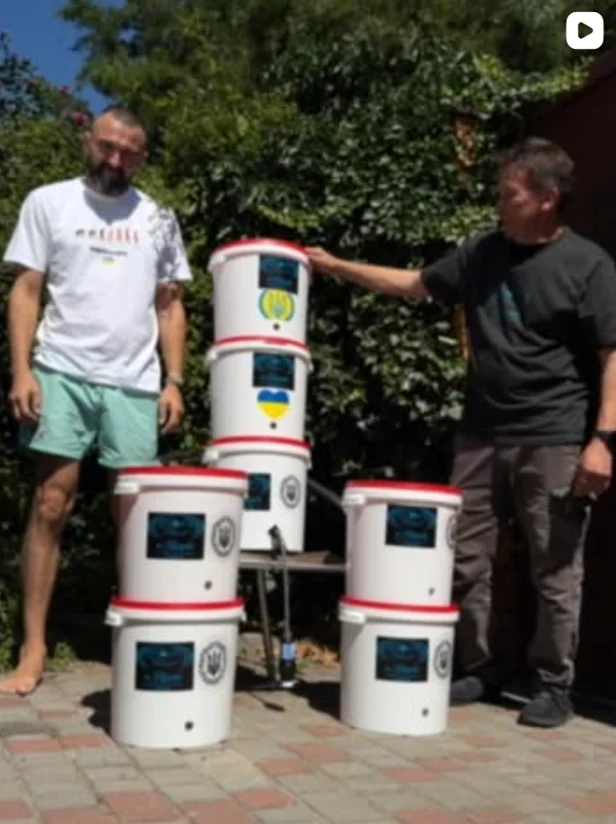


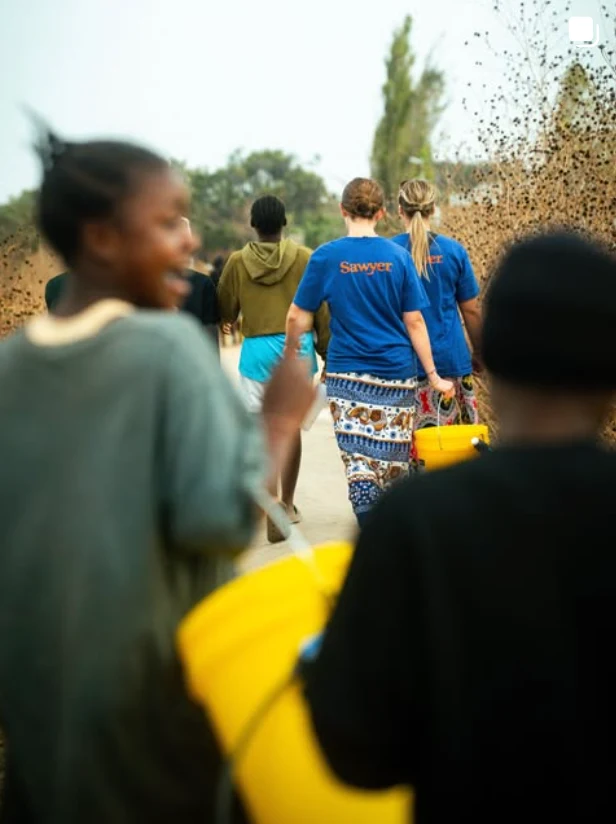

A group of Hope College students researching global water issues in 25 countries.
Watch videoA group of Hope College students researching global water issues in 25 countries are tracking what they think could be a worldwide solution to unsafe drinking water.
Hope College has partnered with Florida-based Sawyer Products and Give Clean Water, a California-based nonprofit, to help provide clean water to residents in Fiji. Devastation still lingers there after three hurricanes pummeled the island in the past two years, leaving about 500,000 people -- nearly 50 percent of the island’s population – without access to safe water.
Read the full article by Kyle Moroney on Hope College's website.


A group of Hope College students researching global water issues in 25 countries are tracking what they think could be a worldwide solution to unsafe drinking water.
Hope College has partnered with Florida-based Sawyer Products and Give Clean Water, a California-based nonprofit, to help provide clean water to residents in Fiji. Devastation still lingers there after three hurricanes pummeled the island in the past two years, leaving about 500,000 people -- nearly 50 percent of the island’s population – without access to safe water.
Read the full article by Kyle Moroney on Hope College's website.
A group of Hope College students researching global water issues in 25 countries are tracking what they think could be a worldwide solution to unsafe drinking water.
Hope College has partnered with Florida-based Sawyer Products and Give Clean Water, a California-based nonprofit, to help provide clean water to residents in Fiji. Devastation still lingers there after three hurricanes pummeled the island in the past two years, leaving about 500,000 people -- nearly 50 percent of the island’s population – without access to safe water.
Read the full article by Kyle Moroney on Hope College's website.
More Than an Outdoor Company.

