


%20copy.webp)




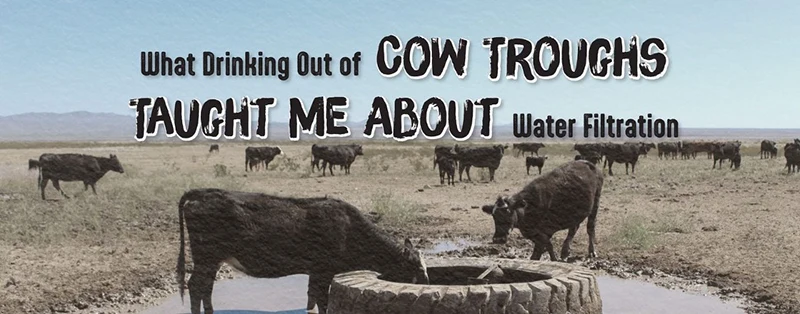

Follow us on Instagram
More Than an Outdoor Company.

@sawyerproducts
Follow us on Instagram
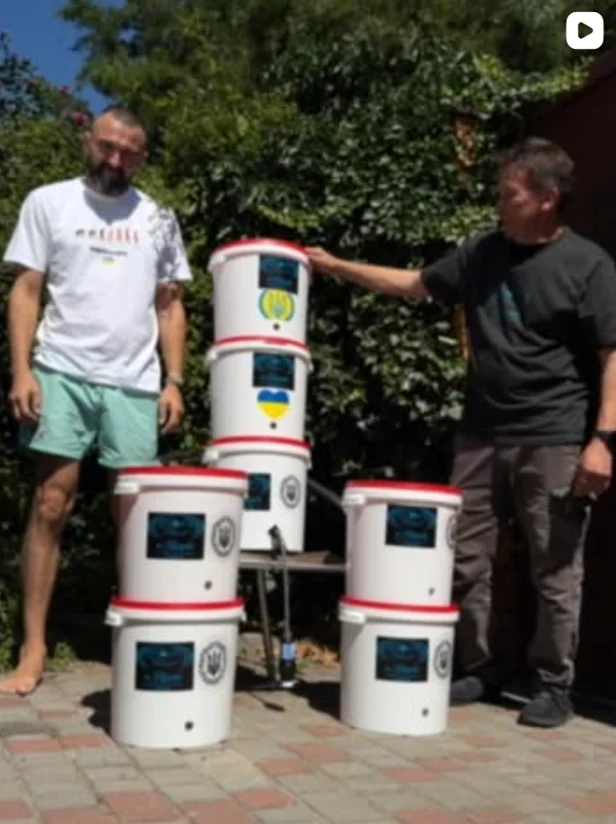
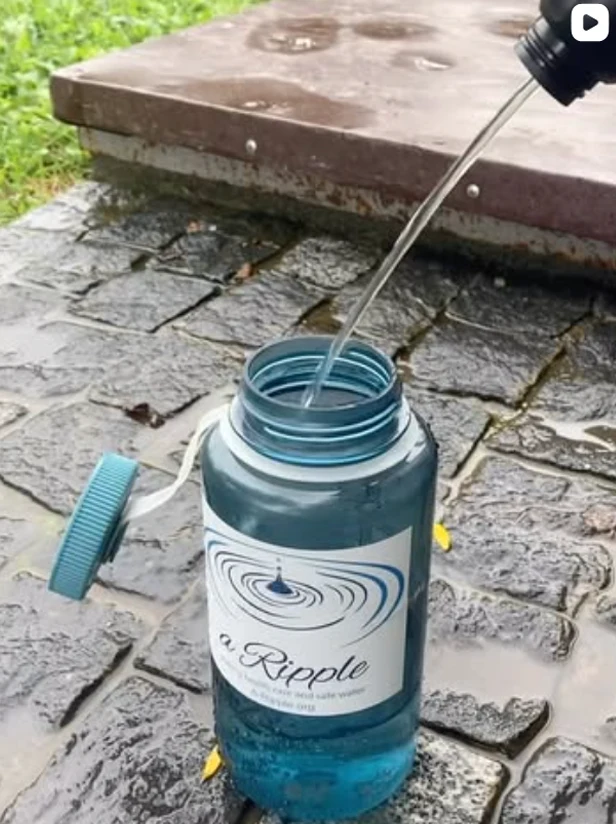

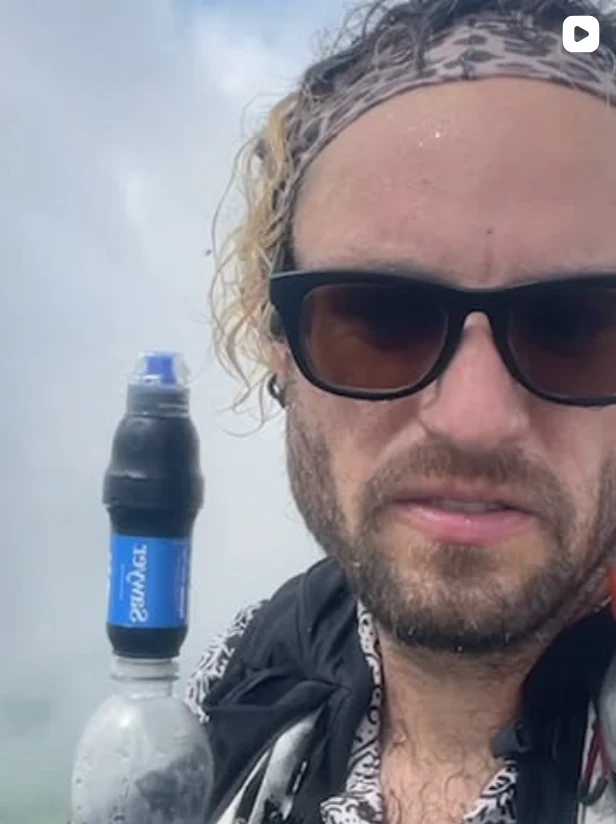


Nothing tastes better than freshly filtered water from an alpine lake, and Riza's recounting of this magical moment in the mountains is one for the books
Watch videoThe rain droplets greet my shoulders, piece by piece. The further I step upward, the faster the drops fall. Yet, a smile remains etched on my face. I close my eyes for a moment, avoiding the rain that begins to dampen my face. Then I realize, even with my eyes shut, what I see behind my eyelids is still a sweep of clear, vivid green.
I am in one of the most beautiful places in the world. My version, perhaps. I don’t know about others, but to me, this place is extraordinarily beautiful! I will not stop my steps, turn back on my intentions, or anything of the sort, even if a storm were to break out today.
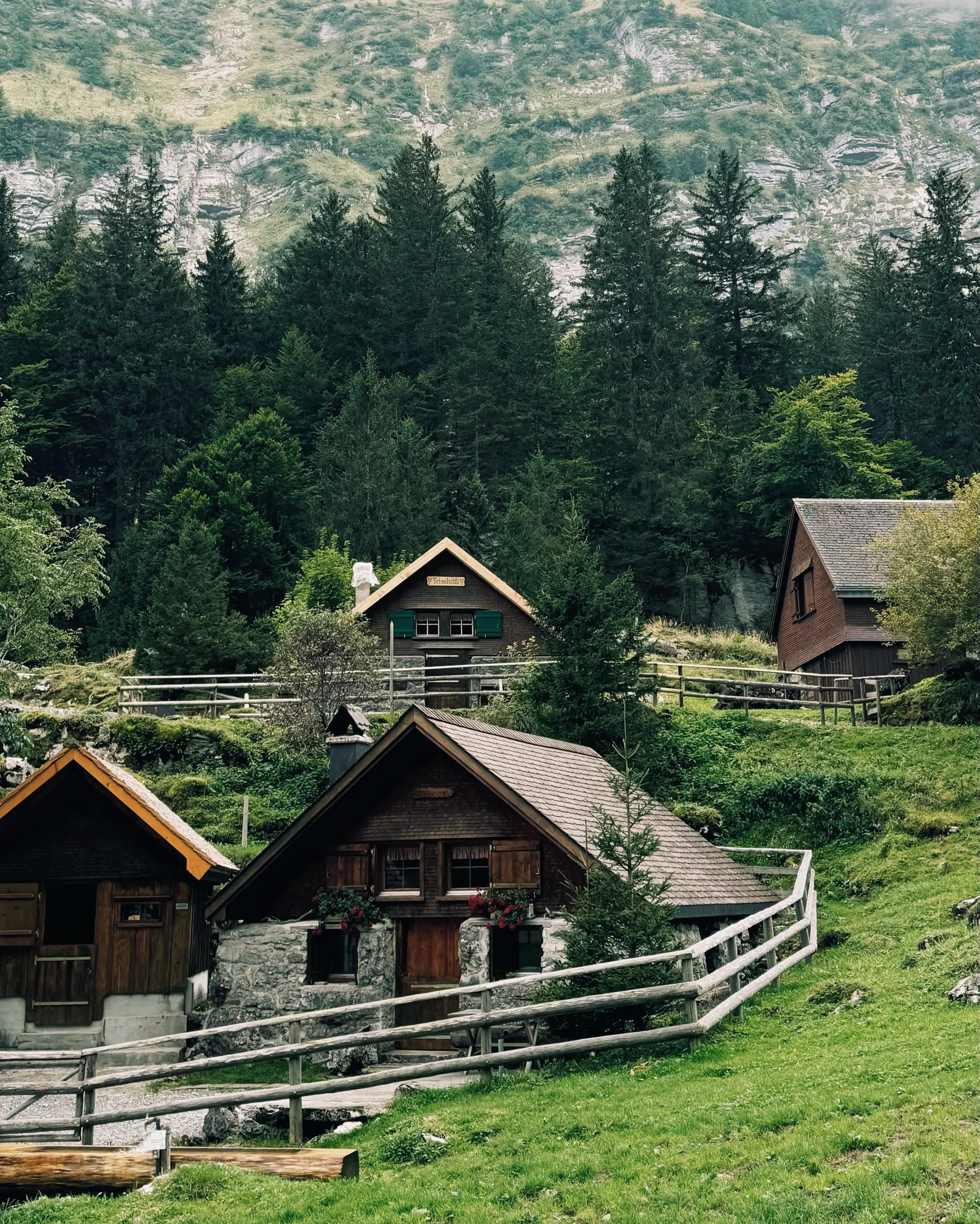
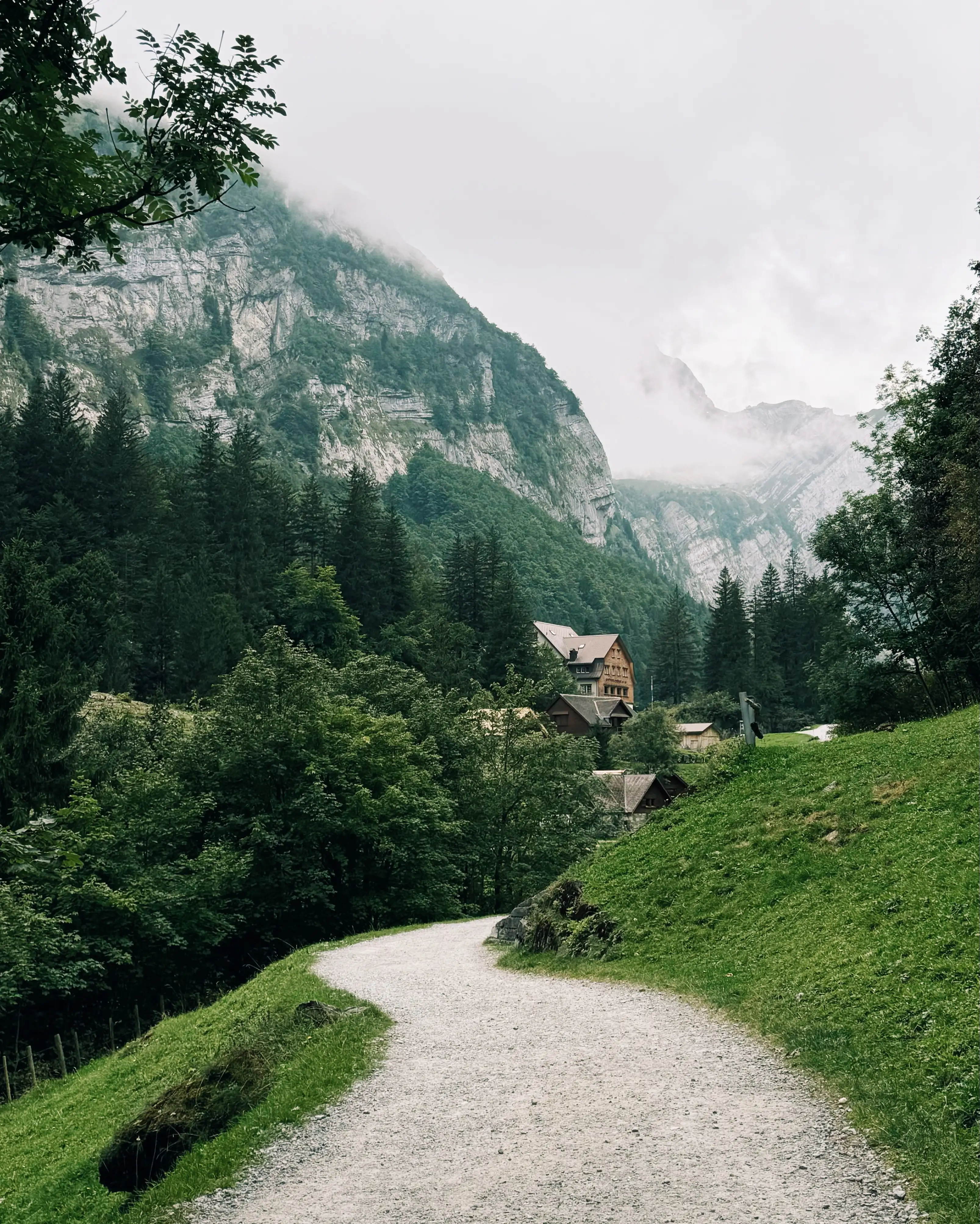
“Klang.. Klong..” Even the cows are calling out to me through the clanging of their bells, telling me not to turn back. Though I see a few other hikers starting to turn around due to the poor weather, I keep moving forward, and of course, I keep smiling. The clusters of grey clouds hugging the limestone cliffs do not look happy to welcome my arrival, but isn't it precisely this misty view that symbolizes the peaceful atmosphere of the mountains? I often seek out this exact magical ambiance when hiking back home in the Indonesian mountains, dominated by warm weather.
“Ah.. you are still beautiful,” I murmur as I step slowly because the path has begun to climb steeply. I feel my jacket growing heavy with rainwater.
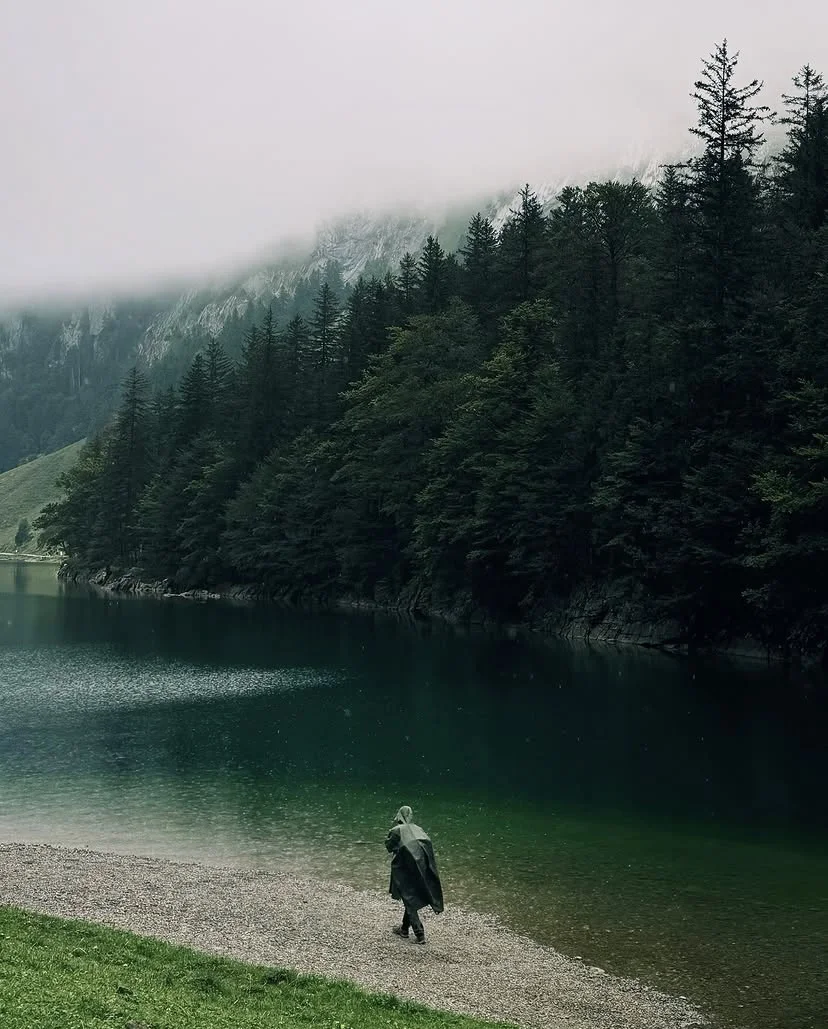
Everyone might assume that the Alps are the embodiment of real ecological purity, like a territory so sterile, protected, and orderly. That day, I was doing a simple hike in the Alpstein region, a sub-region of the Swiss Alps located in the smallest canton in Switzerland by population: Appenzell Innerrhoden. What inspired me to visit this area was, of course, the context of its "population." After all, visiting one of the most beautiful lakes in Switzerland only requires about a constant hour of hiking from Wasserauen Station (the final stop of the local Appenzeller Bahnen train).
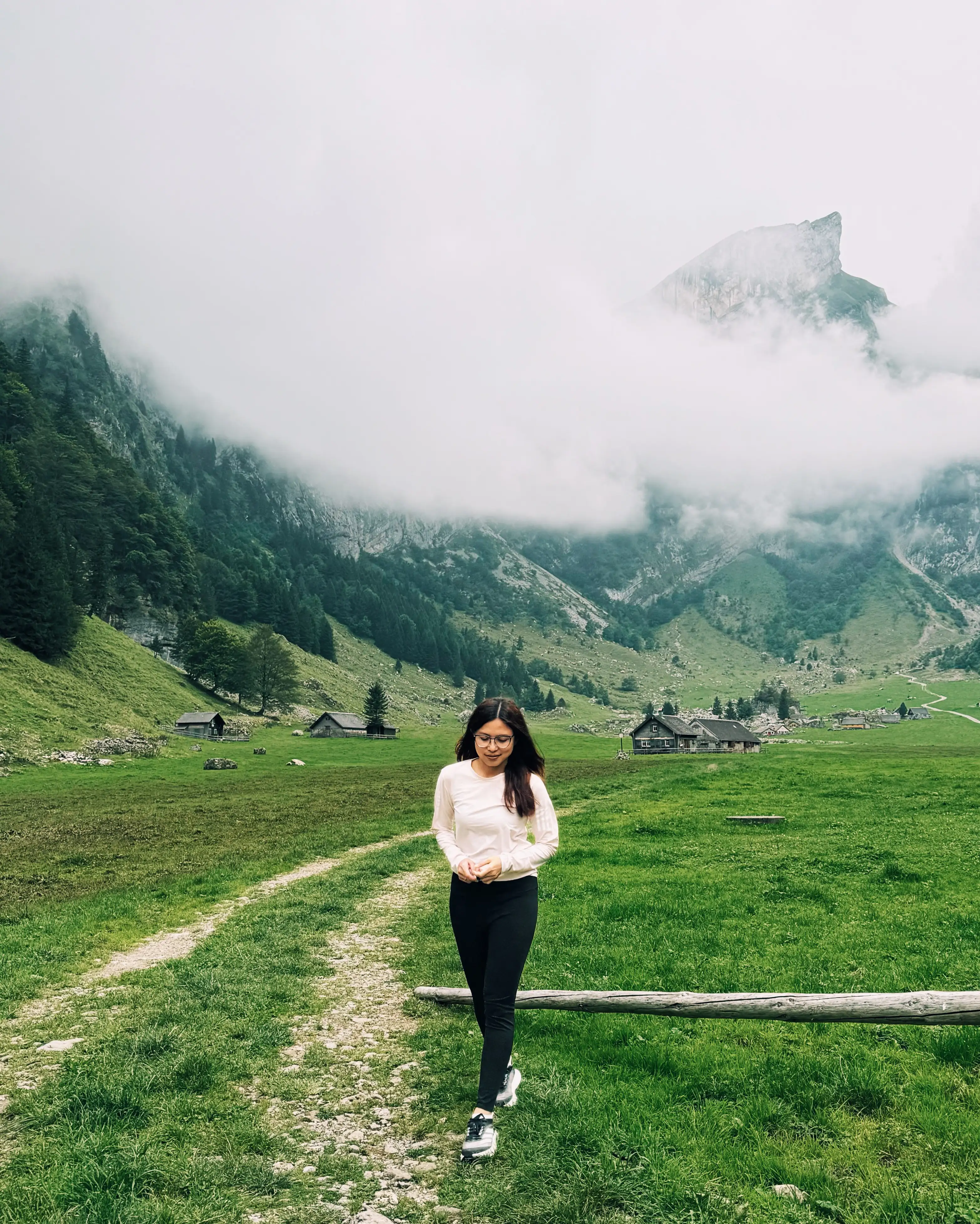
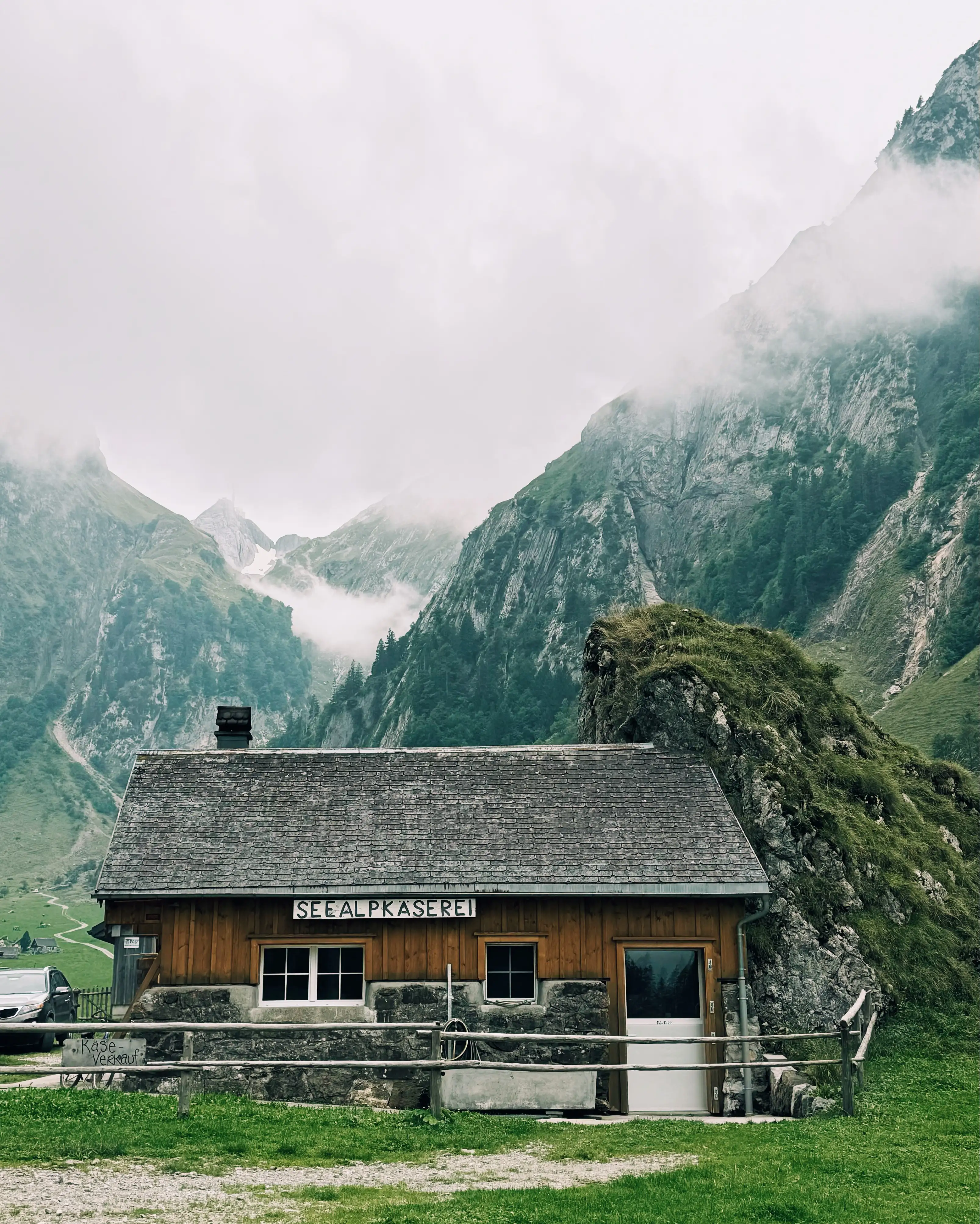
The grey mist finally loosens, leaving behind beautiful remnants of cold dew hanging sweetly from the edges of the old European Larch (Larix decidua) and Norwegian Spruce (Picea abies) branches. After passing through the dense canopy of those pine trees, the path slowly dives down, successfully delivering me into a giant bowl at an altitude of 1,143 meters above sea level. Seealpsee, an Alpine mountain lake with crystal-clear, transparent green water, is sandwiched dramatically beneath the shadow of Mount Säntis's giant rocky ridge.
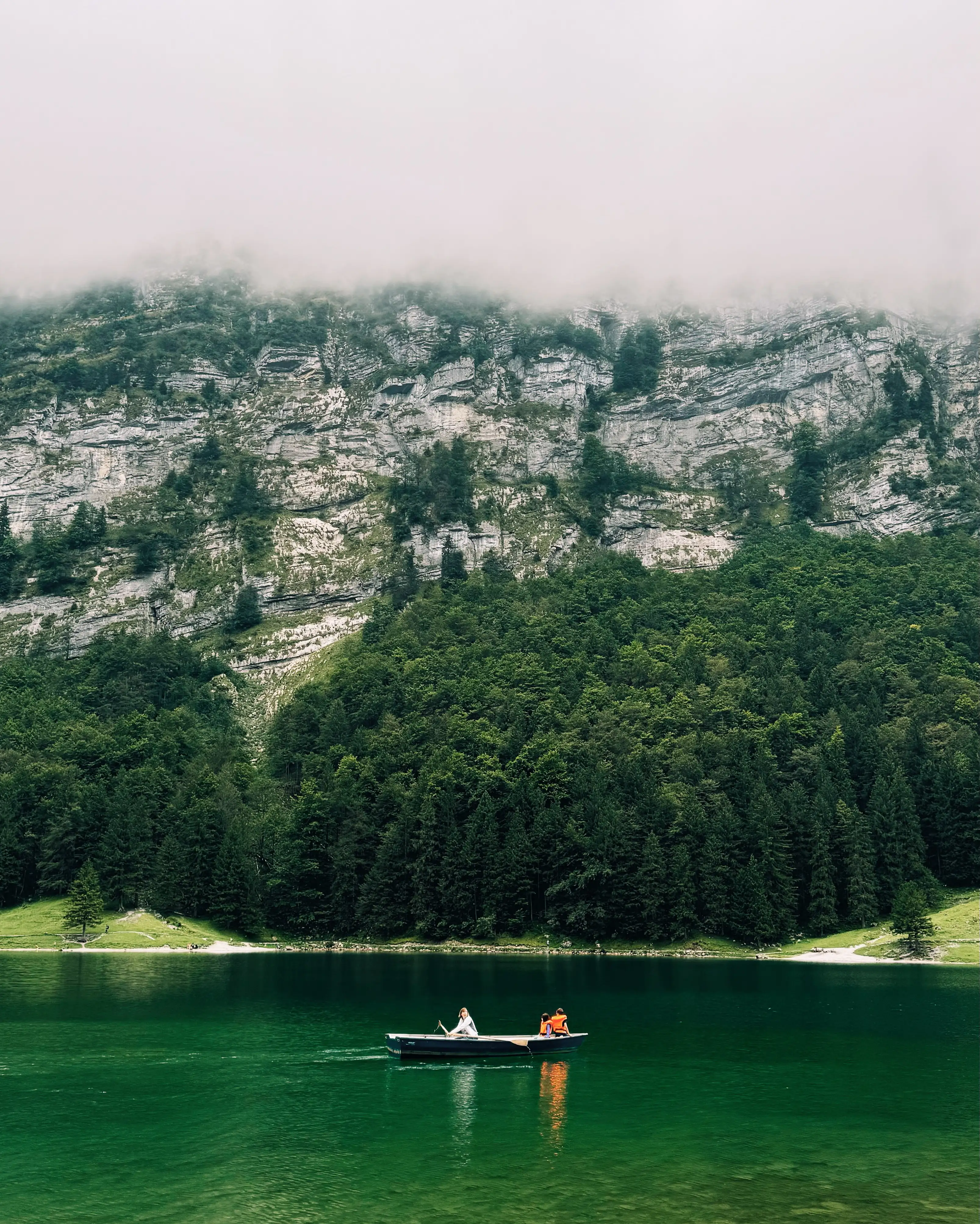
I was greeted like a symphony, from the rustling of pine needles, the creaking of fragile tree branches holding the remnants of the storm, to the chirping of Alpine choughs (Water Pipits) busy foraging for breakfast on the tips of wild gentian petals with their deep, cobalt-blue hue. Meanwhile, the sun slowly peeked out, shy behind the limestone walls, reflecting a symmetrical shadow of the mountains on the calm surface of Seealpsee, like a giant mirror.
This time, once again, the meaning of the journey I found went far beyond what is captured by a lens.
A concept of closeness with nature came over me, a thought where I realized that there should be no clear boundary between the human body and nature, with the very ground we step on. Humans never just stand and walk on top of a landscape; instead, we are part of the landscape itself. The cows grazing freely in the high meadows during the Alpabfahrt tradition, the rainwater soaking my jacket, the dissolving limestone, and the human gut, all are bound within a single, continuous web of life.
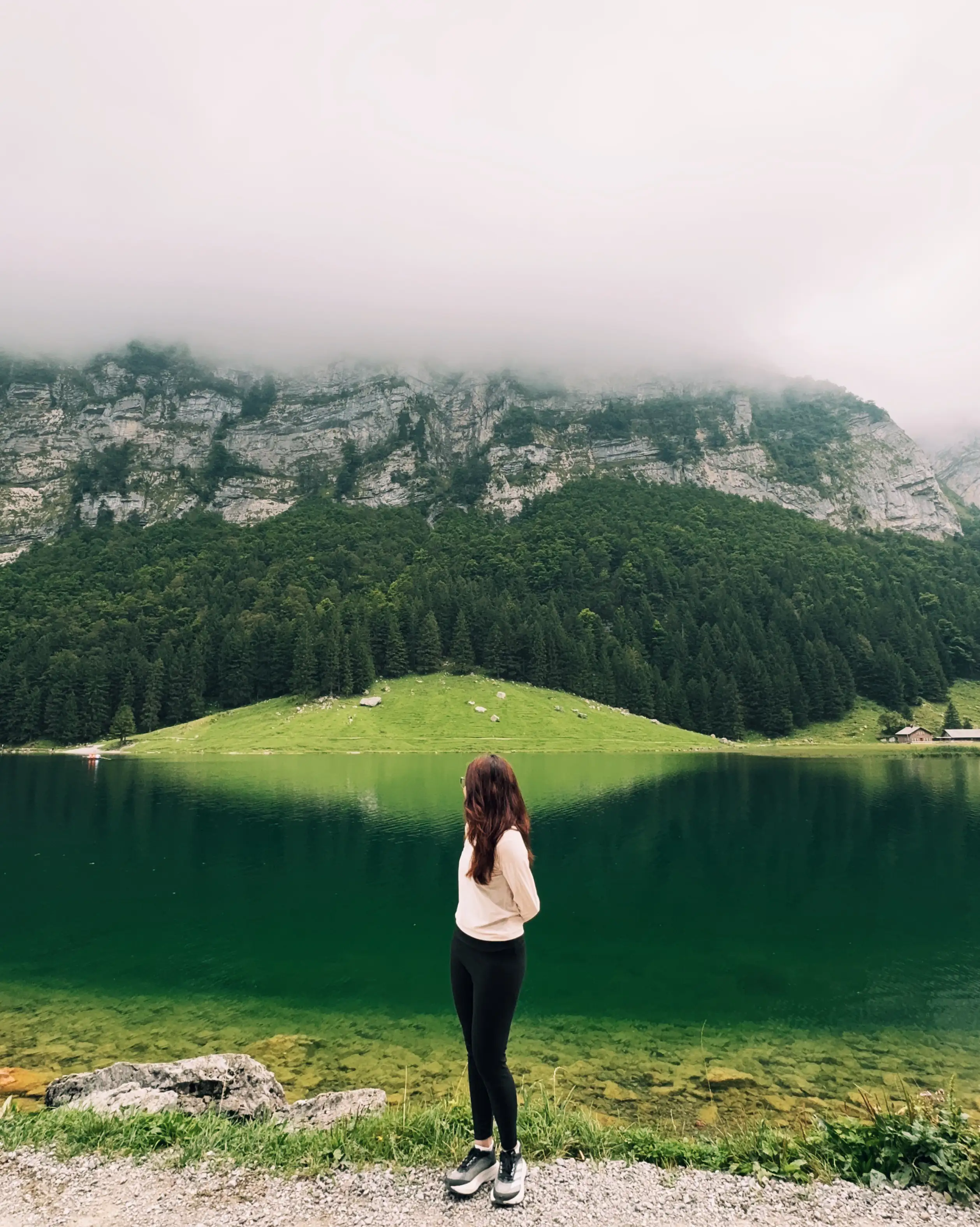
The Karst rock in Appenzell is like a fractured labyrinth. When it rains, water doesn't flow on the surface; instead, it absorbs directly into the vertical crevices (lapiés) of the Karst rock. Geologically speaking, karst rock is a poor natural filter when it comes to bacteria. Water moves way too fast through the limestone cave passages without passing through compact layers of sand or soil that could actually trap microorganisms.
With the naked eye, we see the water of lake Seealpsee as so crystal clear, but microbiologically, that water is a mixture of whatever raw things are happening on the meadows above it. For instance, as the livestock roam around, E. Coli bacteria (measuring about 0.5 to 2 microns) and Giardia lamblia protozoan cysts (with a diameter of 7 to 14 microns) wash right down into this hydrological system.
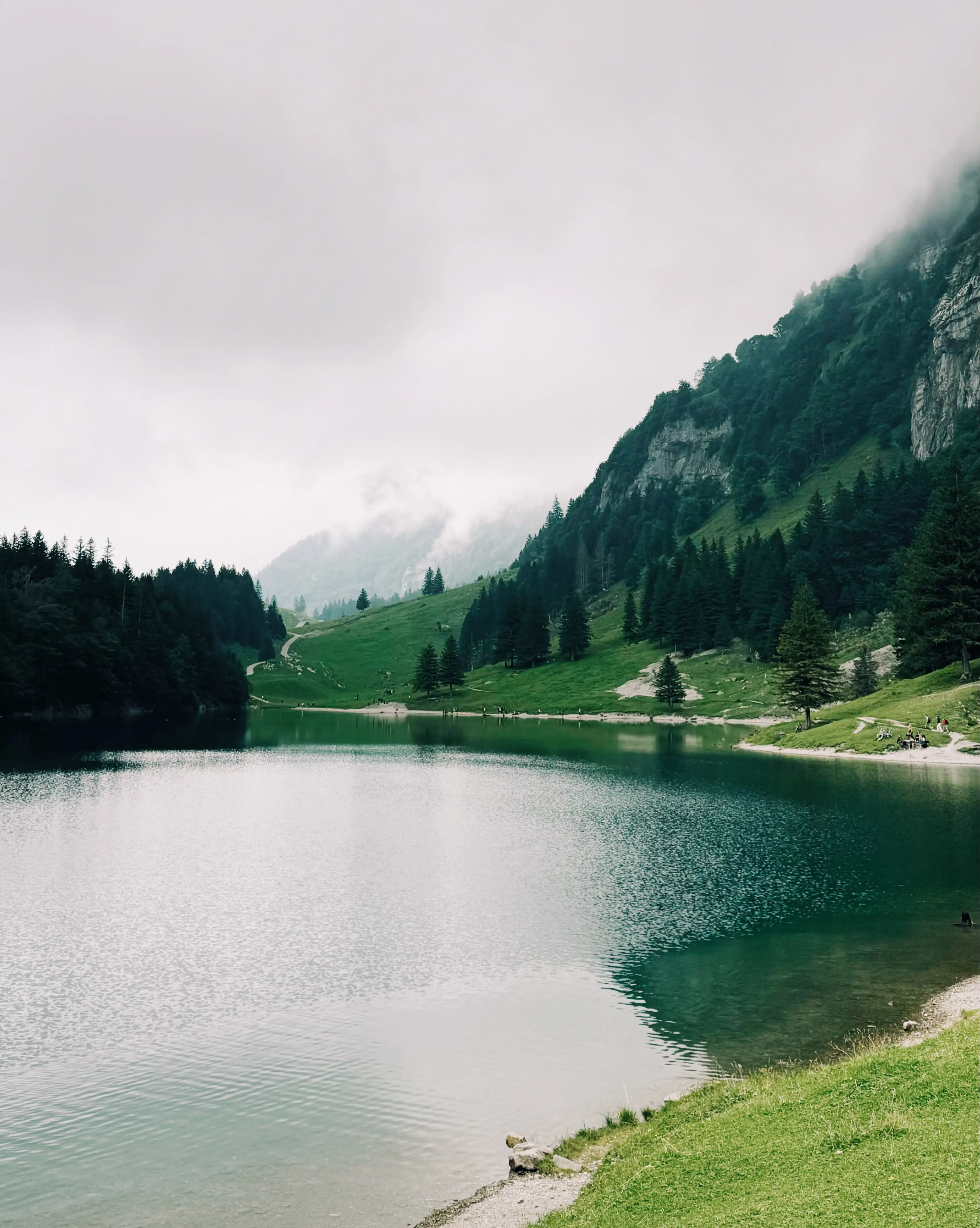
My throat is starting to feel dry; come to think of it, since I arrived, not a drop of water has run down my throat up until the moment I reached the edge of this lake. I notice around the mountain huts (Berggasthäuser), they sell all kinds of clean water packaged in single-use plastic bottles. But to me, buying those products is just the same as severing my connection with the local water while simultaneously tying myself to a global carbon footprint.
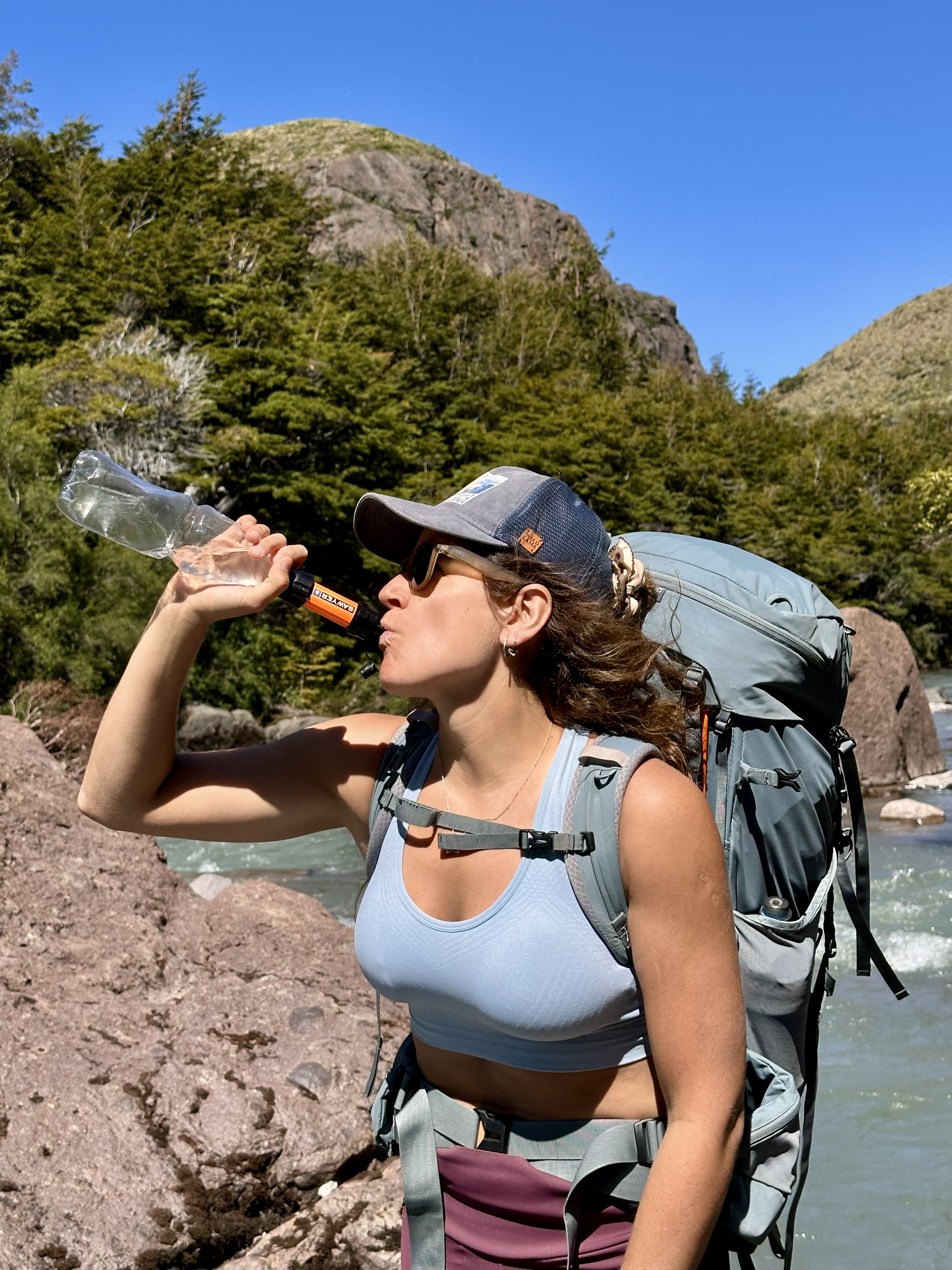
I choose another way. I drop my backpack, kneel at the edge of the chilly Seealpsee, and pull out a feather-light cylinder: something I usually bring wherever I go, even in the Indonesian mountains, a Sawyer filter.
%20copy.webp)
I collect the lake water into the dirty-water pouch, squeeze it with force, and then a miracle of portable fluid mechanics utilizing hollow fiber membrane technology happens, a process of precise spatial separation unfolding inside the small tube in my palm within seconds.
The Sawyer filter is like a fine mesh or a super-tight sieve, where the pore sizes are exactly 0.1 absolute microns (so microscopic you can’t even see them with the naked eye).
Imagine that the rainwater coming down from the mountain carries two groups of passengers with wildly different sizes. First, there's the group of passengers like E. Coli bacteria and Giardia coming from livestock waste. In this analogy, they are the size of basketballs. As the water flows through the sieve, they are simply too big to slip through; they end up trapped and can never blend into the clean water collection we’re about to drink. Second, there's another group of passengers: water molecules and pure minerals like calcium and magnesium eroded from the Alpine limestone. Their size is incredibly small and fine, and because they are that tiny, they can pass through the sieve holes, swimming freely until they become part of the clean water we drink.
Simply put, the Sawyer filter can sort out what is good for the human body. Even though it comes from underground and has mixed with all forms of the earth's elements, the water stays fresh, rich in natural Alpine minerals, and completely safe for our stomachs. One simple thing we rarely realize is that with this tiny object, as tourists and modern humans, we can safely step into the traditional Swiss ecological living space without having to blame or displace the pastoral cows, without disrupting the local cultural heritage, and without leaving behind a single piece of plastic waste.
I sit on the edge of this clear green lake, having just slowly swallowed the lake water that dripped fresh from the tip of the filter.
Staring at the filter in my hand, I remember that this is the exact same filter Sawyer brings to more than 80 countries through partnerships with 140 humanitarian organizations for communities facing clean water crises.
It even reaches Southeast Asia, including Indonesia. One simple, small object relied upon by thousands of families to last for over a decade of daily use just to sustain life. Through this technology, we can now see nature as a shared living space where the human body, the earth's geology, livestock, and the global struggle for clean water weave together in one unbroken flow.
The Seealpsee water I drank has flowed into my bloodstream, warming my body, becoming a new energy that moves my feet to head back home through the Alpstein mist. I pack my things back into my backpack, while the sun begins to slip lower behind the ridge of the Alpstein cliffs. The steps that once felt heavy now feel lighter as I walk down, following the graveled path back toward Wasserauen Station. The evening air grows colder, and a thin mist creeps down from the peak of Säntis, drawing the curtain on the natural theater I have just enjoyed.
Inside the carriage of the Appenzeller Bahnen train moving slowly through the green hills toward St. Gallen, I lean back into my seat and stare out the window. Outside, the silhouette of the Appenzell mountains gradually fades behind the foggy glass, replaced by the urban landscape of the old town starting to turn on its lights.
My journey this time has ended as the train wheels touched the final station, but the mindful journey it initiated has only just begun. I return home carrying a collection of beautiful landscape photos, along with a new understanding that wherever these feet step next, whether on the cold paths of the Alps or beneath the scorching sun of Indonesian mountains, I am always intimately connected to every drop of life I meet along the way.

The rain droplets greet my shoulders, piece by piece. The further I step upward, the faster the drops fall. Yet, a smile remains etched on my face. I close my eyes for a moment, avoiding the rain that begins to dampen my face. Then I realize, even with my eyes shut, what I see behind my eyelids is still a sweep of clear, vivid green.
I am in one of the most beautiful places in the world. My version, perhaps. I don’t know about others, but to me, this place is extraordinarily beautiful! I will not stop my steps, turn back on my intentions, or anything of the sort, even if a storm were to break out today.
“Klang.. Klong..” Even the cows are calling out to me through the clanging of their bells, telling me not to turn back. Though I see a few other hikers starting to turn around due to the poor weather, I keep moving forward, and of course, I keep smiling. The clusters of grey clouds hugging the limestone cliffs do not look happy to welcome my arrival, but isn't it precisely this misty view that symbolizes the peaceful atmosphere of the mountains? I often seek out this exact magical ambiance when hiking back home in the Indonesian mountains, dominated by warm weather.
“Ah.. you are still beautiful,” I murmur as I step slowly because the path has begun to climb steeply. I feel my jacket growing heavy with rainwater.
Everyone might assume that the Alps are the embodiment of real ecological purity, like a territory so sterile, protected, and orderly. That day, I was doing a simple hike in the Alpstein region, a sub-region of the Swiss Alps located in the smallest canton in Switzerland by population: Appenzell Innerrhoden. What inspired me to visit this area was, of course, the context of its "population." After all, visiting one of the most beautiful lakes in Switzerland only requires about a constant hour of hiking from Wasserauen Station (the final stop of the local Appenzeller Bahnen train).
The grey mist finally loosens, leaving behind beautiful remnants of cold dew hanging sweetly from the edges of the old European Larch (Larix decidua) and Norwegian Spruce (Picea abies) branches. After passing through the dense canopy of those pine trees, the path slowly dives down, successfully delivering me into a giant bowl at an altitude of 1,143 meters above sea level. Seealpsee, an Alpine mountain lake with crystal-clear, transparent green water, is sandwiched dramatically beneath the shadow of Mount Säntis's giant rocky ridge.
I was greeted like a symphony, from the rustling of pine needles, the creaking of fragile tree branches holding the remnants of the storm, to the chirping of Alpine choughs (Water Pipits) busy foraging for breakfast on the tips of wild gentian petals with their deep, cobalt-blue hue. Meanwhile, the sun slowly peeked out, shy behind the limestone walls, reflecting a symmetrical shadow of the mountains on the calm surface of Seealpsee, like a giant mirror.
This time, once again, the meaning of the journey I found went far beyond what is captured by a lens.
A concept of closeness with nature came over me, a thought where I realized that there should be no clear boundary between the human body and nature, with the very ground we step on. Humans never just stand and walk on top of a landscape; instead, we are part of the landscape itself. The cows grazing freely in the high meadows during the Alpabfahrt tradition, the rainwater soaking my jacket, the dissolving limestone, and the human gut, all are bound within a single, continuous web of life.
The Karst rock in Appenzell is like a fractured labyrinth. When it rains, water doesn't flow on the surface; instead, it absorbs directly into the vertical crevices (lapiés) of the Karst rock. Geologically speaking, karst rock is a poor natural filter when it comes to bacteria. Water moves way too fast through the limestone cave passages without passing through compact layers of sand or soil that could actually trap microorganisms.
With the naked eye, we see the water of lake Seealpsee as so crystal clear, but microbiologically, that water is a mixture of whatever raw things are happening on the meadows above it. For instance, as the livestock roam around, E. Coli bacteria (measuring about 0.5 to 2 microns) and Giardia lamblia protozoan cysts (with a diameter of 7 to 14 microns) wash right down into this hydrological system.
My throat is starting to feel dry; come to think of it, since I arrived, not a drop of water has run down my throat up until the moment I reached the edge of this lake. I notice around the mountain huts (Berggasthäuser), they sell all kinds of clean water packaged in single-use plastic bottles. But to me, buying those products is just the same as severing my connection with the local water while simultaneously tying myself to a global carbon footprint.
I choose another way. I drop my backpack, kneel at the edge of the chilly Seealpsee, and pull out a feather-light cylinder: something I usually bring wherever I go, even in the Indonesian mountains, a Sawyer filter.
I collect the lake water into the dirty-water pouch, squeeze it with force, and then a miracle of portable fluid mechanics utilizing hollow fiber membrane technology happens, a process of precise spatial separation unfolding inside the small tube in my palm within seconds.
The Sawyer filter is like a fine mesh or a super-tight sieve, where the pore sizes are exactly 0.1 absolute microns (so microscopic you can’t even see them with the naked eye).
Imagine that the rainwater coming down from the mountain carries two groups of passengers with wildly different sizes. First, there's the group of passengers like E. Coli bacteria and Giardia coming from livestock waste. In this analogy, they are the size of basketballs. As the water flows through the sieve, they are simply too big to slip through; they end up trapped and can never blend into the clean water collection we’re about to drink. Second, there's another group of passengers: water molecules and pure minerals like calcium and magnesium eroded from the Alpine limestone. Their size is incredibly small and fine, and because they are that tiny, they can pass through the sieve holes, swimming freely until they become part of the clean water we drink.
Simply put, the Sawyer filter can sort out what is good for the human body. Even though it comes from underground and has mixed with all forms of the earth's elements, the water stays fresh, rich in natural Alpine minerals, and completely safe for our stomachs. One simple thing we rarely realize is that with this tiny object, as tourists and modern humans, we can safely step into the traditional Swiss ecological living space without having to blame or displace the pastoral cows, without disrupting the local cultural heritage, and without leaving behind a single piece of plastic waste.
I sit on the edge of this clear green lake, having just slowly swallowed the lake water that dripped fresh from the tip of the filter.
Staring at the filter in my hand, I remember that this is the exact same filter Sawyer brings to more than 80 countries through partnerships with 140 humanitarian organizations for communities facing clean water crises.
It even reaches Southeast Asia, including Indonesia. One simple, small object relied upon by thousands of families to last for over a decade of daily use just to sustain life. Through this technology, we can now see nature as a shared living space where the human body, the earth's geology, livestock, and the global struggle for clean water weave together in one unbroken flow.
The Seealpsee water I drank has flowed into my bloodstream, warming my body, becoming a new energy that moves my feet to head back home through the Alpstein mist. I pack my things back into my backpack, while the sun begins to slip lower behind the ridge of the Alpstein cliffs. The steps that once felt heavy now feel lighter as I walk down, following the graveled path back toward Wasserauen Station. The evening air grows colder, and a thin mist creeps down from the peak of Säntis, drawing the curtain on the natural theater I have just enjoyed.
Inside the carriage of the Appenzeller Bahnen train moving slowly through the green hills toward St. Gallen, I lean back into my seat and stare out the window. Outside, the silhouette of the Appenzell mountains gradually fades behind the foggy glass, replaced by the urban landscape of the old town starting to turn on its lights.
My journey this time has ended as the train wheels touched the final station, but the mindful journey it initiated has only just begun. I return home carrying a collection of beautiful landscape photos, along with a new understanding that wherever these feet step next, whether on the cold paths of the Alps or beneath the scorching sun of Indonesian mountains, I am always intimately connected to every drop of life I meet along the way.
The rain droplets greet my shoulders, piece by piece. The further I step upward, the faster the drops fall. Yet, a smile remains etched on my face. I close my eyes for a moment, avoiding the rain that begins to dampen my face. Then I realize, even with my eyes shut, what I see behind my eyelids is still a sweep of clear, vivid green.
I am in one of the most beautiful places in the world. My version, perhaps. I don’t know about others, but to me, this place is extraordinarily beautiful! I will not stop my steps, turn back on my intentions, or anything of the sort, even if a storm were to break out today.
“Klang.. Klong..” Even the cows are calling out to me through the clanging of their bells, telling me not to turn back. Though I see a few other hikers starting to turn around due to the poor weather, I keep moving forward, and of course, I keep smiling. The clusters of grey clouds hugging the limestone cliffs do not look happy to welcome my arrival, but isn't it precisely this misty view that symbolizes the peaceful atmosphere of the mountains? I often seek out this exact magical ambiance when hiking back home in the Indonesian mountains, dominated by warm weather.
“Ah.. you are still beautiful,” I murmur as I step slowly because the path has begun to climb steeply. I feel my jacket growing heavy with rainwater.
Everyone might assume that the Alps are the embodiment of real ecological purity, like a territory so sterile, protected, and orderly. That day, I was doing a simple hike in the Alpstein region, a sub-region of the Swiss Alps located in the smallest canton in Switzerland by population: Appenzell Innerrhoden. What inspired me to visit this area was, of course, the context of its "population." After all, visiting one of the most beautiful lakes in Switzerland only requires about a constant hour of hiking from Wasserauen Station (the final stop of the local Appenzeller Bahnen train).
The grey mist finally loosens, leaving behind beautiful remnants of cold dew hanging sweetly from the edges of the old European Larch (Larix decidua) and Norwegian Spruce (Picea abies) branches. After passing through the dense canopy of those pine trees, the path slowly dives down, successfully delivering me into a giant bowl at an altitude of 1,143 meters above sea level. Seealpsee, an Alpine mountain lake with crystal-clear, transparent green water, is sandwiched dramatically beneath the shadow of Mount Säntis's giant rocky ridge.
I was greeted like a symphony, from the rustling of pine needles, the creaking of fragile tree branches holding the remnants of the storm, to the chirping of Alpine choughs (Water Pipits) busy foraging for breakfast on the tips of wild gentian petals with their deep, cobalt-blue hue. Meanwhile, the sun slowly peeked out, shy behind the limestone walls, reflecting a symmetrical shadow of the mountains on the calm surface of Seealpsee, like a giant mirror.
This time, once again, the meaning of the journey I found went far beyond what is captured by a lens.
A concept of closeness with nature came over me, a thought where I realized that there should be no clear boundary between the human body and nature, with the very ground we step on. Humans never just stand and walk on top of a landscape; instead, we are part of the landscape itself. The cows grazing freely in the high meadows during the Alpabfahrt tradition, the rainwater soaking my jacket, the dissolving limestone, and the human gut, all are bound within a single, continuous web of life.
The Karst rock in Appenzell is like a fractured labyrinth. When it rains, water doesn't flow on the surface; instead, it absorbs directly into the vertical crevices (lapiés) of the Karst rock. Geologically speaking, karst rock is a poor natural filter when it comes to bacteria. Water moves way too fast through the limestone cave passages without passing through compact layers of sand or soil that could actually trap microorganisms.
With the naked eye, we see the water of lake Seealpsee as so crystal clear, but microbiologically, that water is a mixture of whatever raw things are happening on the meadows above it. For instance, as the livestock roam around, E. Coli bacteria (measuring about 0.5 to 2 microns) and Giardia lamblia protozoan cysts (with a diameter of 7 to 14 microns) wash right down into this hydrological system.
My throat is starting to feel dry; come to think of it, since I arrived, not a drop of water has run down my throat up until the moment I reached the edge of this lake. I notice around the mountain huts (Berggasthäuser), they sell all kinds of clean water packaged in single-use plastic bottles. But to me, buying those products is just the same as severing my connection with the local water while simultaneously tying myself to a global carbon footprint.
I choose another way. I drop my backpack, kneel at the edge of the chilly Seealpsee, and pull out a feather-light cylinder: something I usually bring wherever I go, even in the Indonesian mountains, a Sawyer filter.
I collect the lake water into the dirty-water pouch, squeeze it with force, and then a miracle of portable fluid mechanics utilizing hollow fiber membrane technology happens, a process of precise spatial separation unfolding inside the small tube in my palm within seconds.
The Sawyer filter is like a fine mesh or a super-tight sieve, where the pore sizes are exactly 0.1 absolute microns (so microscopic you can’t even see them with the naked eye).
Imagine that the rainwater coming down from the mountain carries two groups of passengers with wildly different sizes. First, there's the group of passengers like E. Coli bacteria and Giardia coming from livestock waste. In this analogy, they are the size of basketballs. As the water flows through the sieve, they are simply too big to slip through; they end up trapped and can never blend into the clean water collection we’re about to drink. Second, there's another group of passengers: water molecules and pure minerals like calcium and magnesium eroded from the Alpine limestone. Their size is incredibly small and fine, and because they are that tiny, they can pass through the sieve holes, swimming freely until they become part of the clean water we drink.
Simply put, the Sawyer filter can sort out what is good for the human body. Even though it comes from underground and has mixed with all forms of the earth's elements, the water stays fresh, rich in natural Alpine minerals, and completely safe for our stomachs. One simple thing we rarely realize is that with this tiny object, as tourists and modern humans, we can safely step into the traditional Swiss ecological living space without having to blame or displace the pastoral cows, without disrupting the local cultural heritage, and without leaving behind a single piece of plastic waste.
I sit on the edge of this clear green lake, having just slowly swallowed the lake water that dripped fresh from the tip of the filter.
Staring at the filter in my hand, I remember that this is the exact same filter Sawyer brings to more than 80 countries through partnerships with 140 humanitarian organizations for communities facing clean water crises.
It even reaches Southeast Asia, including Indonesia. One simple, small object relied upon by thousands of families to last for over a decade of daily use just to sustain life. Through this technology, we can now see nature as a shared living space where the human body, the earth's geology, livestock, and the global struggle for clean water weave together in one unbroken flow.
The Seealpsee water I drank has flowed into my bloodstream, warming my body, becoming a new energy that moves my feet to head back home through the Alpstein mist. I pack my things back into my backpack, while the sun begins to slip lower behind the ridge of the Alpstein cliffs. The steps that once felt heavy now feel lighter as I walk down, following the graveled path back toward Wasserauen Station. The evening air grows colder, and a thin mist creeps down from the peak of Säntis, drawing the curtain on the natural theater I have just enjoyed.
Inside the carriage of the Appenzeller Bahnen train moving slowly through the green hills toward St. Gallen, I lean back into my seat and stare out the window. Outside, the silhouette of the Appenzell mountains gradually fades behind the foggy glass, replaced by the urban landscape of the old town starting to turn on its lights.
My journey this time has ended as the train wheels touched the final station, but the mindful journey it initiated has only just begun. I return home carrying a collection of beautiful landscape photos, along with a new understanding that wherever these feet step next, whether on the cold paths of the Alps or beneath the scorching sun of Indonesian mountains, I am always intimately connected to every drop of life I meet along the way.
More Than an Outdoor Company.

