






Follow us on Instagram
More Than an Outdoor Company.

@sawyerproducts
Follow us on Instagram



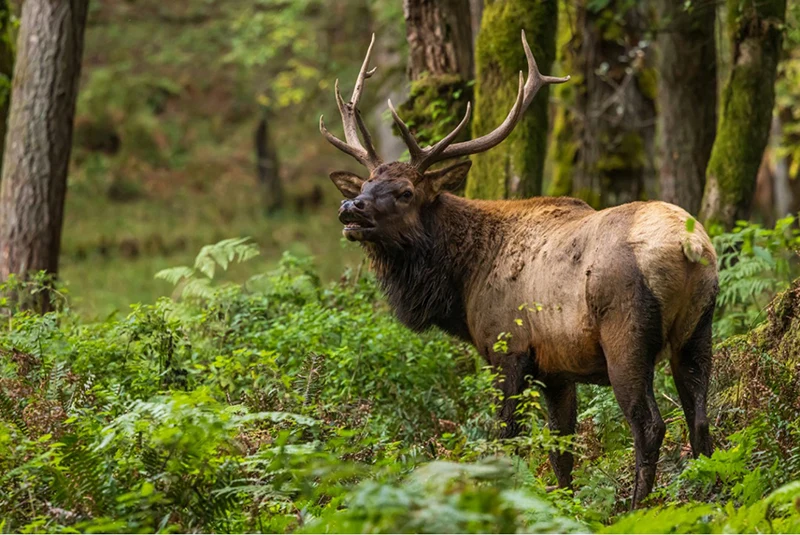
As I sit here writing, the anticipation of chasing elk is at an all-time high. It’s hard to believe that it's already mid-September. Before I leave for an upcoming archery elk hunt, I thought it would be good to run through some final pre-hunt precautions and care items.
If your feet hurt after one day of hiking, the chances of sticking out a hunt for multiple days is slim. I have had blisters the sizes of a half dollar on both heels during a hunt and it’s grueling; every step hurts. My feet are something I prioritize when I am hunting.
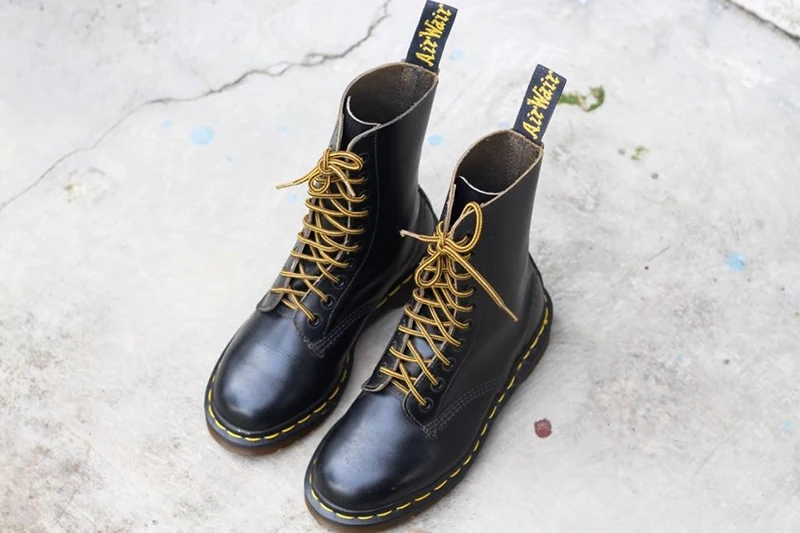
The most common issue is failing to adequately break in a new pair of boots. We all love new boots — perhaps no one more than me — but I also know better than putting on a new pair of boots and hitting the trail on opening day. Breaking in a pair of footwear for backpack hunting requires...backpacking and hiking in them! It’s not enough in my opinion to wear them around the house and office. If you can, you need to wear them in the types of terrain you will be hunting. This will allow you to pinpoint any hotspots, pinch points or causes of pain (perhaps a protruding seam of strange flex). If you can’t hike and use your boots in the types of terrain you might be hunting, wear them as much as possible. Go to your local football stadium and climb some stairs. Heading downhill with a full pack full of elk meat is not a great time to find out that you have a pinky toe that is being obliterated. Whatever you have to do, break your boots in.
The two areas that blister most often are the heels and the pinky toe. If you are getting pinky toe rub and blistering, the boot is either too narrow or too short and I’d suggest you try another boot/size. In a properly fitting hunting boot your heel should not slide up and down inside the boot as you walk. Your heel should be locked into place. If not, painful blisters commonly appear within a short period of time. The easiest way to avoid this is to buy the proper size and the second is to break your boots in.
Find the rest of Trail Kreitzer's Pre-Hunt precautions and care items here.


As I sit here writing, the anticipation of chasing elk is at an all-time high. It’s hard to believe that it's already mid-September. Before I leave for an upcoming archery elk hunt, I thought it would be good to run through some final pre-hunt precautions and care items.
If your feet hurt after one day of hiking, the chances of sticking out a hunt for multiple days is slim. I have had blisters the sizes of a half dollar on both heels during a hunt and it’s grueling; every step hurts. My feet are something I prioritize when I am hunting.
The most common issue is failing to adequately break in a new pair of boots. We all love new boots — perhaps no one more than me — but I also know better than putting on a new pair of boots and hitting the trail on opening day. Breaking in a pair of footwear for backpack hunting requires...backpacking and hiking in them! It’s not enough in my opinion to wear them around the house and office. If you can, you need to wear them in the types of terrain you will be hunting. This will allow you to pinpoint any hotspots, pinch points or causes of pain (perhaps a protruding seam of strange flex). If you can’t hike and use your boots in the types of terrain you might be hunting, wear them as much as possible. Go to your local football stadium and climb some stairs. Heading downhill with a full pack full of elk meat is not a great time to find out that you have a pinky toe that is being obliterated. Whatever you have to do, break your boots in.
The two areas that blister most often are the heels and the pinky toe. If you are getting pinky toe rub and blistering, the boot is either too narrow or too short and I’d suggest you try another boot/size. In a properly fitting hunting boot your heel should not slide up and down inside the boot as you walk. Your heel should be locked into place. If not, painful blisters commonly appear within a short period of time. The easiest way to avoid this is to buy the proper size and the second is to break your boots in.
Find the rest of Trail Kreitzer's Pre-Hunt precautions and care items here.
As I sit here writing, the anticipation of chasing elk is at an all-time high. It’s hard to believe that it's already mid-September. Before I leave for an upcoming archery elk hunt, I thought it would be good to run through some final pre-hunt precautions and care items.
If your feet hurt after one day of hiking, the chances of sticking out a hunt for multiple days is slim. I have had blisters the sizes of a half dollar on both heels during a hunt and it’s grueling; every step hurts. My feet are something I prioritize when I am hunting.
The most common issue is failing to adequately break in a new pair of boots. We all love new boots — perhaps no one more than me — but I also know better than putting on a new pair of boots and hitting the trail on opening day. Breaking in a pair of footwear for backpack hunting requires...backpacking and hiking in them! It’s not enough in my opinion to wear them around the house and office. If you can, you need to wear them in the types of terrain you will be hunting. This will allow you to pinpoint any hotspots, pinch points or causes of pain (perhaps a protruding seam of strange flex). If you can’t hike and use your boots in the types of terrain you might be hunting, wear them as much as possible. Go to your local football stadium and climb some stairs. Heading downhill with a full pack full of elk meat is not a great time to find out that you have a pinky toe that is being obliterated. Whatever you have to do, break your boots in.
The two areas that blister most often are the heels and the pinky toe. If you are getting pinky toe rub and blistering, the boot is either too narrow or too short and I’d suggest you try another boot/size. In a properly fitting hunting boot your heel should not slide up and down inside the boot as you walk. Your heel should be locked into place. If not, painful blisters commonly appear within a short period of time. The easiest way to avoid this is to buy the proper size and the second is to break your boots in.
Find the rest of Trail Kreitzer's Pre-Hunt precautions and care items here.
More Than an Outdoor Company.

