







Follow us on Instagram
More Than an Outdoor Company.

@sawyerproducts
Follow us on Instagram


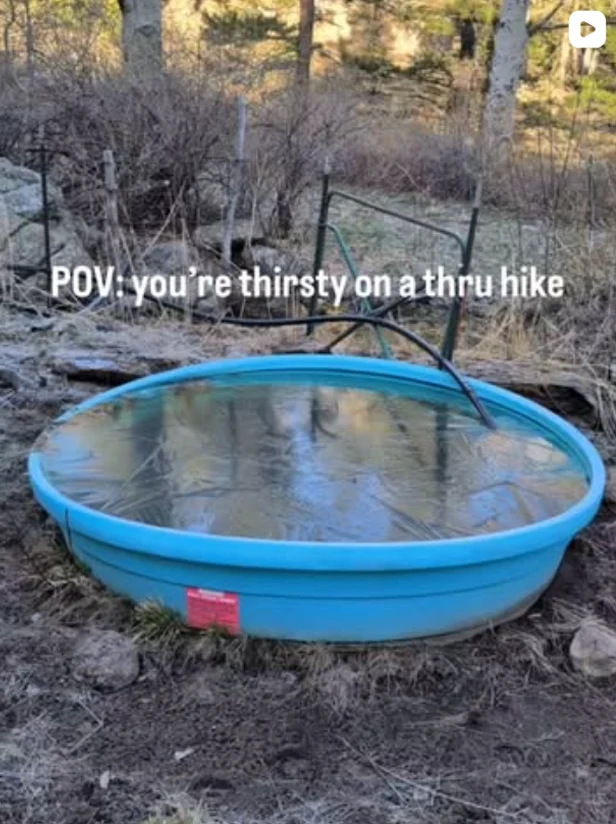




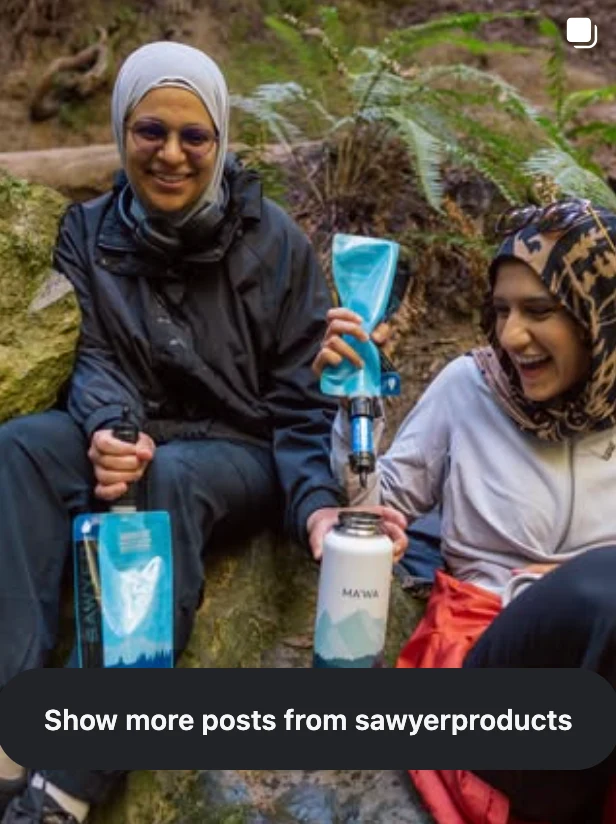

Whether for an emergency kit, a home system or an on-the-go solution, here are the easiest and best ways to filter water.
Watch videoFor the most part, we live in a country with pretty safe drinking water. But that can change in an instant.
Natural disasters like hurricanes, landslides and wildfires can compromise municipal water treatment systems. Old pipes within our homes or city systems can suddenly start giving off contaminants, as happened with lead in Flint, Michigan. And chemical spills and agricultural runoff can create additional threats, especially for those on well water.
Some of the most common contaminants in water include:
Not every water filter gets out every contaminant, so start by assessing what you might be exposed to. Commonly, people focus most on bacteria and protozoa. But if you live near agricultural or industrial areas, and especially if you’re on a shallow well, you should have your water tested for a wider range of issues.
Also, check this comprehensive and helpful guide to city water safety by zip code, put together by the Environmental Working Group (EWG).
Beyond dangers to your health, hard water — high in magnesium carbonates, calcium and sulfates — can clog your shower heads, damage appliances and even keep your laundry from getting clean. While water softeners fix that problem, particularly hard water can elevate sodium levels, which can be detrimental for people with health conditions like high blood pressure.
Here’s how to sort out the best ways to filter and purify water, for your health and budget. When purchasing any filter, try to find one certified by the National Sanitation Foundation (NSF) or another independent third-party certification company.


For the most part, we live in a country with pretty safe drinking water. But that can change in an instant.
Natural disasters like hurricanes, landslides and wildfires can compromise municipal water treatment systems. Old pipes within our homes or city systems can suddenly start giving off contaminants, as happened with lead in Flint, Michigan. And chemical spills and agricultural runoff can create additional threats, especially for those on well water.
Some of the most common contaminants in water include:
Not every water filter gets out every contaminant, so start by assessing what you might be exposed to. Commonly, people focus most on bacteria and protozoa. But if you live near agricultural or industrial areas, and especially if you’re on a shallow well, you should have your water tested for a wider range of issues.
Also, check this comprehensive and helpful guide to city water safety by zip code, put together by the Environmental Working Group (EWG).
Beyond dangers to your health, hard water — high in magnesium carbonates, calcium and sulfates — can clog your shower heads, damage appliances and even keep your laundry from getting clean. While water softeners fix that problem, particularly hard water can elevate sodium levels, which can be detrimental for people with health conditions like high blood pressure.
Here’s how to sort out the best ways to filter and purify water, for your health and budget. When purchasing any filter, try to find one certified by the National Sanitation Foundation (NSF) or another independent third-party certification company.
For the most part, we live in a country with pretty safe drinking water. But that can change in an instant.
Natural disasters like hurricanes, landslides and wildfires can compromise municipal water treatment systems. Old pipes within our homes or city systems can suddenly start giving off contaminants, as happened with lead in Flint, Michigan. And chemical spills and agricultural runoff can create additional threats, especially for those on well water.
Some of the most common contaminants in water include:
Not every water filter gets out every contaminant, so start by assessing what you might be exposed to. Commonly, people focus most on bacteria and protozoa. But if you live near agricultural or industrial areas, and especially if you’re on a shallow well, you should have your water tested for a wider range of issues.
Also, check this comprehensive and helpful guide to city water safety by zip code, put together by the Environmental Working Group (EWG).
Beyond dangers to your health, hard water — high in magnesium carbonates, calcium and sulfates — can clog your shower heads, damage appliances and even keep your laundry from getting clean. While water softeners fix that problem, particularly hard water can elevate sodium levels, which can be detrimental for people with health conditions like high blood pressure.
Here’s how to sort out the best ways to filter and purify water, for your health and budget. When purchasing any filter, try to find one certified by the National Sanitation Foundation (NSF) or another independent third-party certification company.
More Than an Outdoor Company.

