







.webp)

Follow us on Instagram
More Than an Outdoor Company.

@sawyerproducts
Follow us on Instagram


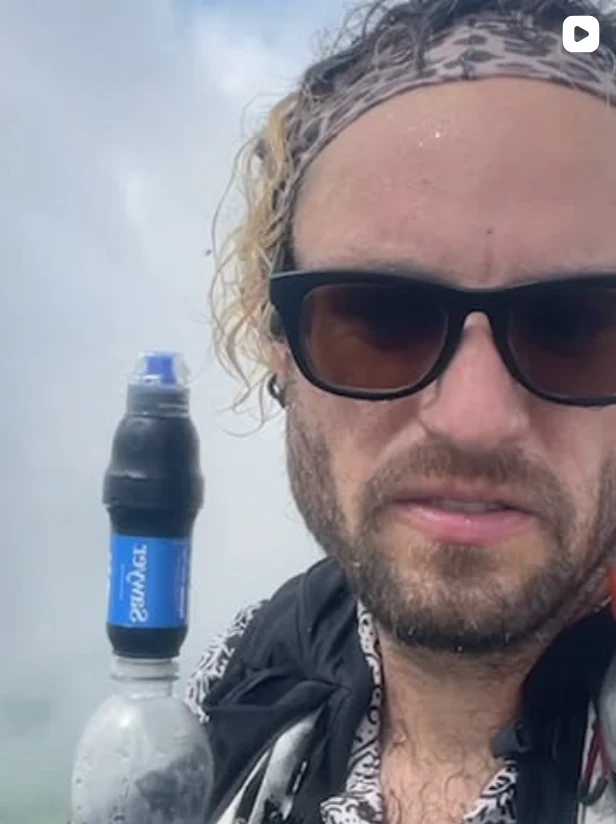
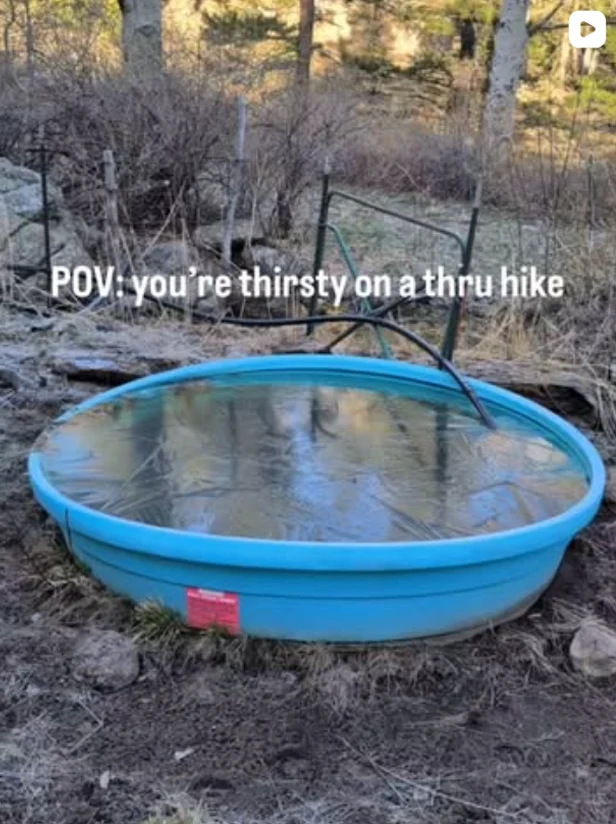




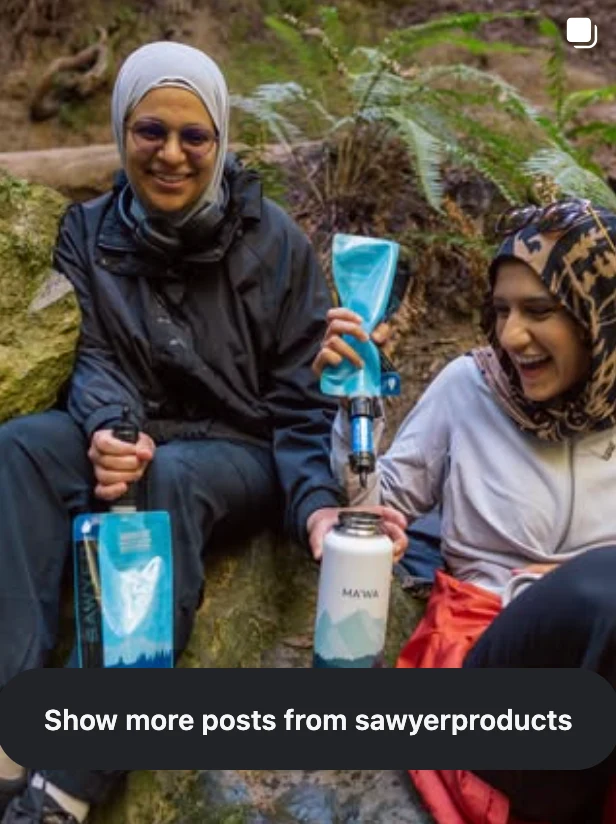

Water-borne illnesses are a sure way to ruin your backpacking trip or the weeks afterward, so you're probably going to need a water filter? But which one? We break it down.
By Connor HultNot every body of water will make you sick, but no matter how pristine a natural water source may appear, microscopic threats to your body - including, viruses, protozoa, bacteria, and other nasties like Cryptosporidium cysts - may very well be lingering. Water-borne illnesses are a sure way to ruin your backpacking trip or the weeks afterward.
I used to have the “looks clean, looks good to drink mentality” because odds are e.coli and giardia, among other things, won’t set in on your trip, but the time following when you have returned. I justified taking these risks because being sick at home did not sound too bad to my naivety, but I can tell you from first-hand experience that I regret having had this mentality. Now my water filter is as essential as my sleeping bag or headlamp. There is an entire world out there for choosing a water filtration system, while universal and multi-use options exist, certain locations across the globe call for a unique style of water filter or purifier. The bottom line is it’s important to know where you’re going, and what is right for you.
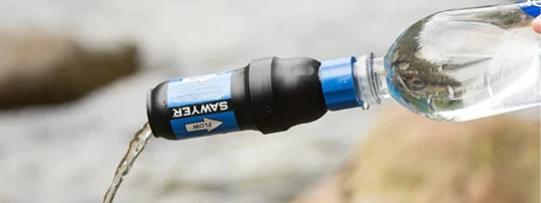
Physical water filters utilize a cartridge with microscopic pores that catch any dirt or debris present in the water as it moves from the container past the cartridge. These water filters can vary in styles, but will mostly stay around 0.1 microns for pore size. Because dirty water is being pushed through these filters, gunk will clog them and they will need to be regularly cleaned and eventually replaced. 0.1 microns is a solid standard when choosing a filter that will be rid of most water contamination.
A purifier will rely on either chemicals (commonly iodine) or ultraviolet light to kill any contaminants in the water. The main advantage of water purification is that it will kill viruses, which are generally too small to be caught by the cartridge of a general water filter. Don’t fret - viruses are not typically found in North America, but be sure to check in before you go!
Finish reading how to choose the right water filter here.


Water-borne illnesses are a sure way to ruin your backpacking trip or the weeks afterward, so you're probably going to need a water filter? But which one? We break it down.
By Connor HultNot every body of water will make you sick, but no matter how pristine a natural water source may appear, microscopic threats to your body - including, viruses, protozoa, bacteria, and other nasties like Cryptosporidium cysts - may very well be lingering. Water-borne illnesses are a sure way to ruin your backpacking trip or the weeks afterward.
I used to have the “looks clean, looks good to drink mentality” because odds are e.coli and giardia, among other things, won’t set in on your trip, but the time following when you have returned. I justified taking these risks because being sick at home did not sound too bad to my naivety, but I can tell you from first-hand experience that I regret having had this mentality. Now my water filter is as essential as my sleeping bag or headlamp. There is an entire world out there for choosing a water filtration system, while universal and multi-use options exist, certain locations across the globe call for a unique style of water filter or purifier. The bottom line is it’s important to know where you’re going, and what is right for you.
Physical water filters utilize a cartridge with microscopic pores that catch any dirt or debris present in the water as it moves from the container past the cartridge. These water filters can vary in styles, but will mostly stay around 0.1 microns for pore size. Because dirty water is being pushed through these filters, gunk will clog them and they will need to be regularly cleaned and eventually replaced. 0.1 microns is a solid standard when choosing a filter that will be rid of most water contamination.
A purifier will rely on either chemicals (commonly iodine) or ultraviolet light to kill any contaminants in the water. The main advantage of water purification is that it will kill viruses, which are generally too small to be caught by the cartridge of a general water filter. Don’t fret - viruses are not typically found in North America, but be sure to check in before you go!
Finish reading how to choose the right water filter here.
Water-borne illnesses are a sure way to ruin your backpacking trip or the weeks afterward, so you're probably going to need a water filter? But which one? We break it down.
By Connor HultNot every body of water will make you sick, but no matter how pristine a natural water source may appear, microscopic threats to your body - including, viruses, protozoa, bacteria, and other nasties like Cryptosporidium cysts - may very well be lingering. Water-borne illnesses are a sure way to ruin your backpacking trip or the weeks afterward.
I used to have the “looks clean, looks good to drink mentality” because odds are e.coli and giardia, among other things, won’t set in on your trip, but the time following when you have returned. I justified taking these risks because being sick at home did not sound too bad to my naivety, but I can tell you from first-hand experience that I regret having had this mentality. Now my water filter is as essential as my sleeping bag or headlamp. There is an entire world out there for choosing a water filtration system, while universal and multi-use options exist, certain locations across the globe call for a unique style of water filter or purifier. The bottom line is it’s important to know where you’re going, and what is right for you.
Physical water filters utilize a cartridge with microscopic pores that catch any dirt or debris present in the water as it moves from the container past the cartridge. These water filters can vary in styles, but will mostly stay around 0.1 microns for pore size. Because dirty water is being pushed through these filters, gunk will clog them and they will need to be regularly cleaned and eventually replaced. 0.1 microns is a solid standard when choosing a filter that will be rid of most water contamination.
A purifier will rely on either chemicals (commonly iodine) or ultraviolet light to kill any contaminants in the water. The main advantage of water purification is that it will kill viruses, which are generally too small to be caught by the cartridge of a general water filter. Don’t fret - viruses are not typically found in North America, but be sure to check in before you go!
Finish reading how to choose the right water filter here.
More Than an Outdoor Company.

