














Follow us on Instagram
More Than an Outdoor Company.

@sawyerproducts
Follow us on Instagram


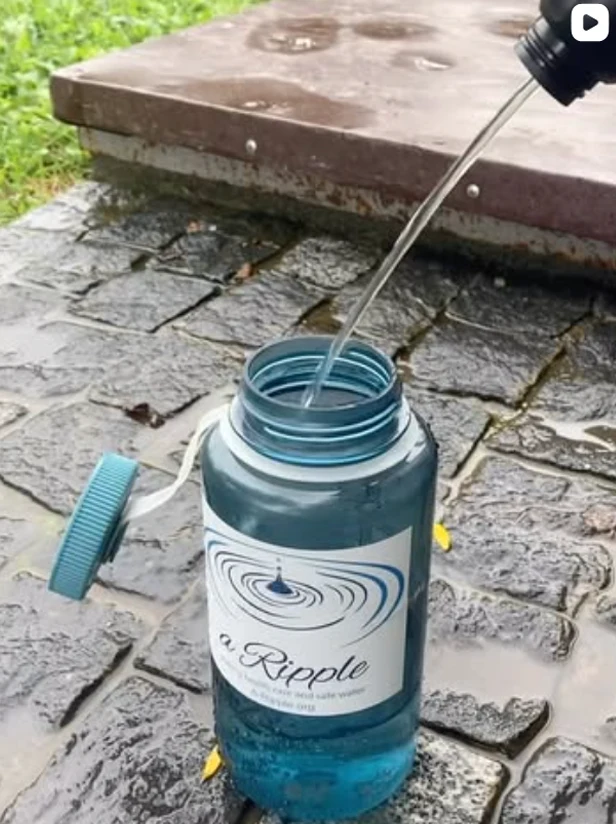









Once again, tick season is upon us. For most in the Rockies wood ticks are an annual nuisance that we suffer for a couple of months. The only defence is
Watch videoOnce again, tick season is upon us. For most in the Rockies wood ticks are an annual nuisance that we suffer for a couple of months. The only defence is to tuck our pants into our socks and check ourselves carefully for the beasties following every hike. But in many parts of Canada, including British Columbia, Lyme disease has long been a serious threat, and the deer ticks that transmit the grim Borrelia burgdorferi parasite are virtually invisible.
In the northeastern U.S., where Lyme disease has been rampant for over a decade, people have been defending themselves with permethrin-treated clothing.
In the past few years, there has been an explosion of factory-treated products on the market, including shirts, pants, socks, hats, gaiters, hoodies, bandanas and neck gaiters. But not in Canada.
You can also buy 0.5% permethrin spray specifically made for treating your own clothing in the U.S. But not in Canada.
The permethrin story
Permethrin is a synthetic chemical insecticide that acts like natural extracts of the chrysanthemum flower. Repellents, like DEET and picaridin, disorient and repel insects, but permethrin attacks an insect’s nervous system and kills it. Repellents are applied to the skin or clothing to provide a level of protection for a few hours, however permethrin should not be used on skin but rather on clothing, where it can provide dry, invisible and odourless protection for weeks or years.
Factory-treated clothing has been sold commercially in the U.S. since 2003. Factory treatment is considered effective for as many as 70 washings or, as is likely, for the life of the garment. Permethrin spray can be purchased and applied to any clothing, however the level of protection is usually listed as six weeks or six washings.
According to the U.S. Environmental Protection Agency paper Repellent-Treated Clothing: “The amount of permethrin allowed in clothing is very low, and scientific studies indicate that human exposure resulting from wearing permethrin factory-treated clothing also is low. Available data show that permethrin is poorly absorbed through the skin.”


Once again, tick season is upon us. For most in the Rockies wood ticks are an annual nuisance that we suffer for a couple of months. The only defence is to tuck our pants into our socks and check ourselves carefully for the beasties following every hike. But in many parts of Canada, including British Columbia, Lyme disease has long been a serious threat, and the deer ticks that transmit the grim Borrelia burgdorferi parasite are virtually invisible.
In the northeastern U.S., where Lyme disease has been rampant for over a decade, people have been defending themselves with permethrin-treated clothing.
In the past few years, there has been an explosion of factory-treated products on the market, including shirts, pants, socks, hats, gaiters, hoodies, bandanas and neck gaiters. But not in Canada.
You can also buy 0.5% permethrin spray specifically made for treating your own clothing in the U.S. But not in Canada.
The permethrin story
Permethrin is a synthetic chemical insecticide that acts like natural extracts of the chrysanthemum flower. Repellents, like DEET and picaridin, disorient and repel insects, but permethrin attacks an insect’s nervous system and kills it. Repellents are applied to the skin or clothing to provide a level of protection for a few hours, however permethrin should not be used on skin but rather on clothing, where it can provide dry, invisible and odourless protection for weeks or years.
Factory-treated clothing has been sold commercially in the U.S. since 2003. Factory treatment is considered effective for as many as 70 washings or, as is likely, for the life of the garment. Permethrin spray can be purchased and applied to any clothing, however the level of protection is usually listed as six weeks or six washings.
According to the U.S. Environmental Protection Agency paper Repellent-Treated Clothing: “The amount of permethrin allowed in clothing is very low, and scientific studies indicate that human exposure resulting from wearing permethrin factory-treated clothing also is low. Available data show that permethrin is poorly absorbed through the skin.”
Once again, tick season is upon us. For most in the Rockies wood ticks are an annual nuisance that we suffer for a couple of months. The only defence is to tuck our pants into our socks and check ourselves carefully for the beasties following every hike. But in many parts of Canada, including British Columbia, Lyme disease has long been a serious threat, and the deer ticks that transmit the grim Borrelia burgdorferi parasite are virtually invisible.
In the northeastern U.S., where Lyme disease has been rampant for over a decade, people have been defending themselves with permethrin-treated clothing.
In the past few years, there has been an explosion of factory-treated products on the market, including shirts, pants, socks, hats, gaiters, hoodies, bandanas and neck gaiters. But not in Canada.
You can also buy 0.5% permethrin spray specifically made for treating your own clothing in the U.S. But not in Canada.
The permethrin story
Permethrin is a synthetic chemical insecticide that acts like natural extracts of the chrysanthemum flower. Repellents, like DEET and picaridin, disorient and repel insects, but permethrin attacks an insect’s nervous system and kills it. Repellents are applied to the skin or clothing to provide a level of protection for a few hours, however permethrin should not be used on skin but rather on clothing, where it can provide dry, invisible and odourless protection for weeks or years.
Factory-treated clothing has been sold commercially in the U.S. since 2003. Factory treatment is considered effective for as many as 70 washings or, as is likely, for the life of the garment. Permethrin spray can be purchased and applied to any clothing, however the level of protection is usually listed as six weeks or six washings.
According to the U.S. Environmental Protection Agency paper Repellent-Treated Clothing: “The amount of permethrin allowed in clothing is very low, and scientific studies indicate that human exposure resulting from wearing permethrin factory-treated clothing also is low. Available data show that permethrin is poorly absorbed through the skin.”
More Than an Outdoor Company.

