





Follow us on Instagram
More Than an Outdoor Company.

@sawyerproducts
Follow us on Instagram
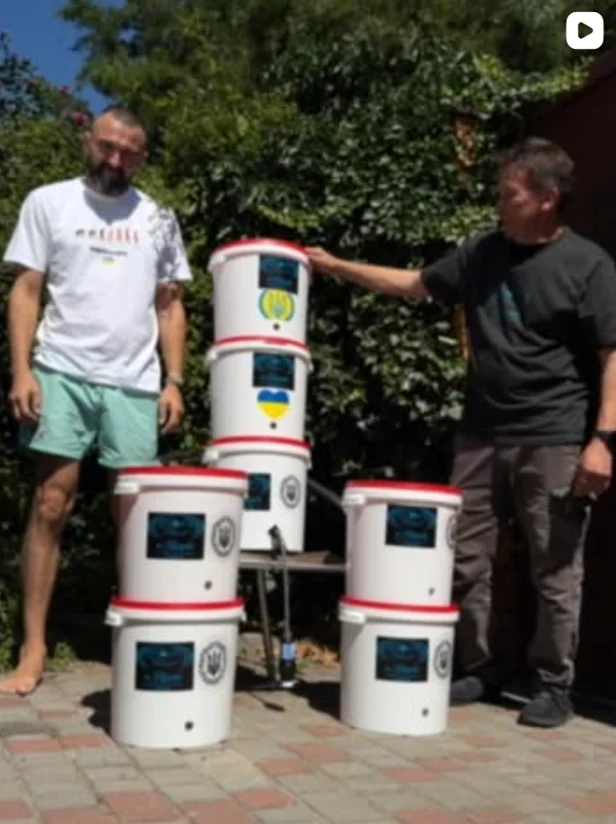
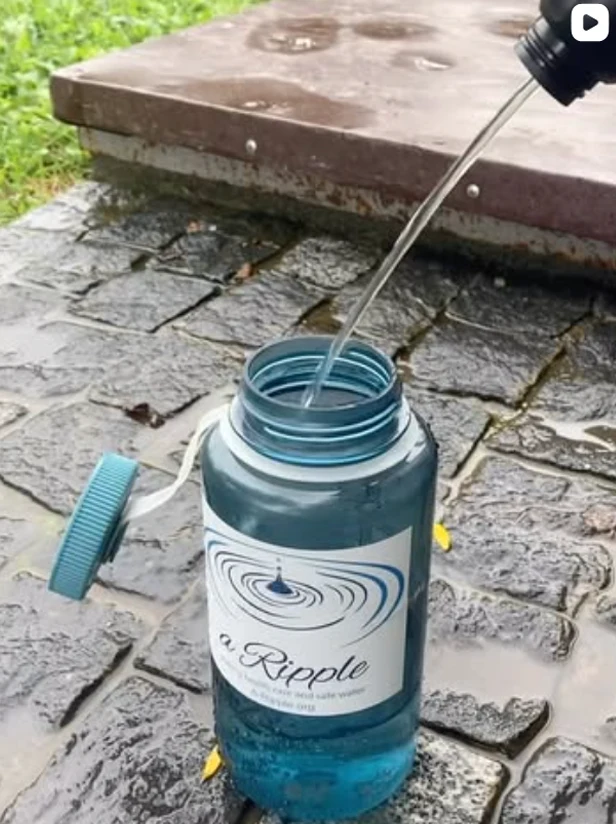

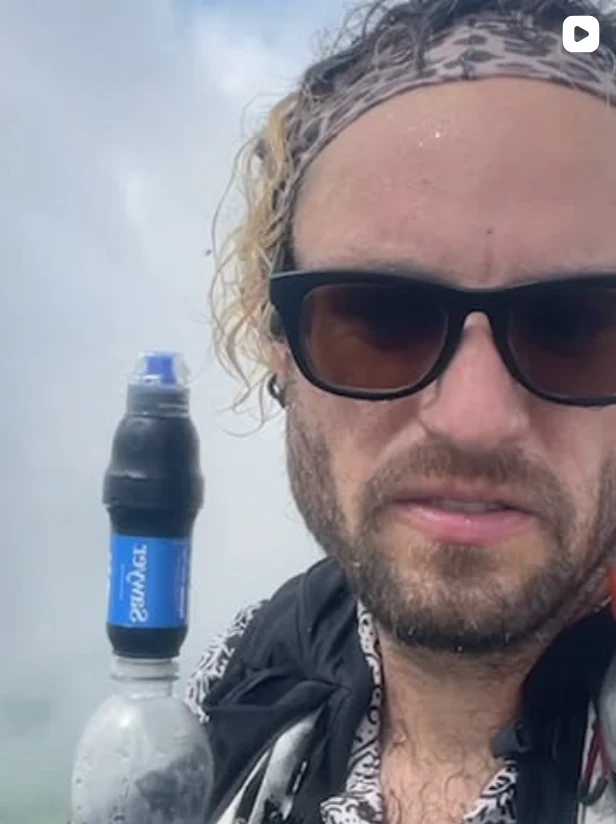
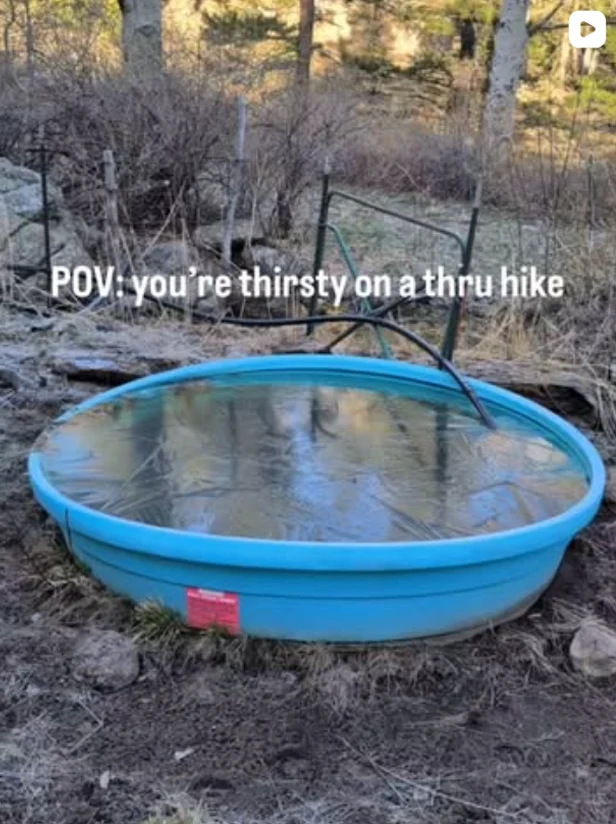



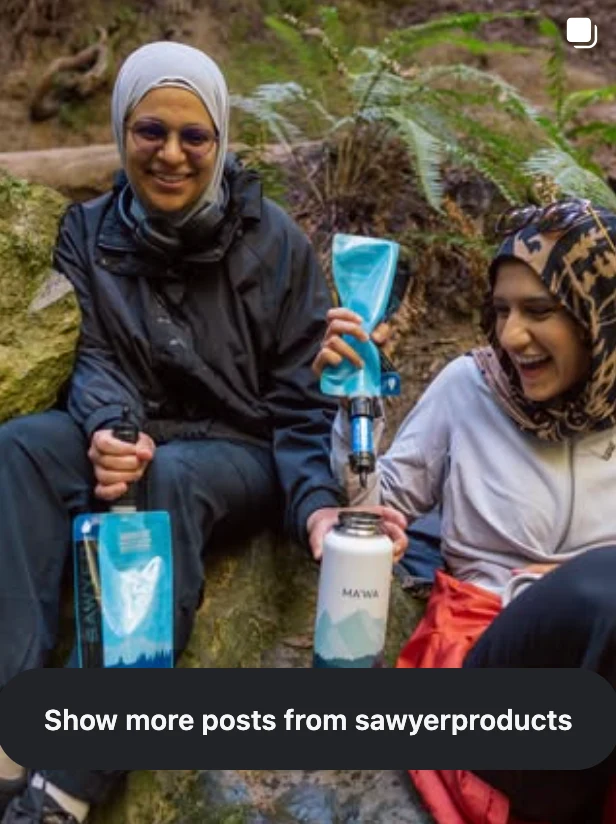

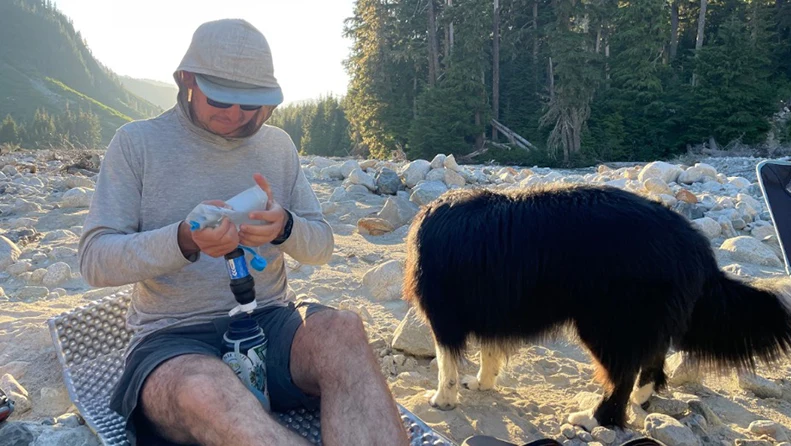
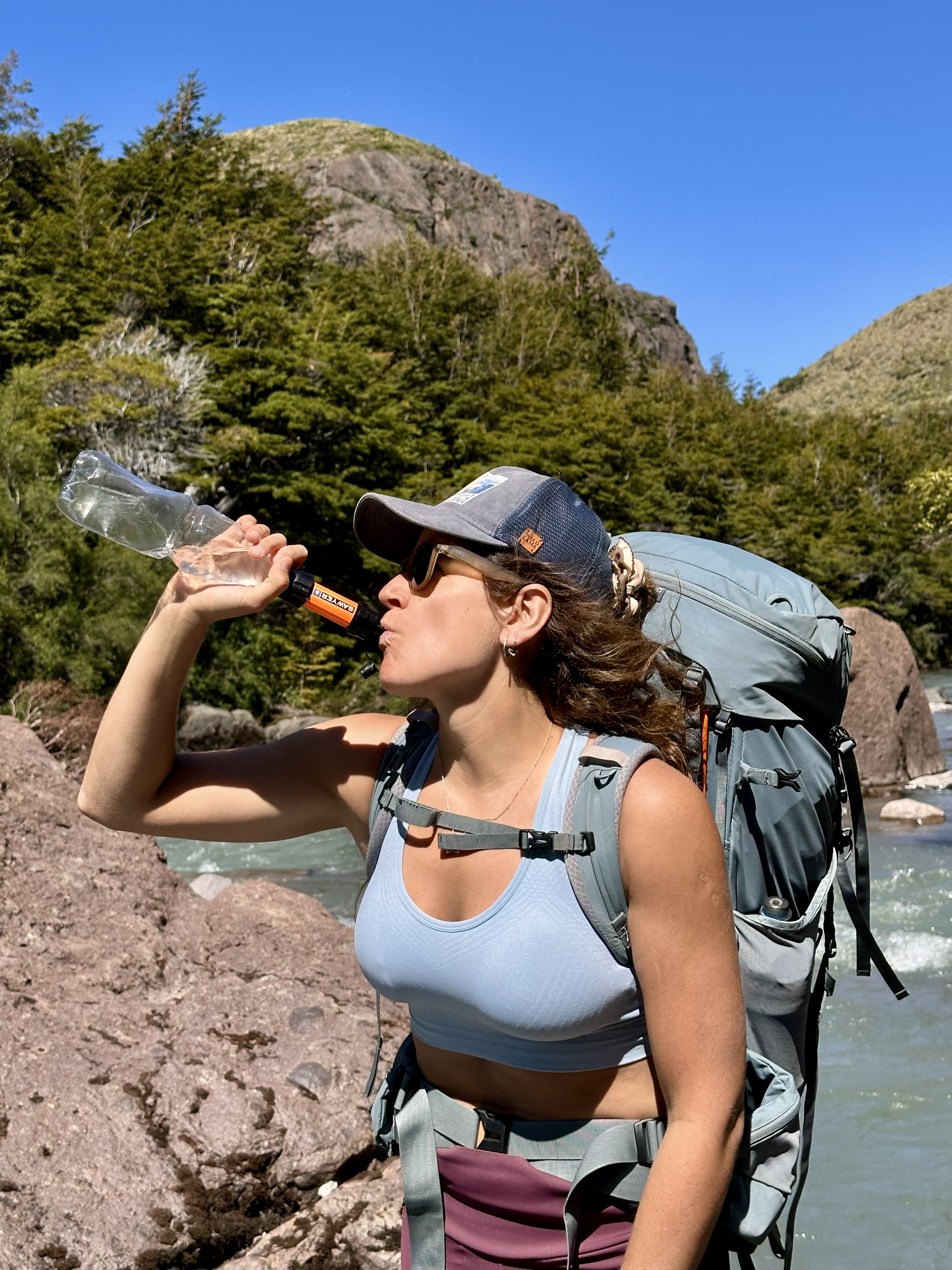
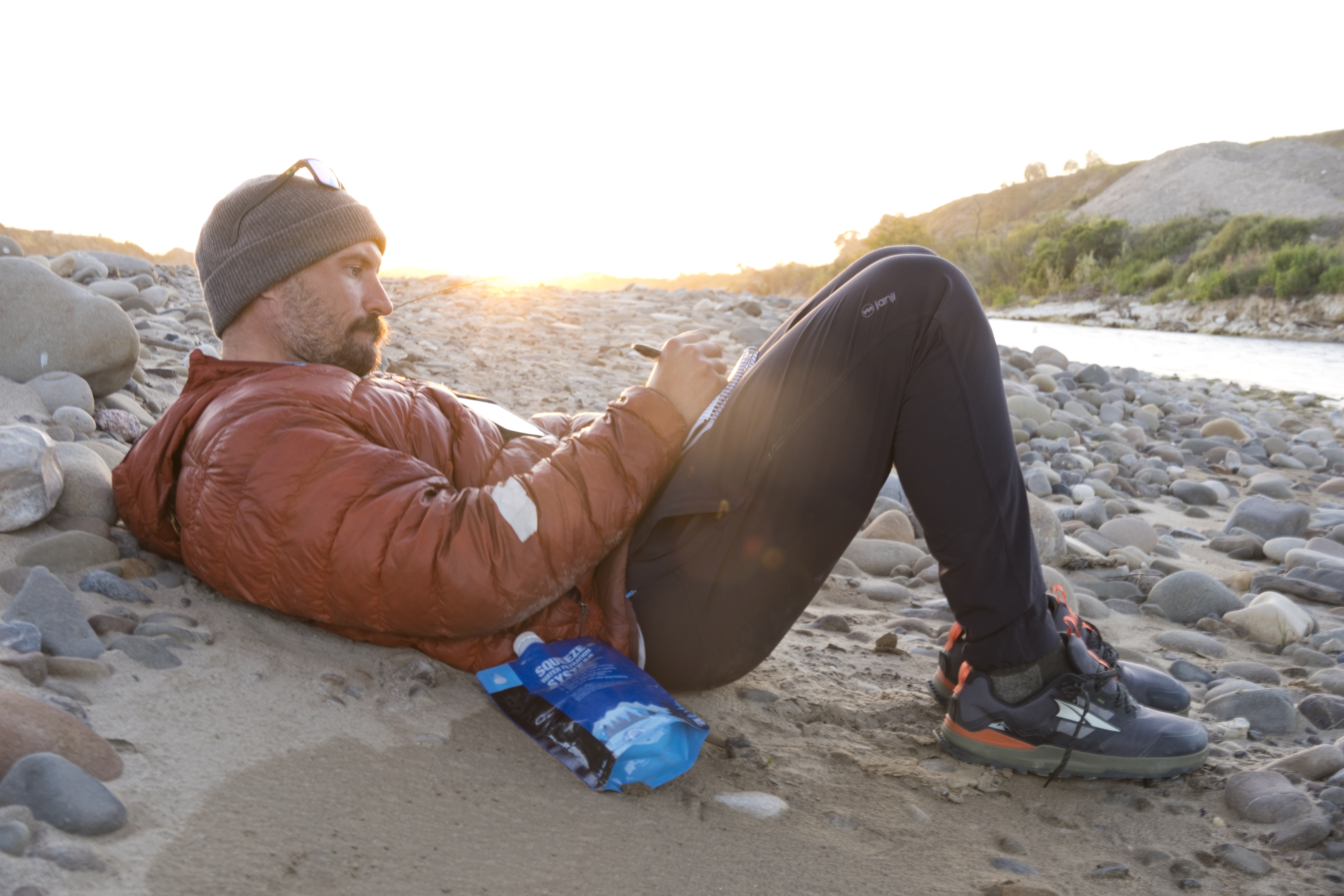
On long backcountry treks, you’ll want a hydration plan other than to lug around multiple gallons of water. When you encounter a freshwater source, such as a river or a lake, you have a few options to make that water potable: boil, filter or treat with tablets.
You’ll want to treat the water, no matter how clean it looks. It could have bacteria, viruses and parasites that can make you sick. Boiling the water for a full minute at a rolling boil should kill most of those nasty organisms. At elevations of 6,500 feet and above, boil for three minutes.
If you’re on the go, though, you can drop water treatment tablets into your bottle and wait a half-hour for clean water. Or you could filter your H2O — but what kind of filter should you use? There are straws, pumps, bags and bottles. Some contain chemicals or carbon to further treat the water. Many companies tout how small their filter pores are, using a measurement called microns. So, what is a micron?
Micron is short for micrometer, which is one-millionth of a meter. For those of us not too familiar with the metric system, especially the minuscule end of it, a micron equals .00003937 inches.
Explore Michael Freeman's complete article on microns & water filtration by heading here.


On long backcountry treks, you’ll want a hydration plan other than to lug around multiple gallons of water. When you encounter a freshwater source, such as a river or a lake, you have a few options to make that water potable: boil, filter or treat with tablets.
You’ll want to treat the water, no matter how clean it looks. It could have bacteria, viruses and parasites that can make you sick. Boiling the water for a full minute at a rolling boil should kill most of those nasty organisms. At elevations of 6,500 feet and above, boil for three minutes.
If you’re on the go, though, you can drop water treatment tablets into your bottle and wait a half-hour for clean water. Or you could filter your H2O — but what kind of filter should you use? There are straws, pumps, bags and bottles. Some contain chemicals or carbon to further treat the water. Many companies tout how small their filter pores are, using a measurement called microns. So, what is a micron?
Micron is short for micrometer, which is one-millionth of a meter. For those of us not too familiar with the metric system, especially the minuscule end of it, a micron equals .00003937 inches.
Explore Michael Freeman's complete article on microns & water filtration by heading here.
On long backcountry treks, you’ll want a hydration plan other than to lug around multiple gallons of water. When you encounter a freshwater source, such as a river or a lake, you have a few options to make that water potable: boil, filter or treat with tablets.
You’ll want to treat the water, no matter how clean it looks. It could have bacteria, viruses and parasites that can make you sick. Boiling the water for a full minute at a rolling boil should kill most of those nasty organisms. At elevations of 6,500 feet and above, boil for three minutes.
If you’re on the go, though, you can drop water treatment tablets into your bottle and wait a half-hour for clean water. Or you could filter your H2O — but what kind of filter should you use? There are straws, pumps, bags and bottles. Some contain chemicals or carbon to further treat the water. Many companies tout how small their filter pores are, using a measurement called microns. So, what is a micron?
Micron is short for micrometer, which is one-millionth of a meter. For those of us not too familiar with the metric system, especially the minuscule end of it, a micron equals .00003937 inches.
Explore Michael Freeman's complete article on microns & water filtration by heading here.
More Than an Outdoor Company.

